

Dominic Jainy is a seasoned IT professional whose expertise sits at the intersection of artificial intelligence, machine learning, and blockchain technology. With a career dedicated to understanding how these powerful tools can be harnessed to secure digital environments, he provides a unique perspective on the evolving landscape of identity management. In this conversation, we explore Google’s recent shift toward biometric account recovery, discussing the technical mechanics of the new selfie video feature, the growing vulnerabilities of traditional SMS-based authentication, and the critical balance between user privacy and robust cybersecurity defenses.
Our discussion centers on the transition from static credentials to adaptive identity verification. We delve into how motion-based validation serves as a deterrent against spoofing, the importance of maintaining user control over sensitive biometric data, and the potential for emerging AI threats like deepfakes to challenge even the most sophisticated recovery workflows.
How does the implementation of specific head movements during the selfie video setup change the security landscape for users who find themselves locked out of their accounts?
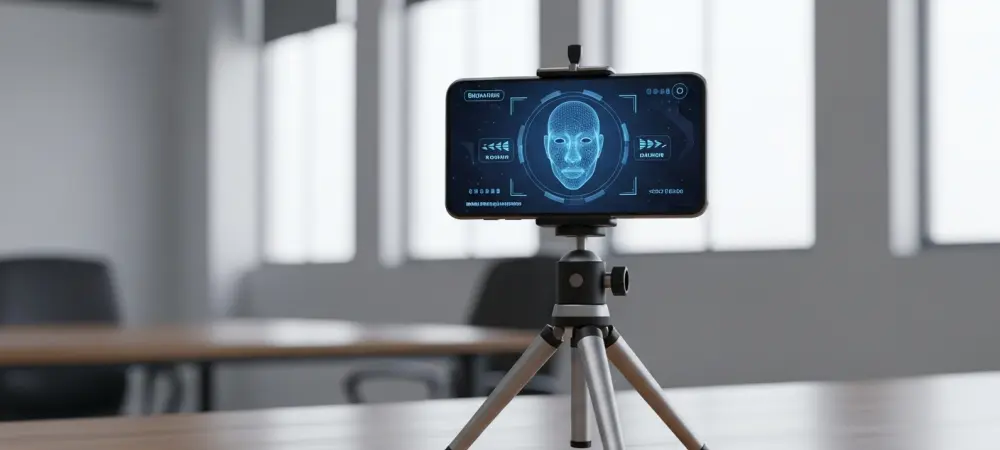
The setup process is designed to be a deliberate and interactive experience where the system guides the user to record a short video using specific head movements. By capturing multiple facial angles, the system creates a much more complex biometric reference than a simple, static 2D photograph ever could. When a user is locked out, they record a new video that the system compares against this stored version, ensuring a high-fidelity match before restoring access to sensitive data like emails and documents. You can almost feel the weight of the security layer as you move your head; it’s a physical confirmation that you are a living person and not a high-resolution printout. This motion-based validation is specifically engineered to reduce spoofing risks, making it significantly harder for an attacker to bypass the recovery gate with a flat image.
Why is Google moving toward biometric video recovery instead of sticking with traditional methods like SMS codes or secondary recovery emails?
Traditional recovery methods, particularly SMS-based authentication, have become increasingly vulnerable to modern threats like SIM swapping and sophisticated social engineering. When users lose access to their primary devices or recovery emails, they often face operational disruptions that can be devastating if the account contains highly sensitive personal media or business documents. By introducing the selfie video as an alternative recovery path, Google is attempting to bridge the gap when two-factor authentication or trusted devices are unavailable. It’s about creating a resilient, secondary layer that doesn’t rely on the telecommunications infrastructure, which attackers have learned to exploit so effectively. This shift acknowledges that the “weak link” in the security chain is often the recovery workflow itself, and adding a biometric layer helps mitigate those account takeover attacks.
With the collection of biometric data being a sensitive topic, how is user privacy and data control handled within this new verification framework?
Privacy is the cornerstone of this feature, and it is built to ensure that the user remains in the driver’s seat throughout the entire process. The video is only recorded and stored with the explicit consent of the user, meaning nothing happens behind the scenes without a clear, conscious action from the individual. Once the video is captured, the data is encrypted at rest, which provides a comforting level of protection against unauthorized access even when the data isn’t being actively used for a comparison. Users also retain the absolute right to delete their selfie video at any time, ensuring that they aren’t permanently tethered to a biometric file if they change their minds. This level of transparency and control is vital for building trust, as it transforms a potentially cold, technical requirement into a secure, user-centric tool.
As generative AI continues to evolve, how concerning is the threat of deepfake-based spoofing against this type of motion-based video authentication?
There is no doubt that security researchers are keeping a very close watch on the evolution of generative AI and its potential to create bypass techniques like deepfake-based spoofing. While the current system uses real-time interaction and specific head movements to prove “liveness,” the rapid advancement in AI-generated imagery means we must remain vigilant against replay attacks. The use of multiple facial angles is a strong defense today, but the cybersecurity landscape is a constant arms race where attackers target any new authentication layer. This is precisely why Google continues to recommend a layered defense strategy, encouraging the use of security keys and authenticator apps alongside the selfie video. It’s a sophisticated dance between convenience and caution, where we use the best tools available while preparing for the next generation of digital threats.
What is your forecast for the future of biometric recovery in the broader tech industry?
I believe we are entering an era where identity will be defined by “who you are” in a physical, real-time sense rather than just “what you know” or “what you have.” In the coming years, we will see a broader industry shift toward these adaptive, multi-factor systems that can detect the subtle nuances of human presence to prevent automated account takeovers. We will likely move away from the frustration of recovery codes and toward seamless biometric signatures that feel more natural and less like a technical hurdle. However, the ultimate success of this transition will depend on our ability to safeguard the massive biometric databases required to power these systems. My forecast is that while biometric recovery will become the standard, the focus will shift heavily toward “zero-knowledge” proofs where your identity can be verified without the service provider needing to store the actual raw video or image data indefinitely.