

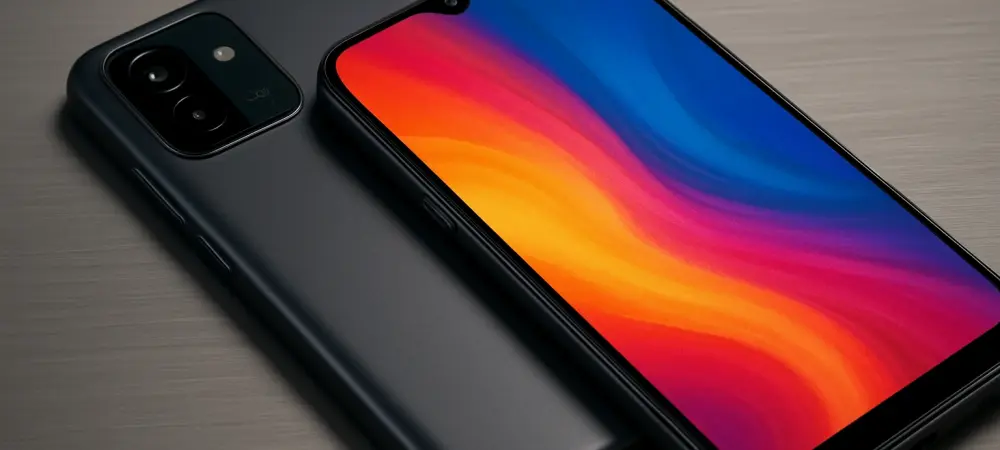
In the vibrant world of mobile technology, where high-end features often come with a hefty price tag, the emergence of budget-friendly smartphones like the Itel City 100 is challenging the status quo. These devices are bridging the gap between expensive gadgets and affordable alternatives while redefining what consumers can expect from a smartphone without burning a hole in their pockets. The Itel City 100’s introduction in India is a stellar example of this trend, combining essential features and modern functionalities at a cost that appeals to budget-conscious users.
The Itel City 100’s Affordable Innovation
The Itel City 100 stands out in the market primarily due to its affordability without compromising on key specs. With a launch price of Rs. 7,599, this smartphone offers a compelling mix of durability and functionality. Its robust build is complemented by an IP64 rating, ensuring resistance to dust and water, thus offering peace of mind to users whose lifestyles demand reliability. Equipped with a substantial 5,200mAh battery and 18W wired charging, the phone caters to those in need of long-lasting battery life and quick refueling capabilities.
A central aspect of modern devices is their camera capabilities, and the Itel City 100 does not disappoint in this regard. Featuring a 13-megapixel primary camera, this smartphone makes it easier for users to capture everyday moments with clarity. This focus aligns with consumer demand for quality photography on a budget. Beyond the hardware, the integration of the Aivana 3.0 AI assistant reflects a shift in the smartphone world toward incorporating smart features that enhance user experience, making technology intuitive and accessible.
User Experience and Advanced Features
The integration of AI capabilities within budget smartphones like the Itel City 100 marks a significant shift in consumer technology expectations. The Aivana 3.0 assistant offers practical features such as text extraction and an AI writing suite that streamlines tasks and adds convenience for users navigating their daily lives. Such features exemplify how artificial intelligence can be woven into budget devices to enhance functionality without demanding high costs.
Additionally, in a world where security is paramount, the Itel City 100 offers face unlock and a fingerprint sensor, enabling secure access and peace of mind. These features highlight how consumer needs drive innovations even in the most cost-effective devices, showing that affordability need not come at the expense of smart technology and security.
Building a Competitive Edge
As budget smartphones continue to carve out their place in the market, offering unique selling points becomes crucial. The Itel City 100 positions itself as a competitive player by providing not only essential features but also value-added incentives. The free magnetic speaker and screen replacement offer for 100 days enhance their offerings to appeal to consumers looking for more than just a phone. The choice between multiple colors—Fairy Purple, Navy Blue, and Pure Titanium—adds an element of personalization, which is an emerging trend among budget devices aiming to cater to diverse customer preferences. Looking toward the future, the ongoing developments in the budget smartphone sector suggest a growing trend where quality and affordability are not mutually exclusive. This trend aligns with the rising demand from various demographics such as students, small businesses, and emerging markets that seek technology solutions that are both effective and economical.
Conclusion: A Step into Tomorrow
The Itel City 100 showcases how budget smartphones are evolving into sophisticated gadgets capable of meeting modern demands. By balancing affordability with an impressive array of features, the device offers a glimpse into a future where cutting-edge technology is accessible to all. As the technology landscape continues to evolve, the potential for such devices to influence consumer habits and market dynamics becomes increasingly apparent. Companies like Itel are instrumental in this shift, creating a blueprint for producing affordable technology solutions that are both functional and innovative, addressing a global demand that bridges economic divides.