

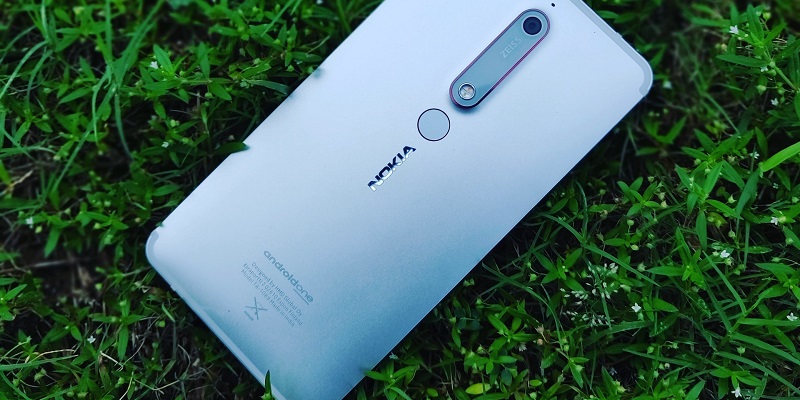
HMD Global, the official home of Nokia Phones, has launched two new devices for budget-conscious mobile users in the United States. The Nokia C10 and C30 are the latest offerings from the company that aim to provide essential features for everyday use at an affordable price.
Features and specifications of Nokia C110
The Nokia C110 is the more affordable option between the two, priced at only $99. It features a 6.3-inch LCD screen with HD+ resolution and a MediaTek Helio P22 chipset. With a 13-megapixel single camera on its back and an LED flash, the phone allows you to capture decent photos and videos on the go. For selfies, the phone has a 5-megapixel front-facing camera.
The phone comes with 3GB of RAM and 32GB of storage, which is expandable via the microSD slot. Running on Android 12 software, the device offers an intuitive and user-friendly experience. It also boasts a 3,000 mAh battery that can last you through the day with up to 5W charging.
The Nokia C110 has a polycarbonate frame and back, making it lightweight and durable. It also features an IP52 rating, which means it can withstand minor water splashes and dust. Additionally, the phone comes with the classic 3.5 mm headphone jack.
Nokia C300 Features and Specifications:
– QWERTY keyboard
– 2.4 inch display
– 2-megapixel camera
– Wi-Fi connectivity
– Bluetooth
– FM radio
– 55 MB internal storage, expandable up to 8 GB with microSD
– 1320mAh removable battery
– Standby time up to 800 hours
– Talk time up to 7 hours
– Available in three colors: Slate Grey, Golden White, and Hot Pink.
The Nokia C300 is the slightly more premium option with a price tag of $139. It features a 6.52-inch LCD with the same resolution as the C110, but with a more powerful Snapdragon 662 SoC. The device is suitable for everyday use and can handle multitasking and running apps smoothly.
In terms of the camera, the C300 packs a 13-megapixel main camera on its back with an LED flash. In addition, it also has a 2-megapixel depth sensor and a 2-megapixel macro camera, allowing you to capture more detailed photos and videos. On its front, the phone boasts an 8-megapixel camera for high-quality selfies.
Similar to the Nokia C110, the C300 also comes with 3GB of RAM and 32GB of storage, which can be expanded via the microSD slot. It runs on Android 12 software, ensuring a smooth and intuitive user experience. Additionally, it features a 4,000 mAh battery that can last you throughout the day, with 10W charging.
Furthermore, the Nokia C300 has a polycarbonate frame and back, an IP52 rating, and a headphone jack. It also comes in an attractive blue color, adding a touch of elegance and style to your device.
Availability
Both Nokia devices will be available later this month from carriers such as Consumer Cellular and Tracfone, as well as partnering retailers Walmart, Target, Best Buy, and Amazon. With these options, you can purchase the phone from the retailer of your choice and use it with your preferred carrier.
If you’re looking for a reliable and efficient phone that won’t break the bank, then the Nokia C110 and C300 can be a perfect fit. These devices are designed to provide essential features that cater to your everyday needs and come at an affordable price. They offer reliable performance, good battery life, and quality cameras, making them a practical choice for budget-conscious consumers.