

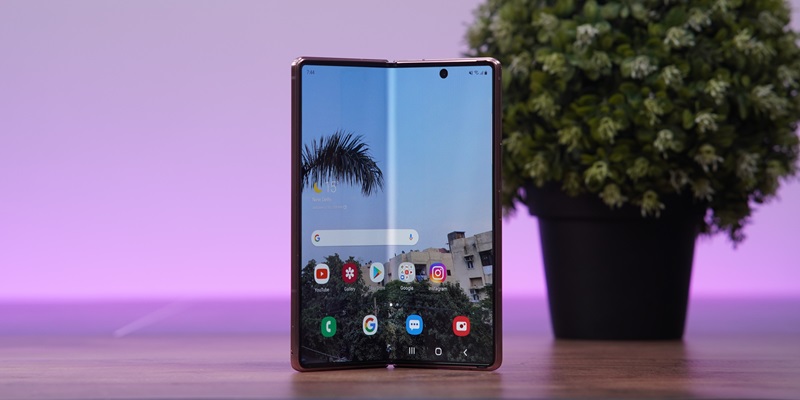
The Samsung Galaxy Z Fold 6 holds immense significance for Samsung as it aims to maintain its dominance in the competitive foldable smartphone market. With previous models already displaying impressive advancements, Samsung must continue making groundbreaking changes to ensure its foldables stay ahead of the competition. In this article, we explore the speculated features and improvements expected on the Galaxy Z Fold 6, examining its potential impact on the market and consumers.
New Form Factor for Samsung’s 2024 Foldable
Rumors have surfaced indicating that Samsung plans to introduce a new form factor with its 2024 foldable device. While specifics remain undisclosed, this development raises anticipation regarding the potential changes in design and functionality. If Samsung successfully introduces a fresh and innovative approach, it could revolutionize the foldable smartphone market and further cement its technological leadership.
Improved Display Panels for an Enhanced Viewing Experience
Apart from potential changes in form factor, Samsung is likely to incorporate brighter and more efficient display panels in their upcoming foldables, including the Galaxy Z Fold 6. A shift in aspect ratio could enhance the user experience and provide a more immersive viewing environment. Additionally, the utilization of improved display technology would ensure optimal performance and exceptional visual quality for consumers.
Integration of the Proven Hinge from the Galaxy Z Fold 5
While there have been no leaks regarding the Galaxy Z Fold 6’s hinge, it would be wise for Samsung to utilize the same improved hinge mechanism showcased in the Galaxy Z Fold 5. This innovative hinge design not only provides enhanced durability but also adds versatility, allowing users to position the device at various angles while providing stability for multitasking and productivity.
High-end Specifications and Hardware Expectations
In line with its flagship status, the Galaxy Z Fold 6 is anticipated to feature exceptional specifications and hardware components. This includes the potential integration of the Snapdragon 8 Gen 3 for Galaxy SoC, ensuring powerful and efficient performance. Coupled with 12GB or 16GB of RAM, superfast UFS 4.0 storage, and a sizable battery, users can expect top-notch multitasking capabilities, seamless app navigation, and prolonged battery life.
Software Features and Optimizations
The Galaxy Z Fold 6 is expected to be launched with One UI 6.1.1 based on Android 14, introducing a host of foldable-specific features and optimizations. Samsung has consistently refined its software to maximize the foldable experience, enabling users to take full advantage of the device’s unique capabilities. One can anticipate improved app continuity, enhanced multitasking, and optimized user interfaces that seamlessly adapt to the changing form factors.
Limited Camera Upgrade Rumours
Contrary to expectations, rumors suggest that the Galaxy Z Fold 6 may not receive a major camera upgrade. While the current camera system is already impressive, this revelation may disappoint photography enthusiasts looking for groundbreaking advancements. However, Samsung could compensate for this by enhancing software features to further augment camera performance and expand creative possibilities.
Advanced Launch Timeline for Samsung’s Foldable Lineup
Samsung has been progressively launching its foldable lineup earlier each year. By bringing forward the release date of the Galaxy Z Fold 6, Samsung can offer consumers the latest foldable technology earlier, gaining a competitive edge in the market. This streamlined timeline not only benefits consumers but also underscores Samsung’s commitment to innovation and agility.
Pricing expectations for the Galaxy Z Fold 6
In terms of pricing, the Galaxy Z Fold 6 is unlikely to deviate significantly from its predecessor, the Galaxy Z Fold 5. As foldable technology becomes more commonplace, Samsung aims to strike a balance between offering cutting-edge features and maintaining an accessible price point. This strategy ensures that the Galaxy Z Fold 6 remains an attractive proposition for tech enthusiasts and early adopters alike.
The Samsung Galaxy Z Fold 6 represents a crucial milestone in the evolution of foldable smartphones. As Samsung seeks to solidify its lead in terms of innovation and user experience, the Galaxy Z Fold 6 must deliver on the promising advancements we have discussed. By introducing a new form factor, incorporating improved display panels, employing an enhanced hinge system, and offering top-of-the-line specifications, Samsung can continue to captivate consumers and shape the future of the foldable segment. With the right balance of hardware, software, and competitive pricing, the Galaxy Z Fold 6 has the potential to assert Samsung’s position as the frontrunner in foldable technology.