

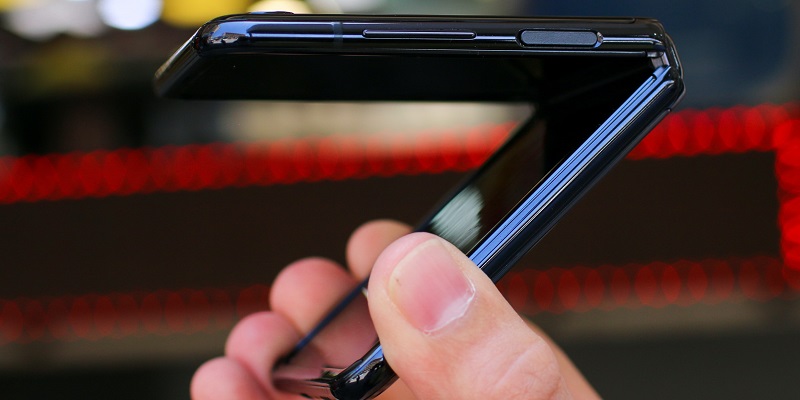
In a world dominated by sleek smartphones with touchscreens, the appeal of a flip phone still remains strong. After making waves with its foldable phone earlier this year, Tecno is back with the Phantom V Flip 5G, a game-changer in the flip phone market. Priced at just $600, it is currently the most affordable flip phone option available. Let’s delve into the standout features, flagship specifications, and any compromises you might have to make for this pocket-friendly device.
Standout features of the V Flip 5G
What sets the Phantom V Flip 5G apart is its striking circular cover display. This visually pleasing element not only adds a touch of elegance but also serves practical purposes. The cover display can be transformed into an always-on display, allowing you to check notifications and the time with ease. Furthermore, Tecno claims that the cover screen can be used to display widgets, adding another layer of functionality to this compact phone.
Flagship features and compromises
While the Phantom V Flip 5G boasts some flagship features, it’s essential to understand the compromises you might need to make at its reduced price point. Compared to its pricier competitors, certain aspects of the device may not be as advanced. However, the value it provides makes it an attractive option for those seeking a budget-friendly flip phone.
Differences from competitors
When comparing the Phantom V Flip 5G to other flip phones on the market, several differences become evident. Notably, the processor, camera setup, cover screen design, and IP rating set it apart from its rivals. These distinctions may influence your decision depending on your specific needs and preferences.
Camera specifications
The camera setup on the Phantom V Flip 5G stands out with its 64-megapixel main camera. However, it lacks a second ultrawide camera, a feature found in many rival models. While the absence of an ultrawide lens may limit your photography options, the impressive resolution of the main camera ensures that you capture detailed photos.
Processor comparison
In terms of processing power, the Phantom V Flip 5G features the MediaTek 8050 processor. Although this processor may not be as advanced as the Snapdragon 7 Gen 1 used in the Razr 2023 or the Snapdragon 8 Gen 2 found in the Galaxy Z Flip 5, it still delivers smooth performance for everyday tasks and usage.
Lack of an official IP rating
One aspect that sets the Phantom V Flip 5G apart from competitors is the absence of an official IP rating for water and dust resistance. While the device may withstand light splashes and occasional exposure to dust, it is essential to exercise caution when using it in challenging conditions.
In the world of flip phones, the Phantom V Flip 5G stands out as a competitively priced option packed with standout features and flagship specifications. With its visually striking circular cover display and the ability to transform into an always-on display, it offers both style and functionality. While it may require some compromises compared to its pricier counterparts, it is undoubtedly a compelling choice for those considering a pocket-friendly flip phone option.