

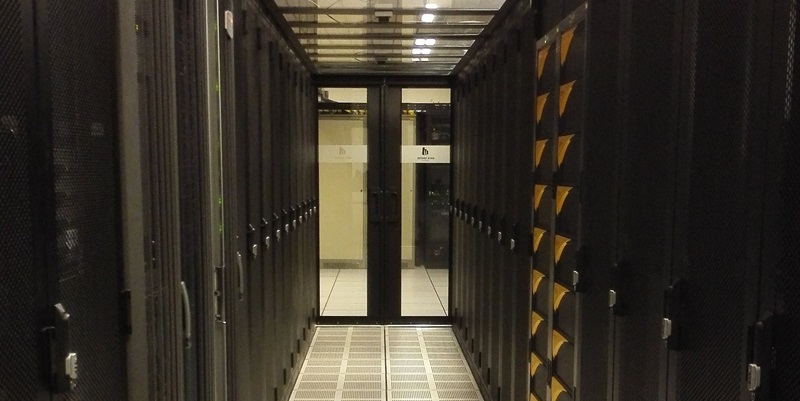
Brazilian telecommunications company TIM is making significant strides in its plan to exit its data centers by the end of this year. With the aim of improving efficiency and scalability, the company has been steadily migrating its workloads to the cloud. As of August, approximately 85 percent of the workloads intended for the cloud had been successfully moved. The completion of the OCS move on September 15, 2023, marked a crucial milestone in TIM’s cloud migration journey.
Status of Cloud Migration
The progress of TIM’s cloud migration has been noteworthy. By August, the company had successfully moved around 85 percent of the workloads to the cloud. This substantial achievement demonstrates the dedication and efficiency of TIM’s migration team. Furthermore, the completion of the OCS move on September 15, 2023, represents a significant step forward in transitioning TIM’s operations to the cloud. The OCS move is one of the most crucial elements of TIM’s functions, making its completion a vital milestone for the company.
Data Center Migration Details
TIM has set its sights on moving two data centers to the cloud: its facilities in Santo André and Rio de Janeiro. Each data center has its specific hosting plans to ensure optimal performance and functionality. The analytics technologies will be hosted on the reliable and secure Google Cloud Platform. Meanwhile, TIM’s databases and back-end processes will find a home on Oracle’s robust infrastructure. Finally, the digital channels and front-end applications will be hosted on Microsoft’s Azure platform. By strategically utilizing different cloud providers for various functions, TIM aims to maximize efficiency and leverage the unique strengths of each platform.
Background and Timeline
TIM initially announced its cloud migration project back in 2020, signaling its commitment to modernization and digital transformation. Since then, the company has diligently worked to execute its migration plan. The completion of the OCS move on September 15, 2023, represents a significant milestone in the overall timeline of TIM’s cloud migration journey. With this successful move, TIM is well on track to exit its data centers by the planned end date.
Benefits of Cloud Migration
The cloud migration has already begun to yield tangible benefits for TIM. By leveraging cloud resources, the company has gained the ability to launch new services more quickly and efficiently than before. Traditional infrastructure limitations have been overcome, leading to increased agility and innovation within the organization. TIM has also embarked on testing new applications, including generative AI, to explore additional ways to enhance its service offerings and customer experiences. Cloud migration has undoubtedly opened doors for TIM to explore new realms of possibilities and stay at the forefront of the telecom industry.
TIM’s cloud migration project is progressing at an impressive pace. With a significant percentage of workloads already moved to the cloud and the completion of the OCS move, TIM is on track to exit its data centers by the end of this year. By strategically utilizing different cloud platforms for specific functions, TIM is optimizing its operations and enhancing efficiency. The successful migration enables the company to launch new services quickly, setting the stage for continued growth and innovation. As TIM continues to explore new applications, such as generative AI, the company is poised to remain a leader in the telecom space. It all started in 2004 when TIM established its data center in Santo André as part of a visionary “technological hub” project that has set the stage for the company’s digital transformation journey. With the forthcoming exit from data centers, TIM is embracing the boundless opportunities of the cloud era.