

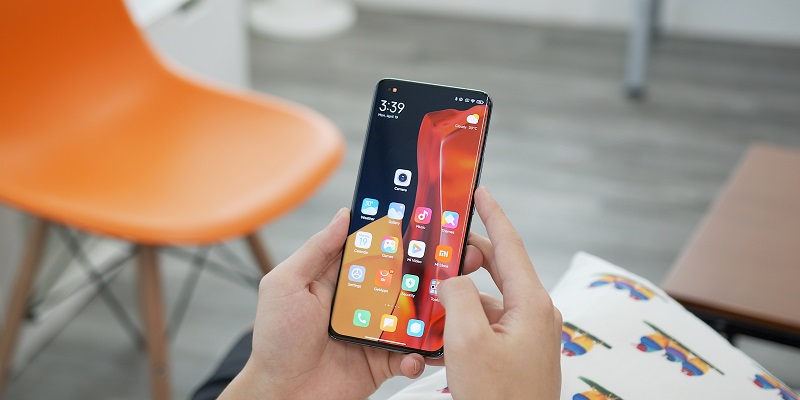
Ever since rumors surfaced months ago about Xiaomi’s plan to surpass Apple’s record for thin display edges on the iPhone 15 Pro with the Xiaomi 14 Pro, tech enthusiasts have been eagerly awaiting concrete information on this much-anticipated device. Fortunately, a reputable leaker has not only provided specific details on the display specs but also hinted at a comprehensive display upgrade compared to its predecessor, the Xiaomi 13 Pro. However, it is important to approach these leaks with caution, as official evidence from Xiaomi is yet to be released.
Display Design Revolution
Xiaomi aims to push the boundaries of display design with the Xiaomi 14 Pro. According to the leak, the manufacturer plans to reduce the bezels to an astoundingly slim 1mm on either side of the display, maximizing the usable display area. This represents a significant improvement over previous models, providing users with a truly immersive viewing experience.
Impressive Brightness Capability
One of the leaked specifications that has generated buzz is the record-breaking maximum brightness of 3,000 nits. If confirmed, Xiaomi would hold the title as a potential record-breaker in terms of brightness. Nevertheless, until official sources confirm this information, skepticism should be maintained.
Switching Display Suppliers for Enhanced Performance
In a move that marks a significant departure from previous models, Xiaomi has opted to source the latest AMOLED material from TCL CSOT instead of relying on Samsung displays. This decision underscores Xiaomi’s commitment to delivering enhanced display quality and performance with the Xiaomi 14 series.
Display Specifications
The Xiaomi 14 Pro is rumored to feature a 6.7-inch micro quad-curved display with QHD resolution. This means users can expect a sharp and vibrant visual experience. Additionally, the presence of the LTPO (Low-Temperature Polycrystalline Oxide) backplane ensures power efficiency and enables a wide dynamic refresh range of 1 to 120 Hz. These combined features promise buttery-smooth scrolling and improved gaming experiences.
Enhanced Display Features
The leaked information also mentions key display features, including support for HDR10+ and Dolby Vision. These technologies enhance color accuracy, contrast, and dynamic range, delivering more lifelike visuals. Moreover, the Xiaomi 14 Pro is rumored to incorporate Pro Color Tuning, further refining the colors displayed on the screen for a more immersive and accurate viewing experience.
Camera Upgrades
While the Xiaomi 13 Pro was equipped with a remarkable 1-inch sensor, the Xiaomi 14 Pro is reported to come with upgraded Leica cameras. Although this may seem like a downgrade on paper, Xiaomi has incorporated compensatory upgrades. These include a 4-stop variable aperture, allowing for better low-light photography, and a superior macro telephoto camera. These improvements ensure that Xiaomi retains its reputation for delivering excellent camera capabilities.
The Xiaomi 14 Pro promises a revolutionary display upgrade that surpasses Apple’s record for thin display edges. With its incredibly slim bezels and expanded usable display area, Xiaomi is poised to offer users a truly immersive and visually stunning experience. While the leaked information is exciting, it is crucial to await official confirmation from Xiaomi. Nevertheless, the potential switch to TCL CSOT’s AMOLED material, the impressive display specifications, and enhanced features such as HDR10+ and Dolby Vision indicate that the Xiaomi 14 Pro will likely impress consumers. As we eagerly await its official release, Xiaomi fans can anticipate a new era of smartphone display technology.