

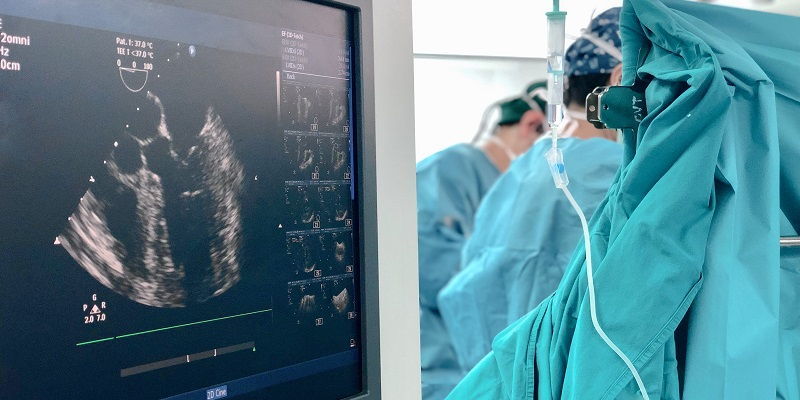
In a significant stride towards advancing healthcare technology, Blackford, a prominent medical imaging platform, has joined forces with Ligence Medical AI Solutions to make Ligence Heart available on the Blackford Platform. This partnership marks a crucial step in enhancing the efficiency and accuracy of echocardiography analysis through the power of artificial intelligence (AI) technology.
Ligence Heart: A Game-Changing Web-Based Echocardiography Analysis Suite
Ligence Heart is a cutting-edge web-based echocardiography analysis suite that empowers clinicians to perform detailed automatic analysis of echocardiographic images. By leveraging the capabilities of AI, this innovative solution mimics the steps performed by experienced cardiologists and sonographers. From image acquisition to measurements, Ligence Heart guides clinicians through every stage of analysis, resulting in significant time savings for each procedure.
Time-Saving Benefits of Language Learning
One of the standout features of Ligence Heart is its ability to dramatically improve everyday workflow, reducing study evaluation time for certain measurements by at least 30%. With the burden of manual analysis lifted, clinicians can redirect their focus toward patient care and more critical tasks. Additionally, Ligence Heart proves to be an ideal solution for retrospectively analyzing large cohorts, ensuring faster and more efficient data evaluation.
Fully Automated Morphometric Measurements for Enhanced Accuracy
Ligence Heart sets itself apart by offering fully automated morphometric measurements, which elevate the precision and consistency of echocardiography analysis. By automating these measurements, potential human errors are minimized, leading to more accurate diagnoses and treatment plans. Clinicians can now have greater confidence in the obtained results, as Ligence Heart leaves little room for the inaccuracies that can occur with manual measurements.
Clinician’s Role in AI Analysis: Collaboration for Optimal Accuracy
While Ligence Heart handles the majority of the analysis process, it is important to emphasize the crucial role of clinicians in the AI-driven analysis. The tool enables clinicians to effortlessly approve or adjust the AI analysis as needed, ensuring that medical expertise and human judgment are still an integral part of the diagnostic process. This collaboration between clinicians and AI technology strikes a harmonious balance, paving the way for optimal accuracy and improved patient outcomes.
Blackford’s commitment to driving value in healthcare
Blackford has always been at the forefront of delivering AI applications that broaden clinical and operational use cases, ultimately driving additional value for healthcare organizations. The collaboration with Ligence expands Blackford’s cardiology portfolio, providing healthcare professionals with a comprehensive suite of AI-powered tools to streamline and enhance their practices.
The partnership between Blackford and Ligence paves the way for revolutionary advancements in echocardiography analysis. By bringing Ligence Heart to the Blackford Platform, clinicians can harness the power of AI to achieve faster, more accurate results, improving patient care and outcomes. With Ligence Heart’s ability to save time, offer fully automated morphometric measurements, and facilitate collaboration between clinicians and AI technology, the future of echocardiography analysis is now within reach. Together, Blackford and Ligence are setting new standards in healthcare, ensuring a more efficient, precise, and advanced approach to cardiology diagnostics.