

Dominic Jainy is a seasoned IT professional whose career has been defined by a relentless pursuit of operational clarity through artificial intelligence and advanced logistics technology. With a deep background in machine learning and blockchain, he has spent years dissecting how data moves through physical spaces, specifically within the complex ecosystems of modern warehouses. His perspective is rooted in the belief that a warehouse is only as efficient as the information available to the person standing in the aisle. By focusing on the intersection of human action and digital precision, Dominic has helped organizations move away from archaic manual processes toward real-time, data-driven environments. In this conversation, we explore the transformative power of granular inventory visibility and how specific tools within Microsoft Dynamics 365 Business Central are redefining the roles of pickers, supervisors, and forklift operators alike.
The following discussion explores the critical themes of real-time inventory verification, the strategic importance of lot and serial number granularity, and the logistical advantages of license plate tracking. We delve into how decentralized information—moving data from a supervisor’s desktop directly to a handheld device—eliminates the “guesswork” that often plagues high-density storage facilities. Dominic explains the technical safeguards that ensure workflow continuity even when physical labels fail and highlights how historical transaction data can be used to resolve discrepancies on the spot. This dialogue serves as a deep dive into the practical application of the Bin Content Inquiry tool, illustrating its role as a floor-level decision support system that drives accuracy and efficiency in every corner of the warehouse.
How does the ability to scan a bin and see everything from quantities to serial numbers change the daily experience for a warehouse worker?
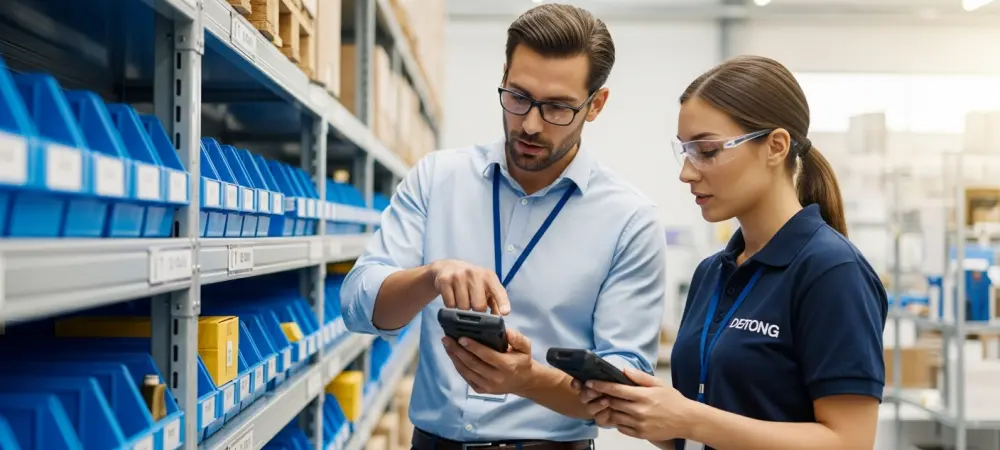
When a worker is standing in front of a high-density racking system, the psychological weight of “getting it right” is immense. Traditionally, if there was a discrepancy, that worker would have to stop what they were doing, walk across the warehouse floor to a fixed desktop terminal, or hunt down a supervisor to check the system. By putting the Bin Content application directly in their hands, we replace that frustration with a single, satisfying beep of the scanner. One scan immediately reveals the item number, description, variant, and quantity on hand, while lines with a quantity of 0 are automatically filtered out to prevent any confusion. This immediate access to Business Central data means no more guesswork and no more wasted steps, allowing a picker to verify stock in real-time and maintain their momentum without ever leaving the aisle.
Why is the lot and serial number grouping feature considered a game-changer for operations that handle tracked inventory?
In many environments, knowing you have 200 units of an item in a bin is only half the battle; the real complexity lies in knowing how those units are divided. For example, knowing those 200 units are split across three distinct lot numbers is what allows a worker to ensure FIFO compliance or manage a quality hold effectively. By configuring the Bin Contents Inquiry Mode in Business Central to group by lot or serial number, the handheld device transforms from a simple counter into a sophisticated tracking tool. Each specific tracked quantity appears as its own line, giving the worker the granular visibility needed to make high-stakes decisions on the spot. This level of detail is essential for industries like pharmaceuticals or food logistics where specific lot identification is a matter of regulatory necessity rather than just organizational preference.
Can you describe how the integration of license plates into the bin inquiry view streamlines the movement of bulk goods?
License plating is all about moving more with less effort, but it only works if you can see what is inside the “plate” without breaking it down. For a forklift operator, being able to access the License Plates menu and see every pallet currently stored in a bin is a massive efficiency boost. They can select any specific plate and drill down into its full contents, seeing every item and its corresponding quantity right there on the screen. This allows the operator to execute a pallet move with total confidence, knowing exactly what is being transported without the need for manual counting or unpacking. It turns a blind move into a transparent, verified transaction, which is particularly vital during rapid put-away or replenishment cycles.
What happens to the workflow when a physical bin label is damaged or missing, and how does the system prevent a total stop in productivity?
The warehouse floor is a rugged environment where barcodes can easily become scratched, torn, or covered in grime, but the digital workflow shouldn’t suffer because of a piece of paper. If a label is unreadable, the worker can simply use the manual entry fallback by selecting the “Enter Bin” option on their device to type in the code. Furthermore, if the label is permanently damaged, the worker has the power to print a replacement label directly from the Bin Content application to any configured printer. This means they don’t have to wait for a supervisor or a maintenance team to fix the issue; they resolve the physical problem while standing at the bin. It’s a self-healing process that keeps the inquiry workflow uninterrupted, ensuring that the physical and digital worlds stay in perfect sync.
How does having access to recent warehouse transaction history directly on the handheld device empower a supervisor during a floor walk?
A supervisor’s time is best spent on the floor, but they often find themselves tethered to a desk because that’s where the historical data lives. The Warehouse Entries menu option changes that dynamic by providing a summary of recent activity for a specific bin right on the mobile device. During a pre-count check or a floor walk, a supervisor can see exactly what has moved in and out, filtered specifically to the record they are looking at. If they notice a physical discrepancy, they can review the transaction history to see if a recent move explains the difference before committing to a full cycle count. This capability to perform a targeted, informed audit on the fly is a sophisticated way to flag and resolve issues before they escalate into systemic inventory errors.
In what ways does embedding the bin inquiry tool within active documents like picks and put-aways improve overall accuracy?
Accuracy is often lost during transitions between tasks, so keeping the inquiry tool accessible as a shortcut within active pick, movement, and count documents is a strategic necessity. A picker might arrive at a bin and realize the layout has changed or that a similar-looking item is in the same location. Instead of exiting their active task to find answers, they can open the Bin Inquiry shortcut, verify the bin’s contents, and then return immediately to their document. This “in-context” information allows for rapid multi-bin checks during a floor walk or while preparing for a count, ensuring the worker is always acting on the most current data. It effectively weaves verification into the fabric of the daily workflow rather than making it a separate, burdensome chore.
What is your forecast for the future of warehouse management systems?
I believe we are moving toward a “transparent warehouse” where the latency between a physical movement and its digital record drops to effectively zero. In the coming years, we will see these handheld inquiry tools evolve into augmented reality interfaces where a worker can simply look at a bin and see the quantities and lot numbers overlaid on their field of vision. The shift toward license plating and granular lot tracking is just the beginning; the ultimate goal is a system that predicts discrepancies before they happen by analyzing the flow of transaction history. As we integrate more AI-driven insights into these mobile tools, the role of the warehouse worker will transition from manual execution to real-time data management, where every scan is a contribution to a massive, self-optimizing logistical engine.