

Introduction
In an era where healthcare delivery is increasingly shifting to digital platforms, big data stands as a transformative force, reshaping telehealth and remote diagnostics in profound ways that promise to redefine patient care. Consider the staggering volume of health information generated daily—billions of data points from wearable devices, electronic health records, and patient feedback systems—that, when analyzed, can predict health crises before they occur. This immense potential to improve patient outcomes and streamline medical processes underscores the critical importance of big data in modern healthcare. The purpose of this FAQ article is to address common questions surrounding this topic, offering clear insights into how vast datasets are driving innovation in virtual care. Readers can expect to explore key concepts, practical applications, and challenges, gaining a comprehensive understanding of this technological evolution.
The scope of this discussion spans clinical advancements, administrative efficiencies, and patient engagement strategies enabled by data analytics. By breaking down complex ideas into accessible answers, the aim is to provide guidance for healthcare providers, administrators, and patients curious about the intersection of big data and telehealth. Each section focuses on a specific aspect, ensuring a well-rounded perspective on why this revolution matters in today’s healthcare landscape.
Key Questions or Topics
How Does Big Data Enhance Remote Diagnostics?
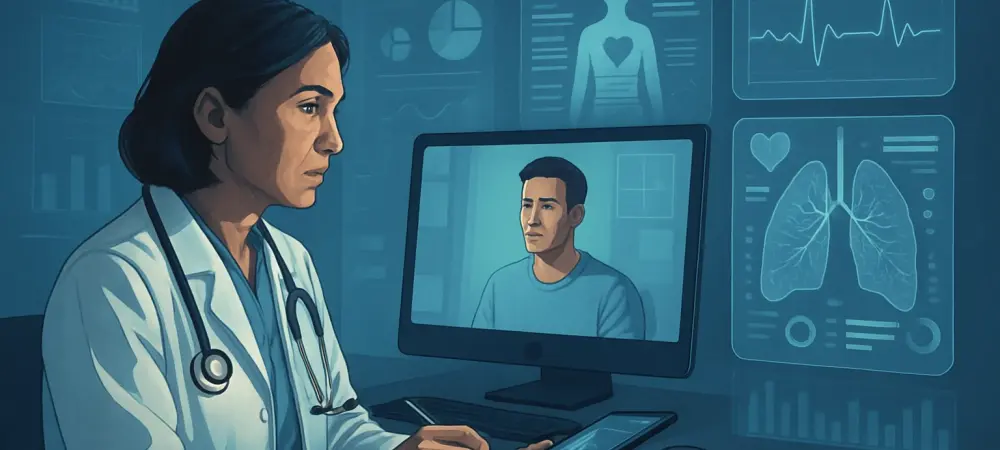
Remote diagnostics, a cornerstone of telehealth, relies on the ability to assess patient health without physical interaction, and big data plays a pivotal role in making this possible. The challenge lies in interpreting diverse data streams—vital signs from wearables, imaging results, and historical medical records—without the benefit of in-person observation. Big data analytics addresses this by processing massive datasets to identify patterns and anomalies that might indicate health issues, enabling timely interventions.
Through advanced algorithms, subtle changes in a patient’s condition, such as irregular heart rhythms or declining lung function in chronic illnesses, can be detected early. For example, analytics can compare an individual’s metrics against population norms to flag potential risks, allowing clinicians to act swiftly. This capability transforms telehealth into a proactive rather than reactive system, significantly improving patient care in virtual settings. Studies have shown that data-driven diagnostic tools can reduce emergency visits by identifying problems before they escalate. The integration of real-time monitoring with predictive analytics ensures that healthcare providers have actionable insights at their fingertips, bridging the gap created by physical distance. This precision is especially vital for managing chronic conditions remotely, where continuous oversight is essential.
What Role Does Big Data Play in Streamlining Administrative Processes in Telehealth?
Administrative tasks in telehealth, such as billing and compliance, often present significant hurdles due to complex regulations and the risk of errors. Big data offers solutions by automating repetitive processes and providing clarity through detailed analytics. The importance of this lies in reducing the burden on providers, allowing more focus on patient care rather than paperwork. Tools powered by large datasets can track claim turnaround times, identify frequent denial causes, and ensure adherence to payer rules. For instance, in mental health billing, where time-based codes and documentation requirements are intricate, automated systems can flag discrepancies before submission, minimizing financial losses. This efficiency supports the sustainability of telehealth practices, particularly for smaller providers with limited resources.
Beyond billing, big data aids in maintaining regulatory compliance by monitoring documentation and alerting administrators to potential issues. The ability to analyze trends in administrative performance also helps optimize revenue cycles, ensuring that telehealth services remain viable. Such advancements demonstrate how data analytics extends beyond clinical care to bolster the operational backbone of virtual healthcare.
How Does Big Data Support Personalized Care and Patient Engagement?
Personalized care is a growing priority in healthcare, and big data facilitates this by enabling tailored treatment plans and improved patient engagement in telehealth environments. The context for this lies in the need to address individual patient needs, especially for chronic conditions where standard approaches may fall short. Analyzing vast amounts of personal health information helps achieve this customization. By examining behavioral data, appointment adherence, and self-reported outcomes, providers can design targeted interventions, such as customized reminders or educational content. This approach has proven effective in enhancing medication compliance among patients with conditions like diabetes or depression, where consistent follow-through is crucial. Personalized communication fosters a stronger connection between patients and providers, even in virtual settings.
At a systemic level, aggregated data reveals trends in patient satisfaction and readmission rates, guiding health organizations to refine their strategies. This dual focus—individual customization and broader population insights—ensures that telehealth evolves into a more patient-centered model. The impact of such data-driven engagement is evident in improved health outcomes and reduced costs for both patients and systems.
Why Is Big Data Essential for Credentialing and Provider Management in Telehealth?
As telehealth networks expand across regions, credentialing providers—verifying their qualifications and licenses—becomes increasingly complex, particularly with varying state regulations. Big data simplifies this critical process by automating verification tasks and ensuring compliance with legal standards. The significance of this lies in maintaining patient safety and trust in virtual care platforms. Data systems can track license expirations, benchmark provider credentials against national databases, and integrate with electronic health record platforms to ensure seamless operations. This is especially relevant for mental health providers, where specialized licensure requirements add layers of complexity. Automated credentialing reduces delays, allowing organizations to scale their services efficiently.
Moreover, maintaining accurate provider data through analytics helps telehealth platforms avoid legal risks and ensures that only qualified professionals deliver care. The ability to manage large-scale provider networks with precision is a testament to how big data supports the structural integrity of remote healthcare delivery. This efficiency is indispensable for organizations aiming to expand their reach responsibly.
What Challenges Does Big Data Face in Telehealth, and What Are Future Considerations?
Despite its transformative potential, big data in telehealth encounters several obstacles that must be addressed to ensure its effectiveness. Key among these are data security, interoperability between systems, and the risk of information overload for providers. Understanding these challenges is essential to maximizing the benefits of analytics in remote care. Protecting patient information under regulations like HIPAA remains a top concern, as breaches can undermine trust in telehealth platforms. Additionally, the lack of standardized systems often hinders data sharing across providers, limiting the scope of insights. Providers also struggle with interpreting vast datasets without adequate training or tools, which can reduce the practical value of collected information. Looking ahead, advancements in artificial intelligence hold promise for overcoming these barriers by automating diagnostics and refining data presentation. Developing robust security protocols and standardized platforms will be critical to addressing current limitations. Continuous investment in training and technology is necessary to ensure that big data fulfills its potential in shaping a more precise and accessible telehealth landscape.
Summary or Recap
Big data stands as a cornerstone of telehealth and remote diagnostics, driving significant advancements across multiple dimensions. From enhancing diagnostic accuracy through predictive analytics to streamlining administrative tasks like billing and credentialing, its impact is far-reaching. Personalized care, supported by detailed patient data, improves engagement and outcomes, while automated systems ensure provider management aligns with regulatory demands. The challenges of data security, system interoperability, and provider readiness remain critical areas of focus. Yet, the overarching takeaway is that big data transforms raw information into actionable intelligence, benefiting clinicians, administrators, and patients alike. For those seeking deeper exploration, resources on healthcare analytics and telehealth platforms offer valuable insights into ongoing developments and best practices.
Conclusion or Final Thoughts
Reflecting on the transformative journey of big data in telehealth, it becomes evident that its integration has reshaped the accessibility and quality of remote healthcare delivery. The strides made in diagnostics, administrative efficiency, and patient engagement highlight a shift toward a more responsive medical ecosystem. Each answered question underscores the profound influence of analytics in overcoming traditional barriers of distance and resource constraints. Moving forward, stakeholders are encouraged to prioritize investments in secure, interoperable systems to address lingering challenges. Exploring integrated platforms that unify clinical and administrative data could serve as a practical next step for providers aiming to enhance their telehealth offerings. Considering how these innovations apply to specific healthcare settings or patient needs opens pathways for meaningful action and sustained improvement in virtual care.