

Short introductionToday, we’re sitting down with Dominic Jainy, a seasoned IT professional with deep expertise in artificial intelligence, machine learning, and blockchain. With his extensive background in cutting-edge technology and cybersecurity, Dominic is the perfect person to help us unpack a pressing issue: a new security threat targeting Facebook users. In this conversation, we’ll dive into the details of this alarming scam involving fake account suspension warnings, explore the dangers of the StealC v2 malware, and discuss practical ways to stay safe online. Let’s get started.
Can you break down what this new Facebook security warning is all about?
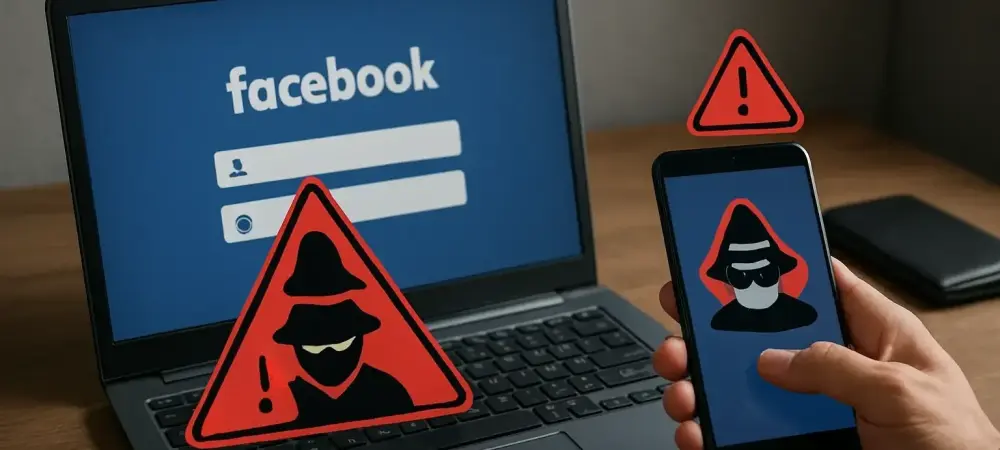
Absolutely. There’s a malicious campaign circulating right now where users receive a fake message claiming their Facebook account has been blocked or will be suspended within a week. It’s designed to look like an official notification from Facebook, complete with an “Appeal” button that seems like a legitimate way to resolve the issue. In reality, it’s a trap set by cybercriminals to lure users into clicking and exposing their devices to harm.
What exactly does this fake message look like, and how does it convince users to click that “Appeal” button?
The message is crafted to mimic Facebook’s branding and tone, often stating something urgent like “Your account has been blocked” or “Suspension in 7 days.” It plays on fear and urgency, making users think they’re about to lose access to their account. The “Appeal” button is presented as the quick fix, a way to contest the suspension. Most people don’t stop to question it when they’re worried about losing their social media presence, and that’s exactly what the scammers count on.
What happens if someone falls for it and clicks on that “Appeal” button?
Clicking the button takes you to a fraudulent support page that looks deceptively real. From there, the user is prompted to download what’s disguised as an “appeal script” or some kind of fix. Instead, it’s malware—specifically StealC v2—that gets installed on their device. Once it’s in, the damage starts almost immediately.
Can you explain what StealC v2 malware does once it’s on a user’s device?
StealC v2 is a nasty piece of software designed to harvest sensitive data. It can steal passwords, browser cookies, cryptocurrency wallet information, and even take screenshots of what’s on your screen. Essentially, it gives hackers a backdoor to your digital life, allowing them to access personal and financial details. It’s a serious threat to both individual users and even businesses if corporate accounts are compromised.
How does this version of StealC differ from the original, and why should we be more concerned now?
StealC v2 is a 2025 evolution of the original malware, and it’s been significantly upgraded. The new version has enhanced capabilities, making it more effective at stealing data and evading detection. It’s a step up in terms of sophistication, which means it poses a greater risk than its predecessor. Both individual users and organizations need to be on high alert because the potential fallout from an infection is much more severe.
Who seems to be in the crosshairs of this scam right now, and where might it spread next?
Reports indicate that this attack originated in Asia, where it’s already affecting a number of users. However, it’s highly likely to expand to other regions, including the U.S. and Europe. Cybercriminals don’t usually limit themselves to one area when a tactic works, so users everywhere should be cautious. If you’re active on social media, no matter where you are, consider yourself a potential target.
Why do cybercriminals rely on tactics like fake account suspension warnings to trap users?
These kinds of warnings are incredibly effective because they exploit basic human emotions like fear and panic. Losing access to a social media account can feel like a big deal—think of all the personal connections, memories, or even business dealings tied to it. Scammers create a sense of urgency that pushes people to act without thinking, bypassing their usual caution. It’s a psychological trick that works more often than you’d hope.
What can Facebook users do to shield themselves from falling for this kind of deception?
First and foremost, don’t click on anything in a message that seems off or overly urgent. Take a moment to check the source—official communications from Facebook won’t come through suspicious links or demand immediate action like this. If you get a message claiming your account is blocked, go directly to the Facebook website or app to verify it. Also, enable two-factor authentication on your account. It’s an extra layer of security that can save you even if someone gets your password.
How can someone spot a phishing attempt or fake message like this before it’s too late?
Look for red flags. Phishing messages often have a tone of urgency or threat, like “Act now or lose your account.” Check for odd grammar, misspellings, or links that don’t go to Facebook’s official domain. Hover over any link—without clicking—to see the actual URL. If it looks strange or unfamiliar, don’t touch it. Trust your gut; if something feels off, it probably is.
If someone suspects their Facebook account has already been compromised by this scam, what should their next steps be?
If you think your account’s been hacked, act fast. Go to Facebook’s official help center—they have specific resources and steps for recovering a compromised account. Start by changing your password from a secure device, if you still have access. Report the issue to Facebook, and consider running a malware scan on your device to remove any lingering threats like StealC v2. Also, warn your contacts not to click on any odd messages that might come from your account.
What’s your forecast for the future of these kinds of social media scams and malware threats?
I expect these scams to become even more sophisticated over time. As users get savvier, cybercriminals will lean harder on advanced tactics—think AI-generated messages that perfectly mimic official communications or malware that’s even harder to detect. Social media platforms will remain prime targets because of the sheer volume of personal data they hold. My advice is to stay proactive: keep learning about new threats, update your security settings regularly, and never let urgency cloud your judgment. We’re in for a constant game of cat and mouse with these attackers.