

Introduction
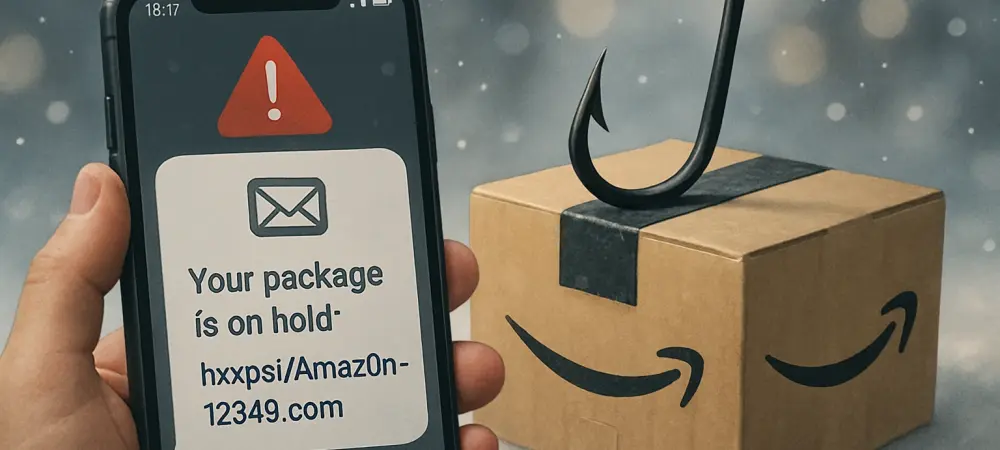
As the holiday shopping season reaches its peak, a staggering number of consumers find themselves bombarded with text messages claiming to be from trusted retailers, promising urgent updates on orders or exclusive deals. This alarming trend, known as “smishing” (SMS phishing), poses a significant threat to unsuspecting shoppers, especially those using Amazon, the most impersonated brand in these deceptive schemes. The importance of understanding and combating these scams cannot be overstated, as cybercriminals exploit the festive rush to steal personal and financial information with increasing sophistication.
This FAQ article aims to provide clear, actionable guidance by addressing the most pressing questions surrounding smishing scams targeting Amazon users. Readers can expect to gain insights into recognizing these threats, understanding their scale during the holiday period, and learning practical steps to protect themselves. The content focuses on key aspects of the issue, drawing from expert insights and authoritative data to ensure a comprehensive understanding of this growing cybersecurity concern.
By exploring the tactics used by scammers and the protective measures recommended by industry leaders, this piece equips consumers with the knowledge needed to navigate the holiday season safely. Whether shopping for gifts or tracking deliveries, staying informed about these risks is a critical step toward safeguarding sensitive information.
Key Questions or Key Topics Section
What Are Smishing Scams and Why Are They a Concern for Amazon Users?
Smishing, a blend of SMS and phishing, involves fraudulent text messages designed to trick recipients into revealing personal details or clicking on malicious links. These scams are particularly concerning for Amazon users because the platform is the most frequently mimicked brand, accounting for a significant portion of phishing attempts. The holiday season amplifies this risk as shoppers are more likely to expect order confirmations or delivery updates, making them vulnerable to deception.
The concern lies in the potential loss of financial data and personal identity information, which can lead to unauthorized transactions or long-term fraud. Cybercriminals craft messages that mimic Amazon’s branding, often creating a sense of urgency around package delays or account issues. This manipulation exploits trust in a familiar name, leading many to act without verifying the message’s authenticity. Expert analysis highlights the scale of this issue, noting that these attacks form a billion-dollar industry with sophisticated methods that evolve rapidly. Consumers must remain cautious, as the consequences of falling victim to such scams can be devastating, especially during a time of heightened online activity.
Why Do Smishing Attacks Spike During the Holiday Season?
The holiday season, particularly around Christmas and New Year, sees a dramatic increase in smishing attacks due to the surge in online shopping and delivery expectations. Unlike the commonly anticipated Black Friday or Cyber Monday, data shows that phishing attempts targeting shopping sites double in late December and quadruple in early January. This timing aligns with peak consumer engagement, creating an ideal window for scammers to strike.
Scammers capitalize on the urgency and excitement of the holidays, sending texts about delayed shipments or exclusive offers that prompt immediate action. Shoppers, often distracted by festive preparations, may overlook subtle signs of fraud in their rush to resolve supposed issues. This environment of haste and high transaction volumes provides fertile ground for deceptive tactics.
Security firms have tracked this trend, revealing that the focus on trusted brands like Amazon intensifies during this period. The sheer number of transactions and communications makes it easier for fraudulent messages to blend in, underscoring the need for heightened awareness when dealing with unsolicited texts.
What Are the Red Flags of a Smishing Scam Targeting Amazon Users?
Identifying a smishing scam begins with recognizing specific warning signs that distinguish fraudulent messages from legitimate communications. Amazon has outlined three critical red flags: texts from unrecognized numbers or unexpected country codes, messages about orders or deliveries not placed by the recipient, and links containing misspelled URLs, typos, or raw IP addresses. These indicators often betray the scam’s intent.
Beyond these markers, the tone of urgency or fear in the message—such as threats of account suspension or missed deliveries—serves as another clue. Legitimate companies rarely demand immediate action via text without prior context. Scrutinizing the sender’s details and the content for inconsistencies can prevent falling into the trap of clicking harmful links or sharing sensitive data.
Awareness of these signs is crucial, as scammers often replicate branding elements to appear authentic. By taking a moment to verify any suspicious text directly through official channels, users can avoid the pitfalls of these cleverly disguised attacks, protecting both their information and peace of mind.
How Are Cybercriminals Evolving Their Smishing Tactics?
The evolution of smishing tactics reflects a troubling shift toward greater complexity and harder detection. Cybercriminals now leverage encrypted mobile messaging platforms to obscure their activities, making it challenging for security systems to intercept fraudulent communications. This adaptation allows scams to reach users with less interference from traditional safeguards.
Additionally, the integration of artificial intelligence enables the creation of more personalized and convincing messages. AI-driven tools can mimic natural language patterns, craft tailored content based on stolen data, or automate mass campaigns with precision. This technological advancement heightens the risk, as even cautious individuals may struggle to spot the deception in polished, context-aware texts.
Industry experts emphasize that these innovations are part of a broader trend in cybercrime, where attackers continuously refine their methods to bypass defenses. Staying informed about these developments is essential, as understanding the enemy’s approach equips users to counter it with updated security practices and vigilance.
What Protective Measures Can Amazon Users Take Against Smishing Scams?
Protecting against smishing scams requires a proactive stance, starting with never clicking on links in unsolicited messages. Instead, users should verify any claims by accessing their Amazon account directly through the official app or website. This simple habit prevents exposure to fake login pages designed to harvest credentials. Enabling two-factor authentication adds an extra layer of security, ensuring that even if a password is compromised, unauthorized access is blocked. Adopting passkeys, a secure, password-free login method already embraced by millions of Amazon customers, further reduces vulnerability. These tools fortify accounts against the most common entry points exploited by scammers.
Beyond technical safeguards, reporting suspicious messages to Amazon or relevant authorities helps disrupt scam networks. Consumer education plays a vital role as well; staying updated on scam trends and sharing knowledge with others builds a collective defense. Combining these strategies creates a robust shield against the persistent threat of smishing.
Summary or Recap
This FAQ consolidates critical insights into the rising threat of smishing scams, particularly for Amazon users during the holiday season. It addresses the nature of these SMS phishing attacks, their seasonal surge, identifiable red flags, evolving tactics of cybercriminals, and essential protective measures. Each topic underscores the urgency of awareness in a landscape where trusted brands are exploited to deceive consumers. Key takeaways include the importance of scrutinizing text messages for suspicious elements and avoiding impulsive actions prompted by urgent language. The adoption of security practices like two-factor authentication and passkeys stands out as a practical defense, while reporting scams contributes to broader efforts to combat cybercrime. These points collectively highlight a shared responsibility between individuals and companies to mitigate risks.
For those seeking deeper knowledge, exploring resources from cybersecurity firms or official Amazon security guidelines offers valuable updates on emerging threats. Staying informed remains a cornerstone of protection, ensuring that holiday shopping does not come at the cost of personal security.
Conclusion or Final Thoughts
Reflecting on the discussions held, it becomes evident that smishing scams targeting Amazon users demand immediate attention during the holiday frenzy. The sophistication of these attacks, fueled by technological advancements, underscores a persistent challenge that requires both vigilance and action from every shopper. Moving forward, consumers are encouraged to integrate the highlighted protective measures into their daily online habits, ensuring that security becomes second nature. Exploring innovative tools and staying updated on scam tactics offers a pathway to outsmart cybercriminals, while reporting suspicious activity plays a crucial role in dismantling fraudulent networks.
As a final consideration, each individual is prompted to evaluate their own exposure to such risks, especially when engaging in frequent online transactions. Taking proactive steps to safeguard personal information not only protects oneself but also contributes to a safer digital environment for all during festive times and beyond.