

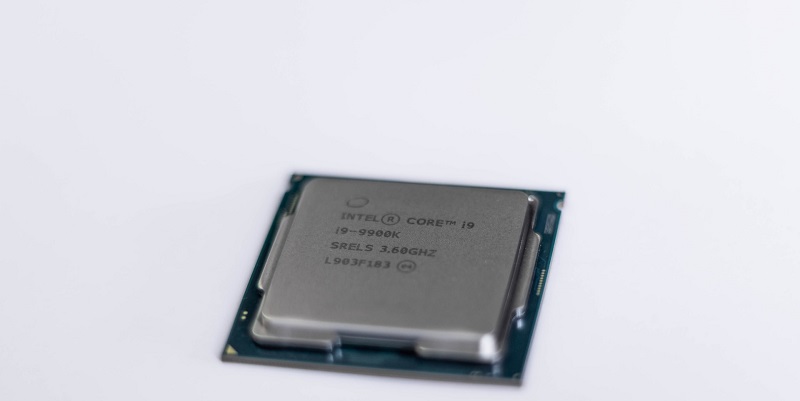
In an unexpected turn of events, a recent leak from MSI has provided valuable insights into Intel’s upcoming 14th-gen chips, known as Raptor Lake Refresh processors. The leak comes in the form of a product training video shared on YouTube, shedding light on the performance levels and improvements expected from Team Blue’s next-generation CPUs.
Performance Comparison: Raptor Lake Refresh vs. Raptor Lake
According to leaked information, the Raptor Lake Refresh processors are projected to offer a modest average improvement of approximately 3% over their predecessors, the Raptor Lake chips. However, there is one exception—the Core i7-14700K is expected to showcase a significant 17% boost in multi-threading performance.
Cautious Analysis
While the leaked briefing from MSI provides intriguing details, it is crucial to approach the information with a level of caution. The accuracy and reliability of the leak remain uncertain, emphasizing the need for independent testing before drawing any concrete conclusions. It is essential not to place excessive weight on a single leak as it may not provide the entire picture.
Raptor Lake Refresh Expectations
From the outset, Intel has positioned Raptor Lake Refresh as a mere refresh rather than a revolutionary update. As a result, expectations were reasonably reined in. However, there have been rumors suggesting that certain 14th-gen chips, including the highly anticipated Core i7-14700K, could offer exceptional performance gains.
Intel’s Next-Gen CPU Expectations
Considering Intel’s historical track record in delivering significant performance advancements with each new generation, the reported 3% average improvement might seem underwhelming. Enthusiasts and consumers alike expected more from Intel’s Raptor Lake Refresh processors. The leaked information has, for the time being, dampened the excitement surrounding the release.
Considerations and Conclusion
Despite the initial disappointment stemming from the leaked information, it is essential not to jump to conclusions prematurely. MSI’s briefing might contain errors or misconceptions, leading to potentially inaccurate performance predictions. The true capabilities of Raptor Lake Refresh can only be assessed through comprehensive testing by reliable sources.
The leaked product training video from MSI has revealed details about Intel’s Raptor Lake Refresh processors. However, some may find the reported 3% average improvement compared to Raptor Lake, excluding the Core i7-14700K, to be underwhelming. It is important to approach this information with caution and await further details and independent testing to form a definitive opinion on the performance of Intel’s next-gen CPUs. While the leaked details may not be a cause for immediate excitement, they do not provide the complete picture. Only time will tell if Raptor Lake Refresh lives up to the expectations set by its predecessors.