

Every second a shipping coordinator spends toggling between an ERP screen and a carrier portal is a silent leak in a company’s bottom line that accumulates into thousands of dollars of lost productivity annually. In the high-velocity distribution environment of 2026, the cost of labor and the demand for rapid fulfillment have made manual data entry an unsustainable liability. Business leaders now recognize that the efficiency of the warehouse is directly proportional to the seamlessness of its data flow. When a staff member has to retype a customer address or a package weight into a third-party website, they are not just performing a task; they are creating a window for human error that could lead to mis-shipped goods, frustrated customers, and costly return freight.
Modern organizations have moved away from the fragmented workflows of previous years, seeking a unified “one-window” approach within Microsoft Dynamics 365 Business Central. The standard for excellence in 2026 is no longer just about having an ERP that records sales; it is about having an ERP that executes the entire lifecycle of a transaction, including the final generation of a shipping label. This shift toward automation is driven by the reality that supply chain margins are thinner than ever, and any friction between the sales order and the physical package is a direct threat to profitability. Integrated shipping solutions have transformed from luxury add-ons into core operational requirements for competitive manufacturing and distribution firms.
The emergence of free, native extensions has changed the procurement landscape, allowing managers to bypass lengthy budget approval cycles while solving critical bottlenecks. These tools allow shipping coordinators to remain within the Business Central environment, pulling data directly from sales orders and posting tracking information back in real-time. As businesses navigate the complexities of 2026, the focus has shifted from merely managing inventory to optimizing the movement of that inventory with the least amount of human intervention possible.
Why Manually Retyping Shipping Data Is Costing Your Business in 2026
Manual data entry is a relic of a slower era, and in the current market, it represents a significant hidden expense that many companies fail to quantify correctly. When a shipping coordinator keeps a carrier’s website open in a second window, the process of transcribing addresses and order details introduces a “mental switching cost” that degrades focus and increases the likelihood of typos. A single transposed digit in a zip code can result in an undeliverable package, leading to a cascade of customer service calls and additional carrier fees for address correction. In 2026, where customer expectations for accuracy are at an all-time high, these small errors can permanently damage a brand’s reputation.
Furthermore, the labor costs associated with manual entry have become harder to justify as wages for skilled warehouse personnel continue to rise. If a worker spends three minutes per order manually entering data into a carrier portal and the warehouse processes a hundred orders a day, that represents five hours of lost labor every single day. Over a standard business year, this equates to hundreds of hours that could have been spent on higher-value activities like inventory management or quality control. Automation is no longer just a way to save time; it is a strategy to maximize the value of the human workforce by removing the clerical drudgery that leads to burnout and high staff turnover. The lack of integration also creates a dangerous visibility gap that impacts the entire organization. When shipping happens outside of Business Central, the accounting and customer service teams are left in the dark until someone manually updates the sales order with a tracking number and freight cost. This disconnect often leads to billing delays or inaccuracies, as the actual cost of shipping may not be known until the carrier’s invoice arrives weeks later. In 2026, real-time financial data is the lifeblood of a successful firm, and manual shipping processes act as a clog in the system, preventing accurate margin analysis and timely communication with the customer.
The Gap: Connecting Sales Orders and Shipping Labels
Microsoft Dynamics 365 Business Central is a robust platform for managing sales demand, yet its native functionality often stops at the warehouse door, leaving a critical gap in the physical fulfillment process. Traditionally, businesses have been forced to bridge this gap with expensive, enterprise-grade shipping suites that require complex configurations and ongoing license fees. For many small to medium-sized enterprises, these high-cost solutions are over-engineered for their domestic parcel needs, leading to a situation where they either overpay for software or stick with the tedious manual entry methods. This “middle-ground” struggle has defined the logistical challenges for many firms until very recently.
This disconnect creates a fragmented user experience where the physical shipping label is treated as an outside task rather than a core component of the sales order lifecycle. When a sales order is ready to be shipped, the warehouse team needs to know not only what items are going into the box but also the most cost-effective way to get that box to the customer. Without a native connection to carrier rating engines, the decision-making process becomes a guessing game based on outdated spreadsheets or the personal preferences of the shipping clerk. This lack of data-driven decision-making leads to inconsistent shipping charges and lost opportunities to save on freight costs. Bridging this gap requires a solution that integrates directly into the sales order screen, treating the shipping label as the final “post” in the transaction. By bringing the carrier’s logic inside the ERP, businesses can ensure that dimensions, weights, and service levels are captured accurately at the moment of fulfillment. This level of integration ensures that the tracking number is not just a piece of data to be copied but a clickable link that lives on the posted shipment, providing instant transparency for anyone in the organization. The goal in 2026 is to create a closed-loop system where the sales order informs the shipment, and the shipment immediately updates the sales order with financial and tracking details.
Understanding Order Ship Express: Features and Workflow
The standout solution for companies seeking to optimize their logistics in 2026 is Order Ship Express by Insight Works, a native extension that brings parcel shipping directly into the Business Central interface. This app is particularly notable because it operates without a software licensing fee, removing the financial barrier that often prevents smaller firms from adopting high-level automation. The workflow begins with a simple installation from the Microsoft AppSource, followed by a wizard-driven setup that connects the company’s carrier accounts and rating services in a matter of minutes. This ease of deployment is a hallmark of modern 2026 software design, where time-to-value is measured in hours rather than months.
Once installed, the app adds a “Create Shipping Labels” action directly to the sales order, allowing the user to define packages, weights, and dimensions without leaving the page. One of the most powerful features is the real-time rate shopping capability, which allows users to compare live shipping rates across up to three different carriers simultaneously. This ensures that the most cost-effective service is selected for every package, taking the guesswork out of the fulfillment process. The system supports multi-package shipments, providing the flexibility to define specific contents for each box, which is essential for accurate packing slips and shipping documentation. Financial accuracy is maintained through an automated write-back feature that calculates freight markups based on pre-defined rules. The app automatically adds the shipping charge as a line item on the sales order, capturing both the actual cost paid to the carrier and the amount billed to the customer. This level of detail allows for precise margin reporting on every shipment. Furthermore, the integration extends to the back end of the customer service cycle; tracking numbers are automatically synced, and return labels can be generated instantly against posted shipments. This comprehensive feature set ensures that the entire shipping process, from rate shopping to returns, is handled within a single, cohesive interface.
Proven Reliability and Industry Perspective
Expert analysis of the 2026 shipping market highlights a decisive shift toward “lite” integrated solutions for domestic parcel shipping. Industry specialists have observed that many businesses no longer require the bloated, high-cost shipping platforms of the past, preferring instead agile tools that do one thing exceptionally well. Order Ship Express has emerged as a disruptive force because it eliminates the procurement barrier entirely. Since there is no license cost, department managers can implement the tool as a tactical improvement without the need for lengthy capital expenditure reviews. This democratization of technology has allowed even small distributors to compete with larger entities on fulfillment speed and accuracy.
User feedback from the manufacturing and distribution sectors consistently emphasizes the value of financial visibility. Many managers have noted that seeing the marked-up freight charge and the actual carrier cost on the same order record has provided unprecedented insights into their shipping margins. In previous years, these costs were often buried in general ledger accounts, making it difficult to see if shipping was a profit center or a drain on resources. The ability to audit these costs in real-time has led to more strategic carrier negotiations and more accurate customer pricing models. This firsthand evidence underscores the app’s role as a financial oversight tool as much as a logistical one.
From a technical perspective, the reliability of native extensions in Business Central Cloud has reached a peak in 2026. Because these apps are built on the Microsoft stack, they benefit from the same security and uptime standards as the ERP itself. Reliability is further bolstered by the community of Microsoft Partners who recommend these “no-cost” tools to their clients as a way to enhance the standard Business Central experience. The consensus among industry consultants is that the move toward integrated, carrier-connected shipping is the single most effective way to improve warehouse throughput without increasing headcount.
Implementing a Zero-Cost Shipping Strategy
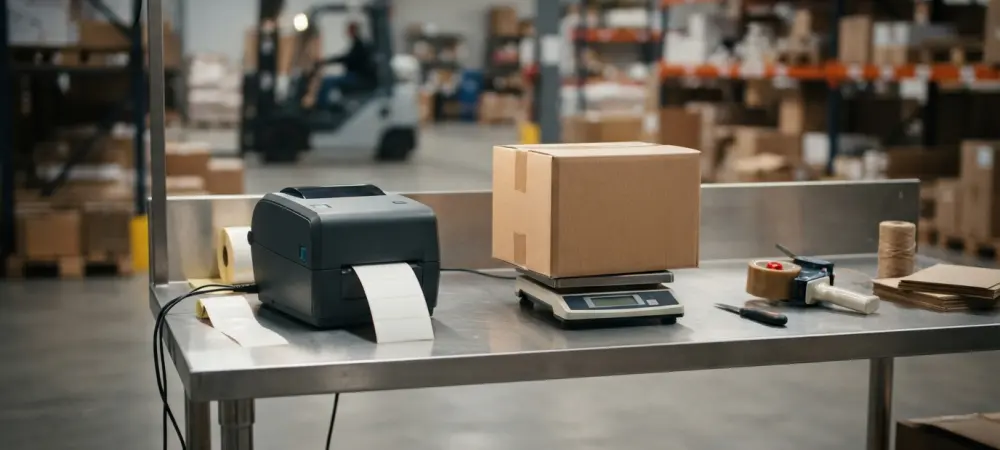
To transition from a manual, error-prone shipping process to an integrated Business Central workflow, businesses can follow a structured framework that ensures immediate results. The first step involves an audit of the current carrier mix, identifying which domestic carriers—such as UPS, FedEx, or USPS—are primary to the operation. Ensuring these accounts are ready for integration allows the software to pull the correct negotiated rates. Once the carriers are identified, the extension is deployed from the Microsoft Marketplace, and the assisted setup wizard is used to link the carrier production keys. This process is designed to be intuitive, allowing companies to go from installation to their first label in a very short timeframe. Configuration of freight markups is a critical step in ensuring the shipping department remains financially viable. Businesses can define margin strategies within the app setup, such as adding a flat handling fee or a percentage markup to the live carrier rates. This ensures that the cost of packaging materials and labor is covered, or that shipping becomes a consistent source of ancillary revenue. To further streamline the physical workflow, many organizations integrate the PrintNode Connector, a separately free tool that sends labels directly to thermal printers. This eliminates the step of downloading and opening PDF files, creating a truly “hands-free” experience for the person standing at the packing station.
Finally, the strategy involves empowering staff across different departments to use the tool for one-off shipments. By removing the complexity of carrier portals, staff in accounting or customer service can generate shipping or return labels as needed without burdening the warehouse team. This cross-departmental efficiency reduces internal communication friction and ensures that all shipping activity is recorded within the ERP. Training for these “occasional shippers” is minimal because the interface remains consistent with the rest of Business Central, making the adoption of the new system smooth and predictable across the entire organization. The adoption of automated parcel systems during 2026 transformed the shipping department into a center of precision rather than a hub of correction. Organizations that successfully deployed these tools prioritized hardware connectivity through thermal printing interfaces and centralized their carrier accounts into a single rating hub. This shift allowed logistics managers to focus on carrier negotiations instead of address verification, as the software handled the clerical heavy lifting. The implementation of the free shipping application provided a scalable foundation for companies that sought to eliminate manual errors and gain a clearer view of their freight margins. Ultimately, the move toward integrated shipping applications finalized the digital transformation of the warehouse, creating a blueprint for sustained operational resilience.