

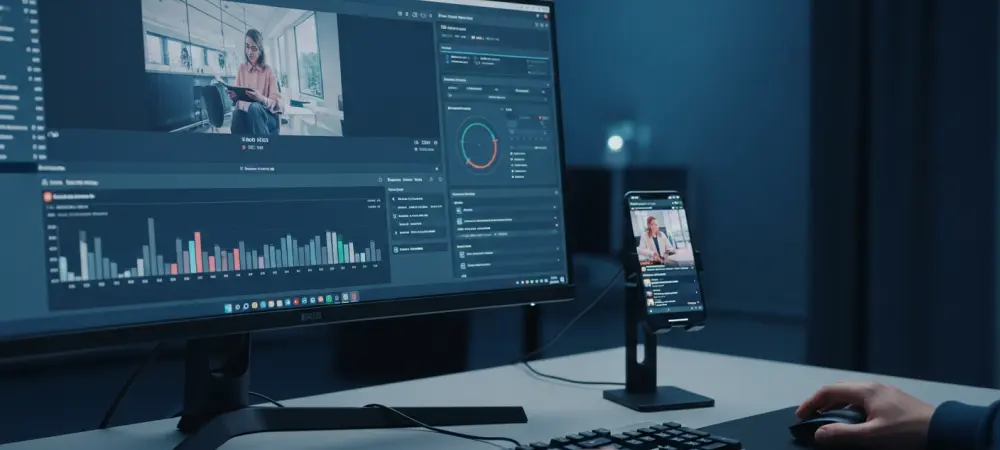
The digital landscape currently rewards speed over traditional polish, forcing modern creators to choose between meticulous editing and the rapid-fire demands of a twenty-four-hour trend cycle. In this environment, the luxury of spending days in a professional editing suite has largely vanished for those seeking to maintain a competitive edge. It is no longer uncommon to see high-level cinematic effects appearing on social media feeds just hours after a new trend surfaces. This phenomenon occurs because the most successful digital pioneers have pivoted away from the grueling manual labor of frame-by-frame adjustments, embracing instead the efficiency of AI-driven replication. By the time a conventional editor completes a rough draft, a creator utilizing artificial intelligence has already pushed multiple videos live, capturing the peak of algorithmic attention.
The transition toward these automated tools represents more than just a technological upgrade; it is a fundamental shift in the creator economy. For years, the barrier to entry for high-quality video production remained high, dictated by the cost of gear and the steep learning curve of complex software. However, the current standard favors those who can synthesize information and deploy content with surgical precision. The narrative of the modern creator is one of strategic deployment rather than technical endurance. This evolution ensures that the focus remains on the storytelling and the message, rather than the mechanical hurdles that once defined the industry.
Beyond the Edit: Why Timing Is Everything in the 2026 Creator Economy
Success in the modern attention economy is measured in minutes and hours rather than weeks of preparation. When a global cultural moment or a viral sound bite captures the public imagination, the window for maximum engagement is exceptionally narrow. Creators who rely on traditional post-production workflows frequently find themselves entering the conversation as it begins to decline. This latency results in lower visibility and diminished reach, as social algorithms prioritize the earliest and most relevant contributors. To counter this, many influencers have adopted a mindset where the “edit” is no longer a separate phase but an integrated, automated component of the creative process.
The shift toward immediate production reflects a broader change in audience behavior. Viewers have grown accustomed to a constant stream of high-fidelity content that responds to real-time events. Consequently, the expectation for production value has not decreased, even as the required time for production has plummeted. This pressure has created a necessity for tools that can replicate high-end aesthetics without the associated lead time. By leveraging systems that understand the visual language of the moment, creators can maintain a consistent presence that feels both professional and spontaneous, securing their place at the forefront of the digital discourse.
From Manual Production to Algorithmic Analysis: The Evolution of the Video Workflow
The traditional workflow of video production, which historically spanned from planning and recording to an exhaustive editing phase, has officially been disrupted by a more streamlined approach. In the past, every transition, color grade, and motion effect required manual intervention and a deep understanding of technical parameters. Today, the model has shifted toward a more intuitive process of uploading, analyzing, and generating. This transition democratizes professional-grade content by allowing individuals with limited technical backgrounds to compete with established marketing agencies. It effectively removes the gatekeepers of quality, placing the power of high-end production into the hands of anyone with a smartphone and a compelling vision.
This evolution is significant because it addresses the two most persistent problems in the media industry: high costs and exhausting turnaround times. When a workflow is built on algorithmic analysis rather than manual manipulation, the potential for human error is reduced while the capacity for output increases exponentially. Marketers and solo entrepreneurs now use these advanced systems to bridge the gap between a static concept and a dynamic reality. This shift ensures that the creative energy is spent on refining the core message and the strategy behind the content, rather than getting lost in the weeds of technical execution.
Deconstructing the Viral FormulHow AI Replicates Hooks, Pacing, and Motion
The sophisticated technology driving tools like the Picwand AI Viral Video Cloner operates by stripping a video down to its fundamental structural DNA. It is no longer sufficient to simply copy a filter or a color palette; the AI must understand why a specific piece of content succeeds. By analyzing the “hooks”—those vital opening moments that determine whether a viewer continues to watch or scrolls away—the system can replicate the exact psychological triggers used by viral content. Furthermore, it identifies the rhythmic pacing that maintains audience retention, ensuring that the timing of every cut and movement is mathematically optimized for maximum engagement.
Beyond structural analysis, these generators utilize complex motion replication to apply cinematic transitions and character movements to new assets. For example, a creator can upload a single image of a subject, such as a household pet or a new product, and provide a reference link to a trending video. The AI synthesizes the motion patterns from the reference and translates them onto the new image with remarkable fidelity. This ability to replicate masterful effects without needing specialized training has changed the nature of visual storytelling forever.
Democratizing High-End Effects: Real-World Transformations from Static Images to Dynamic Stories
One of the most notable breakthroughs in the current year is the capacity to turn static, or “dead,” assets into “live” engagement. We are seeing a surge in content where simple photographs are transformed into complex, story-driven characters within seconds. This capability has shifted the industry focus away from camera angles and lighting setups toward pure narrative strategy. Influencers are no longer tethered to a physical studio; they can generate high-fidelity scenes using nothing more than a well-composed image and a prompt. This shift allows for a level of experimentation that was previously too expensive or time-consuming for most creators to consider. Data from current engagement metrics suggests that these AI-cloned videos frequently outperform traditional content because they are built on established visual structures. The human brain, and by extension the social algorithms, responds more favorably to patterns it already recognizes as high-value. When a creator uses AI to mirror the pacing and motion of a successful format, they are essentially speaking the native language of the platform. This democratization of high-end effects means that the success of a campaign now depends on the strength of the underlying idea rather than the size of the production budget, leveling the playing field for small businesses and independent artists.
Mastering the AI Clone Workflow: A Strategic Roadmap for Instant Video Deployment
To achieve the best results with these tools, a specific framework for deployment is often required. The process generally begins with the identification of a high-performing “source” video—content that has already demonstrated its ability to capture the public’s interest. Once the source link is secured, the creator provides their own unique imagery and a text prompt to define the creative direction. The AI then performs a multi-layer analysis, matching the motion and structural elements of the source to the new assets. This results in a professional-grade video that is ready for immediate distribution, allowing creators to act on trends while they are still relevant.
After the generation is complete, the final step involves selecting the correct aspect ratio and deploying the content across multiple platforms simultaneously. For instance, the 9:16 format is standard for Reels and Shorts, where the majority of viral growth currently occurs. This three-step strategy—Upload, Analyze, and Share—enables solo creators and small marketing teams to maintain a professional presence without a dedicated production crew. By following this roadmap, creators ensured that their content remained fresh and strategically aligned with the shifting preferences of their target audience, maximizing their impact with minimal technical friction.
The rapid rise of automated video production systems fundamentally changed the way digital content was conceived and shared. Creators who embraced the transition from manual editing to AI-enhanced replication found that they could maintain high production standards while meeting the aggressive timelines of modern platforms. The technology provided a bridge between raw ideas and professional execution, allowing for a more diverse range of voices to enter the marketplace. As these tools became more integrated into the daily workflow, the distinction between professional studios and independent creators continued to blur. This era of digital production solidified the idea that agility and creative vision were the primary drivers of success in a saturated media environment. Moving forward, the focus remained on refining these automated processes to unlock even more complex forms of visual expression.