

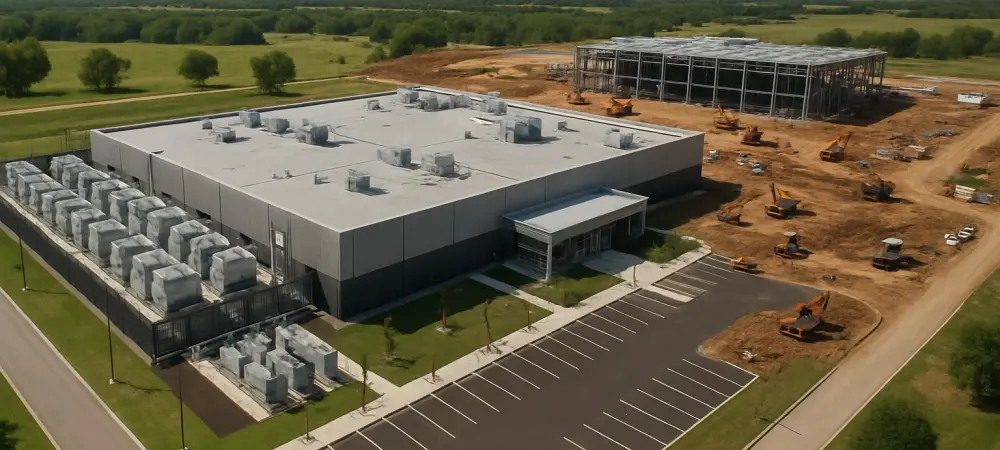
In an era where digital infrastructure underpins nearly every facet of modern life, the announcement of a $1 billion data center campus in Tulsa County, Oklahoma, by Beale Infrastructure has captured widespread attention. This ambitious venture, dubbed Project Clydesdale, promises to reshape the regional economy and position Oklahoma as an emerging player in the tech landscape. With data demands soaring due to cloud computing and artificial intelligence, the stakes for such projects are higher than ever. This roundup gathers diverse opinions, strategic tips, and forward-looking reviews from industry stakeholders, economic analysts, and regional planners to explore what this development means for Tulsa and beyond, while dissecting the opportunities and challenges it presents.
Exploring the Vision Behind Project Clydesdale
A New Tech Hub in Oklahoma
Situated on a sprawling 506-acre site in Owasso, just northeast of Tulsa, Project Clydesdale represents a bold step toward transforming Oklahoma into a technology frontier. Industry observers note that the location offers strategic advantages, including access to connectivity and relatively low operational costs. Many see this as a signal that mid-tier cities can compete with traditional tech hubs if supported by substantial investments.
Feedback from regional development advocates suggests enthusiasm for the project’s potential to redefine Tulsa County’s economic identity. They argue that the campus could attract ancillary businesses, from IT service providers to logistics firms, creating a ripple effect across sectors. However, some caution that the region must invest in workforce training to ensure local talent can fill the roles this project will create.
A contrasting perspective comes from skeptics within the tech investment community who question whether Oklahoma’s infrastructure can keep pace with such rapid growth. Concerns linger about energy demands and whether the state’s grid can sustainably support a data center of this scale. These varied viewpoints highlight the complexity of integrating high-tech projects into less traditional markets.
Economic Impacts and Job Creation
The promise of 100 high-paying jobs tied to Project Clydesdale has sparked optimism among economic planners in Tulsa County. Analysts emphasize that these positions, often in specialized fields like data management and cybersecurity, could elevate the region’s income levels and attract skilled professionals. Government support, evidenced by approved tax incentives, further underscores a commitment to leveraging this project for broader prosperity.
On the flip side, some local policy experts express reservations about the long-term sustainability of these economic benefits. They point out that while initial job numbers are promising, the balance between corporate incentives and taxpayer burden needs careful monitoring. There’s a shared concern that without diversified economic strategies, reliance on a single large-scale project could pose risks if market conditions shift.
Insights from business consultants suggest that Tulsa County could maximize benefits by fostering small business ecosystems around the data center. Encouraging partnerships with local vendors for support services like maintenance or catering could amplify the economic boost. This diversity of thought reveals both the potential and the pitfalls of such a transformative initiative.
Strategic Development and Regional Context
Phased Rollout and Partnerships
Project Clydesdale’s phased approach, starting with an initial build followed by up to three 200,000-square-foot expansions, has drawn praise from construction and tech project managers for its scalability. This structured rollout allows for adjustments based on market needs and technological advancements. Collaboration with Quartz Mountain is also viewed as a critical factor, with many in the industry highlighting how such alliances ensure access to expertise and resources.
However, some project management professionals warn of potential hurdles like construction delays or funding gaps that could disrupt timelines. They advise that contingency plans must be robust to address supply chain issues or regulatory changes. This pragmatic outlook tempers the excitement with a reminder of real-world challenges inherent in large-scale developments.
A third angle comes from tech scalability experts who see the phased model as an opportunity to integrate cutting-edge innovations over time. They suggest that Beale Infrastructure could adapt the campus to future data storage or processing trends by staying flexible in design. These insights collectively paint a picture of cautious optimism surrounding the project’s execution.
Oklahoma’s Growing Data Center Scene
Oklahoma’s data center landscape is gaining momentum, with established players like Google operating in Pryor and newer projects like the 340-acre Project Anthem, rumored to involve Meta, on the horizon in Tulsa. Regional analysts view this clustering as a positive sign, indicating that the state is becoming a viable destination for tech infrastructure. Beale’s additional plans for Project Atlas in Coweta further reinforce this trend.
Comparatively, some industry watchers argue that Oklahoma still lags behind neighboring states with more mature tech ecosystems, such as Texas. They note that while the state offers cost advantages, it must enhance connectivity and policy frameworks to compete effectively. This perspective challenges the notion of Oklahoma as an immediate heavyweight in the sector.
A more optimistic take from economic development strategists suggests that Oklahoma’s relative newness to the data center market could be an asset. They propose that starting with modern, purpose-built facilities like Project Clydesdale gives the state a chance to leapfrog older infrastructure elsewhere. This diversity of opinion underscores the state’s evolving role in a competitive field.
Beale’s Broader Multi-State Ambitions
Beale Infrastructure’s vision extends well beyond Oklahoma, with projects near Kansas City in De Soto, Kansas, and developments around Tucson, Arizona. Industry commentators highlight that this multi-state strategy aligns with a national surge in data needs driven by AI and cloud services. Many see Beale’s approach as a model for distributing digital infrastructure across less saturated markets.
Differing views emerge from regional planners in these other areas, who note that each location faces unique challenges, from water scarcity in Arizona to zoning complexities in Kansas. They advise that Beale must tailor its strategies to local conditions rather than apply a one-size-fits-all model. This localized perspective adds depth to the discussion of sprawling tech investments.
Technology trend analysts offer a forward-looking tip, suggesting that Beale’s portfolio could position mid-tier cities as critical nodes in national data networks. They recommend that municipalities in these regions actively court complementary industries to build robust tech ecosystems. Such advice reflects a shared belief in the transformative power of interconnected regional developments.
Key Takeaways and Practical Advice
Synthesizing these perspectives, Project Clydesdale stands out for its economic potential, structured development, and role in elevating Oklahoma’s tech profile. The consensus among stakeholders points to significant job creation and regional growth, though tempered by concerns over sustainability and infrastructure readiness. These insights provide a balanced view of what’s at stake for Tulsa County.
For local businesses, a practical tip is to explore partnerships with Beale and related entities to supply goods or services, thereby integrating into the project’s value chain. Policymakers, meanwhile, are encouraged to streamline regulations and invest in digital literacy programs to prepare the workforce. These actionable steps can help maximize the project’s benefits.
Community leaders and industry professionals might consider forming coalitions to advocate for additional tech investments in the region. Engaging with state-level initiatives to promote Oklahoma as a tech-friendly destination could further amplify the impact. This collective approach offers a roadmap for stakeholders to capitalize on the current momentum.
Reflecting on Tulsa’s Tech Milestone
Looking back, the discourse surrounding Beale Infrastructure’s $1 billion investment in Tulsa County revealed a blend of optimism and caution among industry voices, economic analysts, and regional planners. The discussions highlighted the transformative potential of Project Clydesdale while acknowledging the hurdles of integrating such a massive project into an emerging market. It was a moment of significant promise for Oklahoma’s tech aspirations.
Moving forward, a key next step lies in fostering collaboration between public and private sectors to address infrastructure gaps, particularly in energy and connectivity. Exploring innovative funding models to support workforce development could also ensure that local communities reap lasting rewards. These considerations pave the way for sustained growth.
Additionally, regional stakeholders might benefit from studying successful data center hubs in other states to adapt best practices tailored to Oklahoma’s unique landscape. Building a reputation for reliability and innovation could attract further investments, solidifying Tulsa’s place in the national digital economy. This focus on strategic evolution offers a hopeful path ahead.