

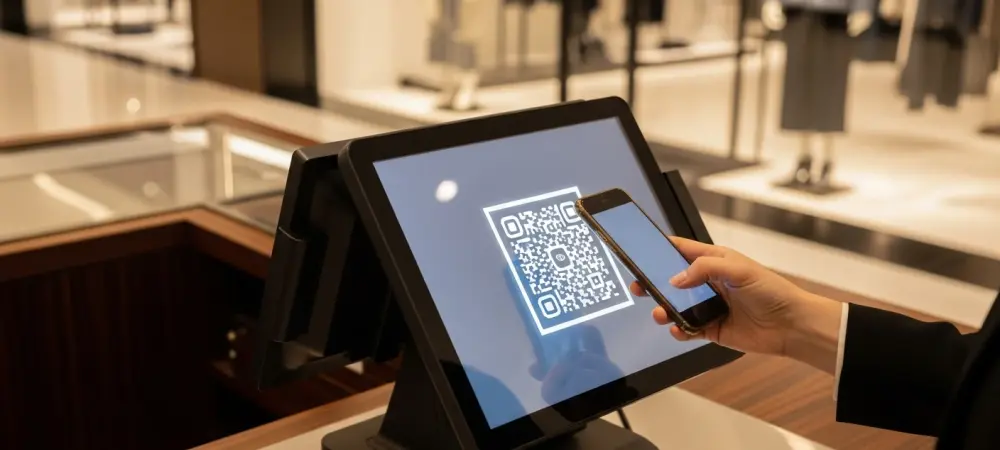
Recent shifts in the Philippine financial landscape have propelled the nation away from traditional cash reliance toward a sophisticated, digital-first economy that prioritizes speed and security. As 2026 progresses, the transition is no longer a mere trend but a fundamental restructuring of how millions of individuals manage their daily financial lives. BDO Unibank has emerged as a primary architect of this movement, utilizing its BDO Pay platform to bridge the gap between legacy banking and the needs of a modern, mobile-oriented population. The widespread adoption of standardized QR codes and the seamless integration of instant payment protocols like InstaPay have provided the necessary infrastructure for this evolution. Consumers now demand tools that offer more than just basic utility; they seek a comprehensive financial ecosystem that fits naturally into the fabric of everyday activities. By focusing on accessibility and intuitive design, the bank is successfully navigating the complexities of a hybrid economy where digital convenience must coexist with established trust.
Streamlining the User Experience
Consolidating Financial Services: A Unified Digital Portal
The primary strength of the BDO Pay platform lies in its ability to offer a unified transaction experience that eliminates the traditional friction associated with navigating multiple banking applications or complex service menus. Instead of requiring users to toggle between different interfaces for different tasks, the platform provides a singular portal where deposits, fund transfers, and reward tracking are managed concurrently. This consolidation significantly simplifies the mental overhead of financial management, allowing users to maintain a holistic view of their wealth in real time. Furthermore, the flexibility of the interface allows individuals to select their preferred funding source at the exact moment of purchase, whether that source is a specific savings account or a linked credit card. By removing these operational silos, the bank has created a more responsive environment that caters to the fast-paced requirements of the contemporary retail sector, ensuring that every financial interaction is handled with maximum efficiency and clarity.
Direct Bank Integration: Moving Beyond the Wallet Model
Unlike many independent digital wallets that require users to undergo a cumbersome “top up” process before making a purchase, this platform links directly to existing bank accounts to provide a seamless spending experience. This architectural choice removes the unnecessary steps and hidden fees often associated with transferring funds from a primary bank to a secondary digital container, effectively streamlining the path from intent to transaction. By operating as a direct extension of the user’s core bank account, the system provides a level of liquidity and convenience that traditional wallet models cannot match. This integration also carries the significant benefit of high-level security protocols that are native to a major universal bank, giving users peace of mind that their transactions are protected by robust fraud detection systems. The elimination of the pre-loading requirement not only saves time but also ensures that users can capitalize on immediate opportunities or manage urgent expenses without the delays typically found in less integrated financial tools.
Enhancing Operational Efficiency and Reach
Real-Time Processing: Orchestrating the Digital Economy
In the current economic climate, the speed of transaction processing has become a critical benchmark for consumer satisfaction and institutional reliability. BDO Pay addresses this demand by providing real-time visibility and instant settlement for a wide variety of daily financial activities, including grocery payments, utility bills, and person-to-person transfers. Achieving this level of performance requires a sophisticated orchestration of back-end core banking systems and constant fraud monitoring to ensure that speed does not come at the expense of security. This real-time capability is particularly vital in a landscape where instant feedback is expected, allowing users to verify successful payments immediately and maintain accurate records of their spending. Behind every tap or scan is a complex network of technology that validates credentials and moves funds across the banking infrastructure within seconds. This technical excellence ensures that the platform remains a dependable tool for high-frequency transactions, reinforcing the bank’s position as a leader in the digital transformation of the Philippine market.
The Phygital Strategy: Harmonizing Digital and Physical Banking
While digital adoption is accelerating, the bank continues to utilize a unique “phygital” strategy that leverages its extensive network of physical branches alongside its mobile capabilities. These physical locations serve as essential touchpoints for customer education and support, providing a human element that is often missing from purely online financial institutions. For individuals who may be less comfortable with new technologies, the branch network acts as a bridge, offering guidance on how to maximize the benefits of the mobile platform while maintaining the security of their assets. This hybrid approach builds a level of trust and accessibility that is crucial for long-term growth in a market that still values personal interaction. By combining the convenience of a mobile app with the stability and visibility of brick-and-mortar offices, the bank creates a comprehensive service model that reaches a broader demographic. This strategy ensures that digital progress is inclusive, allowing all segments of the population to transition into the digital economy at a pace that feels secure and supported by their trusted partner.
Driving Adoption and Long-Term Engagement
Removing Financial Barriers: The Impact of Zero-Fee Structures
To further encourage the shift away from cash-based transactions, the bank has implemented a strategic zero-fee structure for a wide range of common digital interactions. By absorbing the costs typically associated with fund transfers and QR code payments, the institution has removed the small financial hurdles that often discourage users from frequenting digital platforms. This move is designed to build long-term loyalty and establish digital banking as the default choice for all financial needs, rather than a luxury reserved for large or infrequent purchases. When users realize that digital payments are not only faster but also more cost-effective than traditional methods, the barriers to adoption begin to dissolve. This commitment to cost transparency and user value reflects a broader vision of financial inclusion, where technology serves as a tool for economic empowerment. By prioritizing user engagement over immediate transaction fees, the bank is investing in a future where its ecosystem becomes the central hub for the majority of consumer spending and financial management in the region.
Building Lifestyle Ecosystems: Integrating Retail and Banking
The bank expanded its influence by partnering with major retail groups to integrate its payment platform directly into the everyday shopping experience. By connecting financial services with retail and lifestyle activities, the platform became much more than a simple payment tool; it evolved into an indispensable companion for modern living. This integration allowed the bank to remain a central part of the consumer’s life, positioning it as a leader in the rapidly evolving digital landscape of the Philippines. Moving forward, the focus shifted toward utilizing artificial intelligence to provide personalized financial insights and expanding cross-border payment capabilities to support a more globalized workforce. The success of these initiatives demonstrated that a digital-first approach, when grounded in user needs and supported by a robust physical presence, could effectively transform a nation’s economic habits. Strategic investments in scalable technology ensured that the institution was prepared for the next wave of financial innovation, providing a clear roadmap for future progress.