
Battling Bias in AI: University of Toronto’s Vital Research

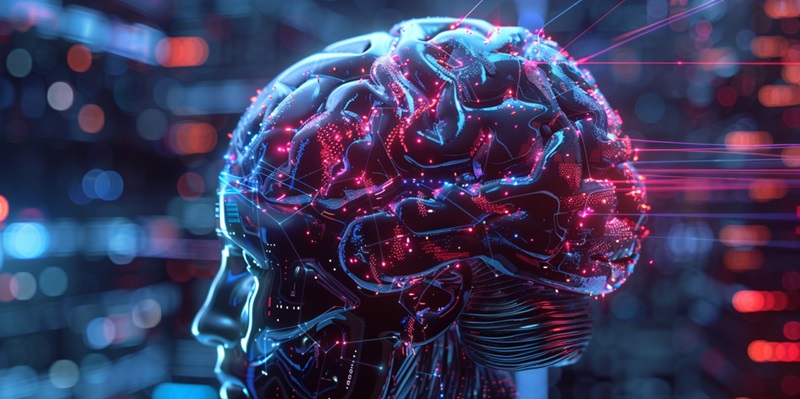
Daily life is now deeply intertwined with artificial intelligence, shaping decisions both trivial and significant. The University of Toronto stands at the vanguard of research aimed at ensuring AI systems operate equitably and without prejudice. The university’s scholars delve into the origins and manifestations of biases within AI, recognizing the dangers these can pose when AI learns from skewed datasets. Their mission is not merely academic but an urgent call to action in this era where AI’s influence burgeons. By uncovering how biases infiltrate AI and devising solutions to mitigate them, these researchers are crafting a more impartial future for AI applications. Their efforts are critical as they lay the groundwork for AI technologies that serve society justly, upholding the principles of fairness across all AI-powered domains.

Unveiling the Unconscious

The University of Toronto embarked on a crucial study that sheds light on the unconscious biases present within AI systems like ChatGPT. The examination conducted by Dr. Lisa Krieger and her team revealed that ChatGPT could unintentionally perpetuate gender and racial stereotypes. This occurs as a result of the machine learning (ML) algorithms processing data that inherently contain biases from generations of systemic discrimination. The research underscores that the unintended replication of these biases in AI interactions can reinforce stereotypes and, therefore, has profound implications for society.

The Path to Mitigated Bias

The University’s research underscores the imperative of a two-pronged approach to mitigate AI bias: expanding data diversity and the strict evaluation of AI decisions. It’s critical to infuse AI with wide-ranging data reflecting multiple viewpoints for a balanced understanding of our complex world. Simultaneously, an ongoing rigorous review process must be in place to ensure AI behaviour aligns with ethical norms and doesn’t reinforce prejudiced tendencies. This iterative process of scrutinizing and enhancing AI systems instills progressively more inclusive and just algorithmic decision-making, which better captures the essence of a diverse digital society. This evolutionary progression helps AIs like ChatGPT evolve into fairer tools over time.

Explore more

Will Windows 11 Finally Put You in Charge of Updates?

Breaking the Cycle of Disruptive Windows Update Notifications The persistent struggle between operating system maintenance and user productivity has reached a pivotal turning point as Microsoft redefines the digital boundaries of personal computing. For years, the relationship between Windows users and the “Check for Updates” button was defined by frustration and unexpected restarts. The shift toward Windows 11 marks a

Can You Land a High-Paying Remote Job With Low Grades?

The historical reliance on high grade point averages and prestigious university credentials as the sole gateways to elite engineering careers is rapidly dissolving in a globalized digital economy. Devaansh Bhandari, a young professional who secured a high-paying remote role with a salary of roughly $43,000 despite eight academic backlogs and a modest 6.3 CPI, stands as a prime example of

GitHub Fixes Critical RCE Vulnerability in Git Push

The integrity of modern software development pipelines rests on the assumption that core version control operations are isolated from the underlying infrastructure governing repository storage. However, the recent discovery of a critical remote code execution vulnerability, identified as CVE-2026-3854, has fundamentally challenged this security premise by demonstrating how a routine git push command could be weaponized. With a CVSS severity

Trend Analysis: AI Robotics Platform Security

The rapid convergence of sophisticated artificial intelligence and physical robotic systems has opened a volatile new frontier where digital flaws manifest as tangible kinetic threats. This transition from controlled research environments to the unshielded corporate floor introduces unprecedented risks that extend far beyond traditional data breaches. Securing these platforms is no longer a peripheral concern; it is the fundamental pillar

AI-Driven Vulnerability Management – Review

Digital defense mechanisms are currently undergoing a radical metamorphosis as the traditional safety net of delayed patching vanishes under the weight of hyper-intelligent automation. The fundamental shift toward artificial intelligence in cybersecurity is not merely a quantitative improvement in speed but a qualitative transformation of how digital risk is perceived and mitigated. Traditionally, organizations relied on a predictable lifecycle of