

The aviation sector is witnessing a groundbreaking digital transformation that’s doing more than just improving current systems—it’s reshaping air travel’s very core. The role of digital tools has shifted from peripheral to central, touching every facet of the industry, from the ease of booking flights online to the intricacies of live flight data analysis. As this digital dawn progresses, it’s clear that the future of flying hinges less on pilot logbook entries and more on their proficiency with these advancing technologies. This digital fluency is becoming as critical as traditional aeronautical skills, signalling a paradigm shift where tech-savvy aviators lead the way into the new era of aviation. As we look to the future, it’s evident that embracing these technological tides will be crucial for the evolution and success of the airline industry.
The Rise of Data-Driven Aviation
The vast skies are now canvassed with data streams, enabling a more efficient and intelligent approach to aviation management. The utilization of data analytics is instrumental in charting flight paths that minimize fuel burn and circumnavigate adverse weather, thereby improving overall efficiency. Similarly, airlines are leveraging artificial intelligence and machine learning to decipher the vast arrays of collected data—ultimately transforming the passenger experience with personalized travel solutions and streamlined operations. These digital developments herald a new age for aviation—one that converges technology with tradition to elevate the industry into uncharted territories.
In an age where preferences evolve rapidly, AI serves as a linchpin for customer satisfaction. Machine intelligence delves into databases of passenger behavior, anticipating needs and generating tailored offerings—from seat selection to in-flight entertainment. This ensures that each journey isn’t just a mere transit but a curated experience. Coupled with real-time analytics, AI tools are steering the aviation industry toward a more responsive, passenger-centric approach that can adapt to the fluidity of modern travel demands.
Embracing Digital Literacy and Software Savviness
For today’s aviators, digital competence is as essential as the ability to navigate by the stars once was. Recognizing the paradigm shift, there is a concerted push within the industry for professionals to master digital literacy. This encompasses not just a working knowledge of programming but also proficiency with analytics tools, which are becoming increasingly vital in a data-saturated airspace. Education and training initiatives have surged, focusing on equipping personnel with the necessary skill set to thrive in digital aviation.
Aviation’s academia and training institutions have modified curricula to incorporate modules on software usage, digital security, and data analysis. This educational pivot ensures that the next generation of professionals isn’t merely capable of navigating digital interfaces but also of interpreting the deluge of information they provide. With a workforce adept in digital tools, the aviation industry is not just preparing for a digital future but actively shaping it.
Automation’s Expanding Horizon in Air Travel
Automation has crept into the cockpit and control tower, quietly transforming the tasks that once defined the profession. In this escalating digital narrative, manual inputs cede to algorithms and self-regulating systems—a transition epitomized by innovations like Air India’s multilingual AI agent ‘Maharaja’, which reflects just how deeply intelligent automation can enhance customer service. Such examples underscore the potency of automation in modernizing interactions and operations in the air travel domain.
In the cockpit, pilots now assume the role of supervisory technocrats, with autopilot systems and advanced navigational tools shouldering the burden of routine control. This shift doesn’t render the pilot’s expertise obsolete but instead refocuses it—enhancing decision-making amidst a suite of automated aids. The evolution is palpable on the ground too, as personnel transition from hands-on tasks to monitoring the performance of sophisticated systems that manage everything from check-in to luggage handling.
The Transforming Landscape of Airport Operations
The intricate ballet of airport operations, a marvel of coordination and timing, has found a new choreographer in business intelligence. Airports worldwide are deploying these solutions to refine everything from asset management to the efficiency of flight schedules. This technological insurgence promises not only greater operational fluidity but also the ability to anticipate and manage the vagaries of air travel, from weather disruptions to security challenges.
Professionals who once relied on intuition and experience now find themselves interpreting data dashboards. The transition to automated systems doesn’t negate the need for human intervention, rather, it augments it—requiring a higher level of discernment and critical thinking. In embracing these intelligent systems, airport operations are not just enhancing their current capabilities but are future-proofing against a fast-evolving aviation landscape.
Adapting to Shifts in Professional Responsibilities
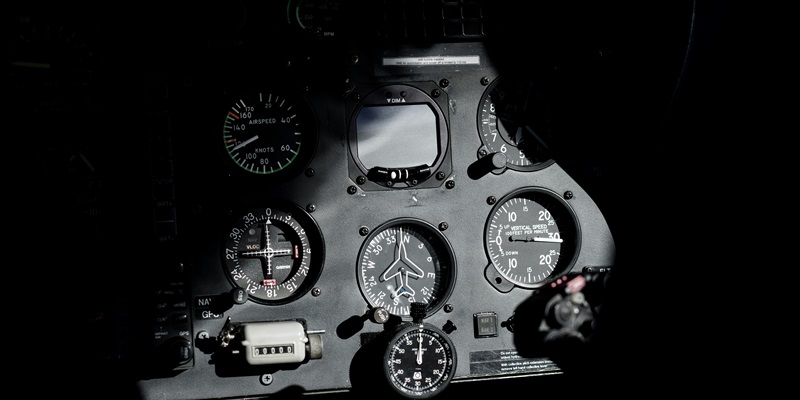
As cockpits bristle with touchscreen interfaces and digital displays, flight crews are redefining their relationship with flying machines. Where once a pilot’s primary concern was the mechanics of flight, now it’s about understanding and managing the layers of technology that govern modern aircraft. This evolution necessitates a profound shift from manual dexterity to digital acuity—a trend mirrored across the profession.
The human element remains irreplaceable, as evidenced by the need for human oversight in interpreting the outputs of automation systems. Still, the job description of aviation professionals is undergoing a significant rewrite. The ability to collaborate effectively with a crew of silicon counterparts is not just an additional competency—it’s becoming the bedrock of modern aviation roles.
Preparing for Technologies of Tomorrow
In this digital epoch, aviation professionals face a constant learning curve as they keep pace with rapid technological advancements. Training programs and professional development must, therefore, be rooted in adaptability, fostering a mindset that’s as much about perpetual learning as it is about aeronautical science. This readiness to evolve is what will keep professionals at the vanguard of industry innovation.
Investments in technology within aviation will surge, with reports like Deloitte’s 2023 Airline Tech Trends underscoring the competitive advantage afforded by tech adeptness. Such advancements will encapsulate everything from passenger processing to the environmental footprint of airlines, mandating a workforce that’s not just comfortable with technology but one that’s capable of harnessing its full potential. In this ever-changing technological vortex, those equipped to ride the digital thermals will define the future of flying.