

A New Digital Frontier
The landscape of American technology is being redrawn not in Silicon Valley but on 760 acres of land near Little Rock Arkansas where a historic investment is poised to create a new digital hub. Data center developer Avaio Digital Partners is spearheading a project of unprecedented scale in the state, signaling a major shift in where the nation’s critical digital infrastructure is being built. This initiative, known as Avaio Digital Leo, promises to reshape the region’s economy and its role in the tech industry.
This article serves as a guide to understanding this monumental development. It addresses the most pressing questions surrounding the project, from its immense scope and aggressive timeline to its long-term implications for both Arkansas and the broader data center market. Readers can expect a clear, comprehensive overview of what this multi-billion-dollar investment entails and why it matters.
Key Project Insights
What Is the Scope of the Avaio Digital Leo Project
The Avaio Digital Leo campus is a massive undertaking, representing the single largest economic investment in Arkansas’s history. The project will unfold on a 760-acre site near Little Rock, with a projected total investment expected to surpass $21 billion upon full build-out. The initial phase alone involves a combined $6 billion commitment from Avaio and its future customers, establishing a powerful foundation for the campus.
This development does more than just inject capital into the local economy; it fundamentally alters the state’s position in the technology sector. Historically, Arkansas has had a limited data center presence. However, this project catapults the state directly into the hyperscale market, a domain typically reserved for established technology hubs. This move reflects a growing industry trend of expanding into new regional markets to meet escalating demand for data capacity.
What Are the Key Timelines and Power Requirements
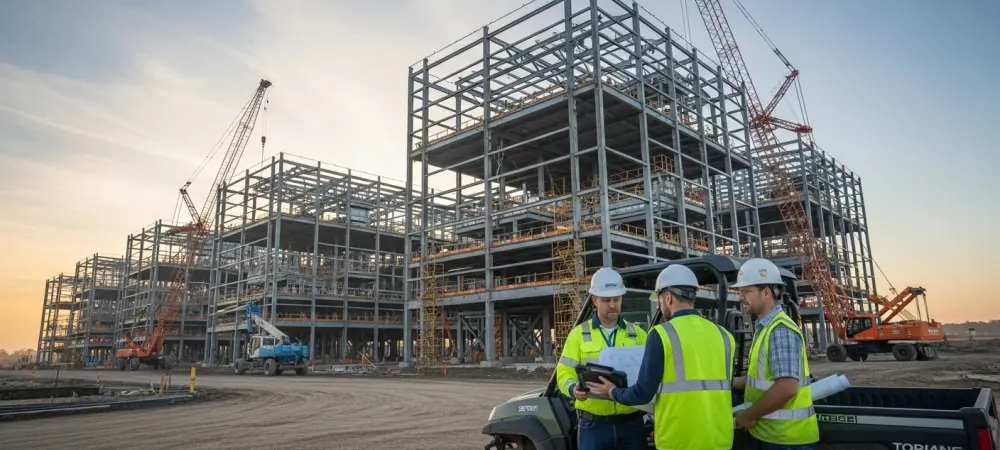
Construction of the Avaio Digital Leo campus is already underway, with crews breaking ground early this year. The development is on a fast-tracked schedule, with the first phase slated to become fully operational by June 2027. This rapid timeline underscores the urgent need for new data center capacity to support the growth of artificial intelligence and other data-intensive technologies.
Moreover, the project’s power requirements are staggering, highlighting the immense energy demands of modern computing. Avaio has secured an initial 150 megawatts (MW) from Entergy Arkansas, but the campus’s ultimate consumption is projected to scale up to an incredible 1 gigawatt (GW). To support this, significant on-site natural gas infrastructure is being developed, ensuring a reliable and robust power supply for what will become a critical piece of digital infrastructure.
Why Is This Development Significant for Arkansas
The consensus among state and corporate leaders is that this project is a transformative opportunity for Arkansas. Governor Sarah Huckabee Sanders has emphasized that this historic investment positions the state to become a competitive “technology powerhouse,” shifting its economic identity. The development is expected to create a significant number of high-tech jobs and foster a new ecosystem of related businesses and services.
Beyond the direct economic injection, the project promises wider benefits for the region. Laura Landreaux, the CEO of Entergy Arkansas, noted that such a large-scale industrial customer could help stabilize and potentially lower energy costs for all customers in the long term. Consequently, the Avaio campus represents not just a corporate investment but a foundational pillar for sustained economic growth and prosperity across the state.
Summary of the Initiative
The Avaio Digital Leo project represents a watershed moment for Arkansas, driven by a historic $21 billion investment that redefines the state’s economic landscape. With plans for a 1-gigawatt campus and an aggressive construction timeline, this initiative is a direct response to the global demand for more data processing power.
This development is more than just a local success story; it exemplifies a broader strategic shift within the technology industry toward geographic diversification. As Avaio builds this major capacity hub, it provides a compelling blueprint for how emerging markets can attract monumental investments and become central players in the digital economy.
Final Reflections
The announcement and subsequent development of the Avaio data center campus marked a pivotal turning point. It was the culmination of strategic corporate planning by Avaio Digital Partners and a proactive, business-friendly approach from state leadership, who successfully positioned Arkansas as an ideal location for such a landmark project.
Ultimately, this initiative did more than construct buildings; it built a new legacy for the region. The project established a powerful precedent for how states could leverage their resources to attract transformative technological investments, challenging the traditional geographic concentrations of the tech industry and proving that the future of digital infrastructure could be built anywhere.