

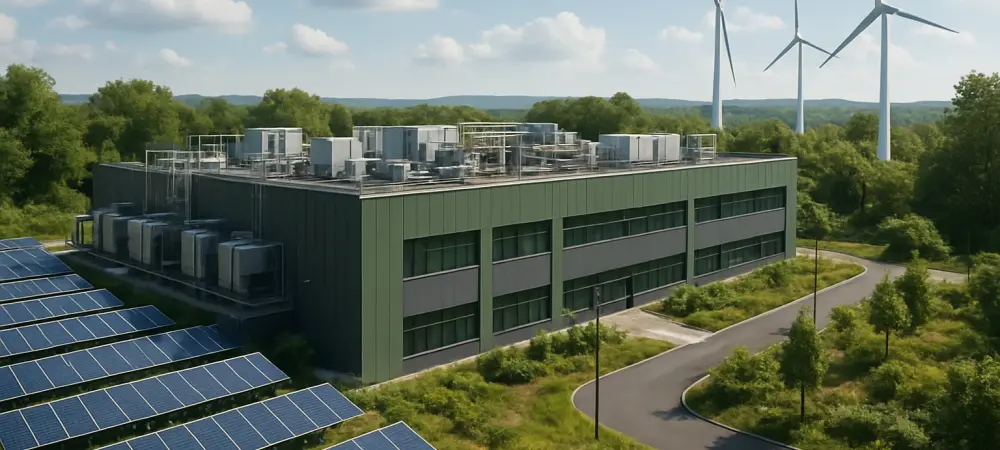
Could a small city in Washington’s Tri-Cities area become the epicenter of a groundbreaking fusion between sustainable industry and digital innovation? In Richland, Benton County, a Swiss company named Atlas Agro is betting big with a $500 million data center campus proposal, paired with a $1.1 billion fertilizer plant, promising not just economic growth but a redefinition of how technology and green energy can coexist. Picture vast data hubs powered by renewable sources, sitting alongside a plant producing low-carbon fertilizers—a bold blueprint for the future of industrial development. This ambitious plan is already stirring excitement and debate, setting the stage for a transformative chapter in the region’s history.
A Visionary Leap for a Quiet Community
Nestled in the heart of Washington state, Richland has long been tied to industrial and energy milestones, from its historical role in the Hanford Site to its modern aspirations. Atlas Agro’s proposal to build a sprawling data center campus on 275 acres, alongside an innovative fertilizer facility, marks a significant pivot toward high-tech and sustainable growth. The scale of investment—half a billion dollars for the data centers alone—signals a rare opportunity for a city eager to redefine its economic identity while embracing environmental responsibility.
This isn’t merely about constructing buildings; it’s about planting seeds for long-term prosperity. The data center project, featuring five structures each spanning 500,000 square feet, aims to meet the global surge in demand for digital infrastructure. Meanwhile, the adjacent fertilizer plant focuses on eco-friendly production, positioning Richland as a potential leader in balancing industrial might with green principles. The importance of this story lies in its potential to reshape not just a local economy but also the broader conversation on sustainable development in America’s heartland.
Why This City Stands at the Crossroads of Change
Richland’s strategic location in the Tri-Cities area, coupled with a legacy of innovation, makes it an ideal candidate for such a forward-thinking initiative. With access to renewable energy resources and a supportive local framework, the city aligns perfectly with global trends pushing for greener industrial practices and expanded digital capacity. Atlas Agro’s decision to invest here reflects a calculated move to tap into a region primed for transformation at a time when the world urgently needs solutions to both climate challenges and data demands.
Beyond geography, the timing feels right. As tech giants and environmental advocates increasingly seek integrated projects, Richland offers a canvas for experimentation. Local policies that encourage sustainable investment further sweeten the deal, creating fertile ground for companies like Atlas Agro to test ambitious ideas. This convergence of factors suggests that the city could become a model for others looking to harmonize economic progress with ecological mindfulness.
Unveiling the Dual Powerhouse Plan
At the core of Atlas Agro’s strategy are two interconnected projects designed to complement each other. The data center campus, with a $500 million price tag, will span six buildings on a vast plot, with construction slated to begin in 2027. This infrastructure is poised to address the skyrocketing need for data storage and processing, potentially attracting tech firms and creating a ripple effect of job opportunities and revenue for the local economy.
Adjacent to this, the $1.1 billion Atlas Agro Pacific Green Fertilizer plant introduces a pioneering approach to low-carbon nitrogen fertilizer production. By leveraging green hydrogen—produced through water electrolysis—and nitrogen extracted from the air, the plant will create ammonia and nitrate fertilizers using renewable energy. This method sets a new benchmark for sustainability in an industry often criticized for its environmental footprint, showcasing how innovation can redefine traditional manufacturing.
The synergy between these ventures amplifies their impact. City staff have expressed support for the $24 million land purchase agreement, though protective measures like a repurchase clause ensure accountability if timelines—such as submitting planning permissions within eight months or starting construction within 18 months—are missed. This dual initiative could elevate Richland’s profile as a hub for clean energy and cutting-edge technology, drawing further investment and talent to the region.
Voices from the Ground: Hope Tempered with Pragmatism
Financial backing for Atlas Agro’s vision speaks volumes about its credibility, with up to $325 million committed by Macquarie Asset Management for the fertilizer plant alone. This substantial investment underscores market confidence in the company’s sustainable model, suggesting that the projects are more than just conceptual dreams. Industry observers note that similar green-tech integrations in the Pacific Northwest, like data centers running on renewable grids, provide a promising precedent for success if execution aligns with intent.
Local officials, while encouraged by the potential, maintain a balanced perspective. A city spokesperson highlighted during early talks that the transformative nature of the projects hinges on tangible outcomes, emphasizing the importance of meeting deadlines and commitments. This blend of optimism and caution reflects a wider sentiment in the community, where the allure of economic boosts and sustainability is weighed against the need for accountability and real results.
Residents, too, are beginning to voice their thoughts. While some see the promise of jobs and innovation as a game-changer, others question the long-term impacts on local resources and infrastructure. These diverse perspectives paint a picture of a community grappling with the opportunities and challenges of rapid development, eager to ensure that growth benefits everyone involved.
What Lies Ahead for This Ambitious Venture
For those in Richland and beyond, Atlas Agro’s proposal offers a glimpse into a future where technology and sustainability intersect meaningfully. Engaging with this development starts with staying informed about city council decisions and public forums that will shape the projects’ trajectory. Transparency in these discussions will be crucial for understanding how the initiatives unfold and their direct effects on daily life.
Opportunities for involvement extend to preparing for the economic wave that could follow. With construction planned for 2027, now is the time to explore potential roles in tech, construction, and green energy sectors. Local training programs might soon align with these needs, offering pathways for residents to skill up. Additionally, advocating for policies that prioritize renewable integration in the data centers ensures that environmental promises are kept, allowing community input to influence outcomes.
Thinking bigger, the success of this model in Richland could inspire similar efforts in neighboring regions. Stakeholders are encouraged to consider how integrated green-tech projects might apply elsewhere, pushing for innovation in their own areas. This isn’t just a local story—it’s a potential blueprint for reimagining how communities everywhere can grow responsibly in an era defined by digital and ecological imperatives.
Reflecting on a Bold Step Forward
Looking back, the discussions around Atlas Agro’s dual projects in Richland captured a pivotal moment of ambition and caution. The proposed data center campus and fertilizer plant stood as symbols of what was possible when industry embraced sustainability as a core value. Community engagement, from public hearings to workforce preparation, played a vital role in shaping the narrative around these developments.
As the plans moved toward potential approval, the focus shifted to actionable next steps. Ensuring that timelines were met and environmental commitments honored became paramount, with city safeguards like the repurchase clause offering a safety net. For other regions watching closely, Richland’s journey offered valuable lessons on balancing growth with accountability.
Ultimately, the path forward rested on collaboration—between Atlas Agro, local leaders, and residents—to turn vision into reality. Exploring partnerships for renewable energy solutions and expanding training initiatives emerged as critical priorities. If navigated thoughtfully, this chapter in Richland’s history could inspire a broader movement, proving that sustainable progress is not just an ideal, but a practical goal worth pursuing.