

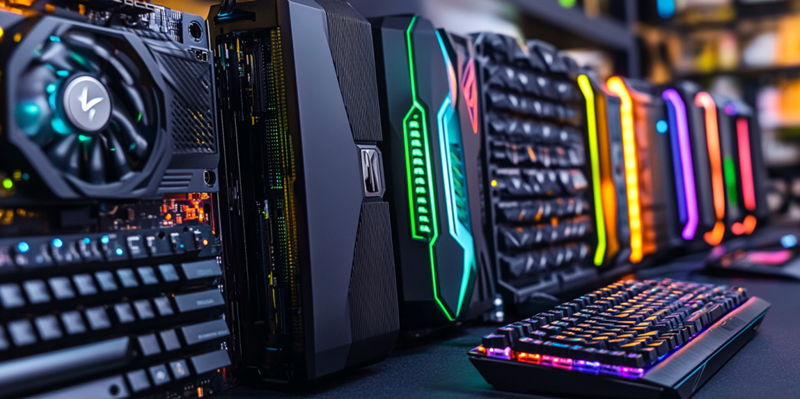
The escalating energy demands of modern high-performance computer components are driving innovation in power supply units (PSUs). Asus aims to address these challenges with the introduction of its ROG Thor III series PSUs. Designed to support the next generation of computing hardware, these PSUs promise reliability, efficiency, and user-friendly features for demanding users. The ROG Thor III series is engineered to meet the increasing energy needs of future high-performance computer components, particularly those from Nvidia and Intel.
Addressing High Power Consumption
One of the primary motivations behind the development of the ROG Thor III series is the increasing power requirements of components like Nvidia’s rumored RTX 5090 GPUs. Expected to consume up to 600W, these GPUs necessitate robust power delivery solutions. Asus’ new PSUs come equipped with PCIe 5.0 connectors and comply with the ATX 3.0 standard, ensuring they can handle the substantial power demands of future computing hardware.
The standout feature of the ROG Thor III series is the “GPU-FIRST” voltage-sensing technology, which prioritizes voltage delivery to the GPU over the CPU. Given the anticipated power consumption of upcoming GPUs, this design approach enhances system stability and performance under heavy load. Complementing the "GPU-FIRST" technology is Asus’ patented “intelligent voltage stabilizer.” This feature improves voltage delivery efficiency by up to 45%, providing stable power distribution to critical components. This advancement is particularly crucial for systems running high-performance GPUs and CPUs, as consistent voltage delivery ensures reliable performance during intensive tasks.
Advanced Voltage Management
The ROG Thor III series also boasts high energy efficiency. The 1000W and 1200W models carry an 80 Plus Platinum rating, while the 1600W model achieves a Titanium rating, the highest efficiency classification available. These ratings indicate that the PSUs convert a large percentage of input power into usable energy, reducing power loss and conserving electricity.
Energy efficiency is another critical highlight of the ROG Thor III series. The 1000W and 1200W models are 80 Plus Platinum rated, signifying high energy efficiency with minimal power loss. The more powerful 1600W model is rated at Titanium, the highest efficiency rating available. These ratings imply that the PSUs convert a significant proportion of input power into usable energy, minimizing waste and conserving electricity. Additionally, the series boasts Lambda A+ acoustic ratings, ensuring that these units operate quietly, even under substantial loads. This feature is particularly advantageous for gamers and professionals who require powerful yet silent systems.
Quiet and Efficient Cooling
Another highlight of the ROG Thor III PSU series is the incorporation of a 135 mm axial-tech fan with a 0dB mode. This cooling system not only optimizes airflow but also minimizes noise levels, making these PSUs ideal for users who demand high performance without the distraction of loud fan noise. A quiet cooling system is a significant benefit for users who find the noise from fans particularly bothersome during intense gaming sessions or professional work.
The cooling mechanism in the ROG Thor III series is handled by a 135 mm axial-tech fan, which comes with a 0dB mode. This mode optimizes cooling efficiency and lowers noise levels, preventing unnecessary disturbances during high-performance tasks. The reduced noise ensures a more pleasant and less distracting environment, allowing users to focus on their work or gameplay. This feature is particularly advantageous for gamers and professionals who require powerful yet silent systems.
User-Friendly Features
In terms of usability, the ROG Thor III series includes several user-centric features. They come with native 12VHPWR connectors, eliminating the need for adapters and simplifying the installation process. Additionally, these PSUs feature an integrated OLED display that provides real-time power usage data, offering users valuable insights into their system’s performance.
The PSUs also support ARGB lighting, customizable via Asus’ Aura Sync software. This allows users to personalize the appearance of their systems, enhancing both aesthetics and functionality. These features contribute to a cleaner, more organized build layout and an overall improved user experience.
Pairing with High-End Components
Asus’ strategy with the ROG Thor III series aligns with the release of high-end components like the ROG Maximus Z890 Extreme motherboards. These motherboards are designed to pair with Intel’s Arrow Lake CPUs and Nvidia’s RTX 5090 GPU, signaling Asus’ commitment to providing comprehensive solutions for high-performance builds.
By delivering robust and reliable power, the ROG Thor III series ensures that users can achieve peak system performance without compromising on stability or efficiency. This is particularly pertinent for enthusiasts and professionals who rely on their systems for demanding tasks and gaming sessions. These insights underline Asus’ strategy to cater to high-end system builds that require robust and reliable power solutions.
Considerations for Potential Buyers
While the technological advancements in the ROG Thor III series are impressive, there are considerations for potential buyers. The high wattage of these PSUs means they are designed to deliver substantial power, which could result in increased energy consumption. Given the current trend of rising energy costs, this is a factor that prospective buyers need to evaluate carefully.
However, for users who need to power high-end components, the ROG Thor III series represents an investment in cutting-edge performance and reliability. Weighing the benefits of advanced features against potential operating costs will help buyers make informed decisions about their power supply needs. Therefore, while the PSUs are an excellent investment for those needing to power high-end components, they may lead to increased electricity bills.
Conclusion
The increasing energy demands of modern high-performance computer components are pushing innovation in power supply units (PSUs). To address these evolving needs, Asus has introduced its ROG Thor III series PSUs. These new power supply units are designed to support next-generation computing hardware, offering reliability, efficiency, and user-friendly features for even the most demanding users. Specifically engineered to meet the rising energy requirements of future high-performance computer components, especially those from Nvidia and Intel, the ROG Thor III series stands out in the crowded PSU market.
Asus has taken significant steps to ensure that these PSUs not only meet but also exceed industry standards. The ROG Thor III series boasts advanced cooling solutions, high-quality components, and innovative power management technologies to offer a stable and efficient power supply. Additionally, these PSUs come with features that make them easier to manage, such as digital monitoring capabilities and modular cabling. By addressing both current and future demands, the ROG Thor III series sets a new standard in power supply technology, making it an ideal choice for enthusiasts and professionals alike.