

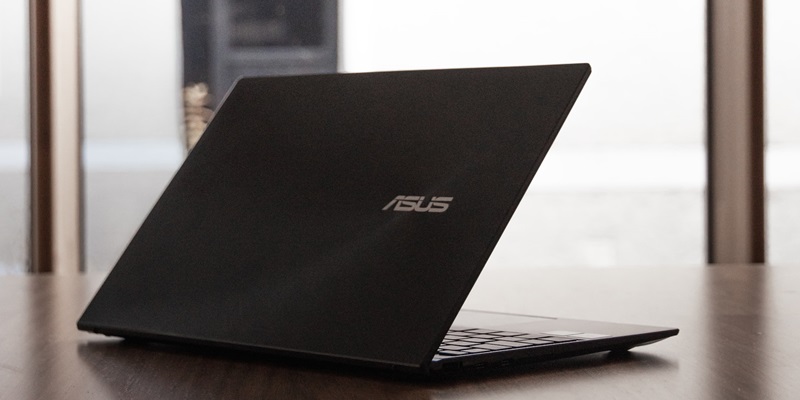
ASUS’s upcoming ROG Zephyrus G14 laptop, featuring AMD’s top Hawk Point APU, the Ryzen 9 8945HS, has been spotted in Geekbench. With its impressive specifications and performance capabilities, this laptop is set to deliver a gaming experience like no other.
Overview of AMD’s Ryzen 8040 ‘Hawk Point’ APUs
AMD’s Ryzen 8040 ‘Hawk Point’ APUs were announced earlier this month and are expected to launch in February 2024. These APUs, while sharing similarities with the current Ryzen 7040 ‘Phoenix’ APUs, come with an upgraded XDNA ‘Ryzen AI’ NPU that offers an impressive processing power of up to 16 TOPs. This enhanced NPU will pave the way for improved AI performance in various applications.
Specifications of the ROG Zephyrus G14 Laptop
The highlight of the ASUS ROG Zephyrus G14 laptop is the AMD Ryzen 9 5980HS APU. This APU boasts 8 cores based on the Zen 3 core architecture, supporting 16 threads and a clock speed that can reach up to an impressive 4.8 GHz. With 16 MB of L3 cache, this APU ensures snappy and responsive performance for demanding tasks. The default TDP of the CPU is 35W and can be configured up to 45W, making it suitable for high-end designs like the ROG Zephyrus laptops known for their exceptional cooling solutions.
Graphics Capabilities of the Ryzen 9 8945HS APU
The AMD Ryzen 9 8945HS APU features the Radeon 780M ‘RDNA 3’ integrated GPU (iGPU) with 12 compute units clocked at 2800 MHz. This iGPU offers impressive performance, rivaling Intel’s Arc Xe-LPG iGPU. However, ASUS will be offering the ROG Zephyrus G14 with a discrete graphics solution as its primary GPU, providing even greater graphics power.
Expected High-End Configurations
ASUS has hinted at offering the ROG Zephyrus G14 with high-end configurations, possibly incorporating NVIDIA’s highly anticipated RTX 40 series graphics cards. With these GPUs, the laptop will deliver an extraordinary visual experience, enabling gamers and content creators to push the boundaries of their creativity.
Memory Configuration of the Laptop
The ASUS ROG Zephyrus G14 is expected to be equipped with 32 GB of DDR5 memory, likely clocked at blazing-fast speeds of 5600 MT/s. This abundant and high-speed memory capacity ensures smooth multitasking and enhances the overall performance of the laptop.
Performance Expectations
When it comes to performance, the ASUS ROG Zephyrus G14 laptop with the AMD Ryzen 9 8945HS ‘Hawk Point’ APU is anticipated to deliver exceptional results. With its potent combination of Zen 4 core architecture and high clock speeds, this laptop is expected to handle demanding tasks with ease. Whether it’s intense gaming sessions, resource-intensive creative work, or AI processing, the Ryzen 9 8945HS will excel in every aspect.
The ASUS ROG Zephyrus G14 laptop with AMD’s Ryzen 9 8945HS ‘Hawk Point’ APU promises to be a true powerhouse, catering to gamers, content creators, and professionals in need of top-notch performance. With its impressive specifications, high-end configurations, and superior cooling solutions, this laptop is set to redefine the gaming and productivity experience. As its release approaches, the excitement among tech enthusiasts and consumers continues to build, eager to witness the unrivaled performance that this innovative device will bring to the table.