

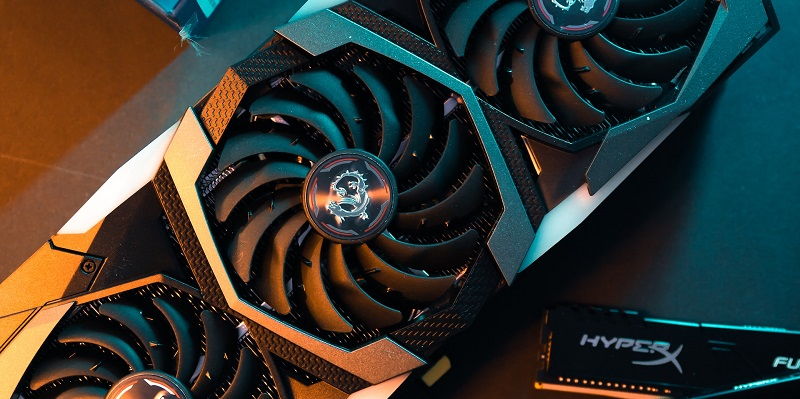
ASUS has finally unveiled its highly anticipated GeForce RTX 4070 BTF graphics card, equipped with a revolutionary cable-less design that promises to enhance the aesthetics and convenience of PC builds. This innovative graphics card removes the need for traditional wired connectors, resulting in a clean and organized setup.
Description of the GC-HPWR Connector
At the core of this cable-less design lies the GC-HPWR connector, a cutting-edge technology developed by ASUS. This connector has the capability to deliver up to 600W of power without requiring any wired connections. This breakthrough eliminates the clutter caused by cables, making cable management a breeze. Additionally, it ensures efficient power delivery and enhances overall system performance.
Aesthetics of the ASUS BTF Lineup
ASUS has always set the bar high when it comes to aesthetics, and the newest entrants in the BTF lineup are certainly no exception. The GeForce RTX 4070 BTF features a stunning white and teal color scheme that exudes elegance and sophistication. The chassis proudly displays the iconic ‘BTF’ branding, creating a visually appealing design that stands out from the crowd.
Embracing a futuristic vibe
ASUS intentionally adopts a futuristic vibe with its BTF products, aiming to appeal to tech enthusiasts and gamers who appreciate cutting-edge designs. The sleek and clean aesthetics, coupled with the striking color scheme, provide a sense of modernity and sophistication. By pushing the boundaries of conventional design, ASUS continues to innovate and captivate its audience.
GeForce RTX 4070 BTF: The Complete Package
The GeForce RTX 4070 BTF is not just a standalone graphics card but a complete package. ASUS includes a compatible motherboard, the TX Gaming B760-BTF WiFi, with the graphics card. This ensures seamless compatibility and optimized performance. The motherboard itself is the result of a collaboration between ASUS and DIY-APE, known for their remarkable design expertise. Together, they have crafted a motherboard that complements the aesthetics and functionality of the BTF lineup.
Challenges in Adoption
While ASUS’s BFT products bring forth impressive innovations, they may face some challenges with industry adoption. New designs and technologies can take time to gain widespread acceptance, especially when they deviate from traditional norms. However, ASUS’s commitment to pushing the boundaries of design and functionality is sure to overcome any obstacles and pave the way for a new era of PC builds.
Pricing and availability
ASUS has priced its BTF GPU and motherboard packages at 6,998 RMB/USD$962 in the Chinese market. As these products gain traction and their production run expands, it is likely that prices will decrease over time. Furthermore, the global release of these products will lead to wider availability, potentially resulting in adjustments to the pricing strategy.
The release of the ASUS GeForce RTX 4070 BTF graphics card marks a significant milestone in the PC building community. With its cable-less design, improved aesthetics, and innovative technologies, ASUS continues to redefine what a graphics card can be. The inclusion of a compatible motherboard further enhances the appeal of the BTF lineup. While some challenges may arise in terms of industry adoption, ASUS remains dedicated to pushing the boundaries of design and functionality. As the BTF products make their way into the hands of consumers, it is clear that ASUS is leading the way in creating a new standard for PC builds.