

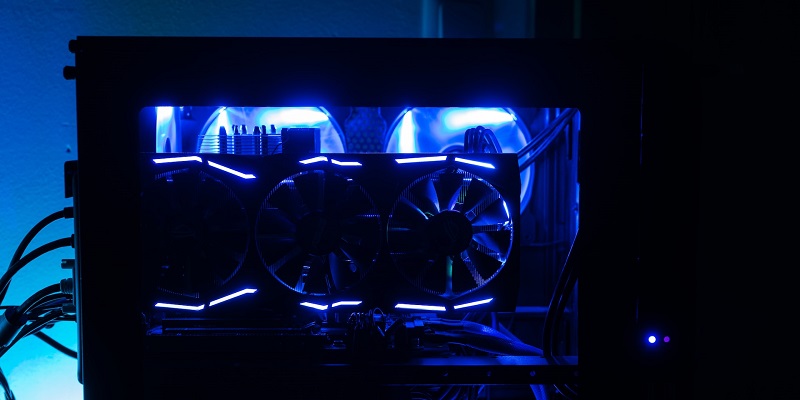
The ASUS GeForce RTX 4090 ROG MATRIX graphics card has taken the gaming world by storm with its exceptional power and performance. This beast of a card has recently achieved a brand-new world record, surpassing the previous record holder by a significant margin. Let’s delve into the specifications and features that make this graphics card an absolute powerhouse in the gaming industry.
Announcement of a new world record
Breaking all expectations, the ASUS GeForce RTX 4090 ROG MATRIX graphics card has shattered the previous world record by clocking in a massive improvement of over a thousand points. This achievement highlights the immense superiority and capabilities of this cutting-edge GPU, pushing the boundaries of gaming performance to new heights.
Impressive specifications and cooling system of the graphics card
The ASUS GeForce RTX 4090 ROG MATRIX graphics card truly stands out with its impressive specifications. During rigorous testing, the chip was run at clock speeds of up to 3885 MHz, demonstrating its astonishing processing power. Moreover, the GPU maintained remarkable temperatures, with -34.6°C for the core and an extraordinary -40.0°C on the Hot Spot. This remarkable cooling efficiency ensures optimal performance even under extreme conditions.
Furthermore, the memory of the ASUS GeForce RTX 4090 ROG MATRIX has been fine-tuned to operate at 1563 MHz or 25 GB/s, resulting in an outstanding 1.20 TB/s of bandwidth. This significant bandwidth provides gamers with unrivaled speed and efficiency, enhancing their overall gaming experience to a whole new level.
Mention of the supporting hardware and overclocking achievements
The remarkable achievements made by the ASUS GeForce RTX 4090 ROG MATRIX graphics card are further amplified by the supporting hardware it was paired with. The ASRock Z690 Aqua OC motherboard, along with DDR5-6446 memory, played an integral role in optimizing the GPU’s performance. Additionally, the Intel Core i9-13900KF CPU was overclocked to a rock-solid 7554 MHz, thanks to the robust LN2 cooling system employed during testing.
The outstanding benchmark score of the ASUS GeForce RTX 4090 ROG MATRIX GPU
When put through its paces in 3DMark Fire Strike Extreme, the ASUS GeForce RTX 4090 ROG MATRIX GPU achieved a mighty overall score of 56,489 points, solidifying its reign as the new world record holder. This remarkable score reflects the GPU’s ability to handle the most demanding gaming scenarios with ease, providing gamers with an unparalleled and immersive gaming experience.
Appreciation for the customized variants of the NVIDIA GeForce RTX 4090 GPU
The achievement witnessed with the ASUS GeForce RTX 4090 ROG MATRIX graphics card is part of a growing trend of world records set by custom variants of the NVIDIA GeForce RTX 4090 GPU. These cards have proven time and again their remarkable overclocking potential and unleashed the true potential of the GPU. The relentless pursuit by overclockers to push the limits of performance showcases not only their impressive skills but also the incredible advancements made in the world of gaming technology.
In conclusion, the ASUS GeForce RTX 4090 ROG MATRIX graphics card has proven itself to be an absolute powerhouse in the gaming world. Its remarkable specifications, including the new world record-breaking performance, highlight its capability to deliver unparalleled gaming experiences. With its exceptional cooling system, outstanding benchmark scores, and the potential unleashed by overclocking, this graphics card truly stands out as a game-changer in the industry. Gamers can look forward to pushing the boundaries of gaming performance with the ASUS GeForce RTX 4090 ROG MATRIX, revolutionizing their gaming experience like never before.