

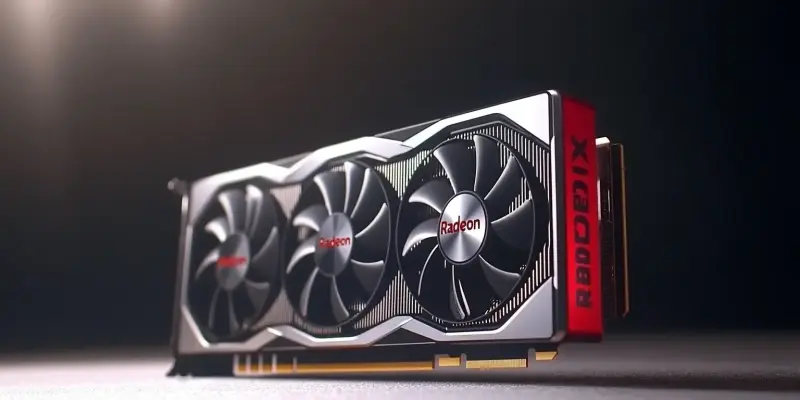
The introduction of ASRock’s next-generation Radeon RX 9070 lineup promises to elevate the standards of GPU performance, cooling efficiency, and build quality across the gaming and advanced computing markets. These highly anticipated graphics cards are not just another addition to the ASRock portfolio; they represent a strategic leap in GPU technology, aiming to cater to gamers and content creators who demand the highest levels of performance and reliability. ASRock’s Radeon RX 9070 series comprises four primary models: the Taichi, Steel Legend, Steel Legend DARK, and Challenger series. Each of these is engineered to offer competitive high clock speeds and state-of-the-art cooling solutions. Notably, the flagship Radeon RX 9070 XT boasts an impressive boost clock speed of up to 3.1 GHz, making it one of the most powerful options available to consumers.
The Taichi Series: A Flagship With Unmatched Cooling
ASRock’s Taichi series stands out as the top-tier offering within the Radeon RX 9070 lineup, characterized by a design that integrates high-end components with sophisticated cooling mechanisms. The Taichi variant’s exterior features a substantial triple-slot and triple-fan setup, optimized by the Taichi 3x cooling system. This advanced cooling technology employs various innovations, such as ultra-fit heat pipes for efficient heat dissipation, reverse spin fan technology to improve airflow, and 0dB silent cooling for quiet operation during low workloads. The fan infrastructure is designed around a robust nickel-plated copper base and includes eight heat pipes, which ensures that the GPU remains cool even under the most demanding usage scenarios.
At the heart of the Taichi’s performance capabilities is its meticulously engineered PCB (Printed Circuit Board), boasting a 16 SPS (Super Power Stage) power phase design. This ensures not just efficient power distribution but also provides stability that is critical for sustained high performance. The 16-pin power connector furthers this stability by accommodating the energy demands that high clock speeds typically entail. With these features, the Taichi series is particularly well-suited for extreme gaming setups and high-performance computing tasks, setting a new standard in GPU technology for enthusiasts and professionals alike.
The Steel Legend Series: A Balance of Performance and Durability
For those seeking a blend of performance and resilience without compromising on aesthetic appeal, the ASRock Steel Legend series offers a commendable balance. This series differentiates itself with two models: the classic white Steel Legend and the darker-hued Steel Legend DARK variant. Both maintain a similar design philosophy featuring a 2.9-slot configuration and an efficacious triple-fan cooling mechanism. One of the key points in this series is the boost clock speed, with the RX 9070 XT variant offering up to 2970 MHz and the standard RX 9070 reaching up to 2700 MHz. These clock speeds are indicative of the card’s capacity for handling high-intensity gaming sessions and intricate computational tasks.
ASRock has invested greatly in reinforcing the structural integrity of the Steel Legend models. Each card is equipped with a reinforced metal frame, signifying a strong commitment to durability. This attention to durability ensures that the device can endure extended periods of high-performance use without compromising on stability or performance quality. Enhanced cooling features, including substantial heat sinks and robust airflow designs, further augment the card’s stability. For gamers and professionals who require consistent performance, the Steel Legend series presents a dependable choice.
The Challenger Series: Compact Design and Robust Performance
Shifting focus to a more mainstream consumer base, ASRock’s Radeon RX 9070 Challenger series offers a compact yet powerful alternative within the RX 9070 family. The Challenger series is characterized by its 2.5-slot setup paired with a triple-fan design, adept at maintaining optimal temperatures even during intense use. The combination of Striped Axial fans and ultra-fit heat pipes ensures efficient cooling within a more compact frame, making it suitable for smaller gaming rigs and limited space environments. This focus on compactness does not come at the expense of performance; the Challenger series achieves an impressive maximum boost clock of 2520 MHz.
Components quality remains a priority within the Challenger series, boasting a high-grade metal backplate that not only provides structural support but also aids in heat dissipation. This design choice emphasizes durability in a more compact form factor, ensuring the Challenger series maintains reliability and performance. These GPUs embody ASRock’s commitment to delivering versatile options that cater to different market needs, all while ensuring a high level of performance and cooling efficiency.
Broad Technological Advancements and Market Impact
ASRock’s Taichi series is the pinnacle of the Radeon RX 9070 lineup, renowned for combining high-end components with advanced cooling systems. The Taichi model features a robust design with a triple-slot, triple-fan configuration, enhanced by the Taichi 3x cooling technology. This sophisticated cooling system incorporates several innovations, such as ultra-fit heat pipes for optimal heat dissipation, reverse spin fan technology to boost airflow, and 0dB silent cooling for quiet operation during low workloads. The cooling infrastructure, built on a sturdy nickel-plated copper base with eight heat pipes, ensures the GPU stays cool even under heavy use.
The heart of the Taichi’s performance lies in its expertly designed PCB (Printed Circuit Board), which includes a 16 SPS (Super Power Stage) power phase design. This not only ensures efficient power distribution but also delivers the stability needed for continuous high performance. A 16-pin power connector supports the power requirements of high clock speeds. These features make the Taichi series ideal for extreme gaming and high-performance computing, setting a new standard in GPU technology for both enthusiasts and professionals.