

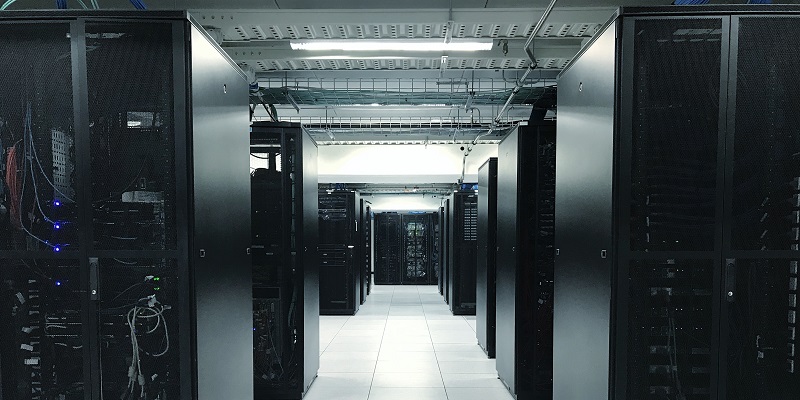
In an era driven by data, the demand for efficient cooling technologies in data centers has never been more crucial. Recognizing this need, the Advanced Research Projects Agency-Energy (ARPA-E) created the COOLERCHIPS program. This groundbreaking initiative aims to develop transformational, highly efficient, and reliable cooling technologies for data centers. By addressing the critical issue of excessive heat generation, COOLERCHIPS seeks to revolutionize the way data centers dissipate heat and improve energy efficiency.
The Impact of Deep Learning Accelerator (DLA) Systems on Heat Production in Data Centers
The rapid advancements in deep learning and artificial intelligence have led to the proliferation of deep learning accelerator (DLA) systems. These systems, including GPUs, Tensor Processing Units (TPUs), and others, play a pivotal role in data-intensive tasks. However, they contribute significantly to the heat generated within data centers, posing a challenge to efficient cooling strategies.
Energy Consumption for Cooling in Data Centers
Data centers are power-hungry facilities that require substantial energy to cool their ever-increasing computing demands. Astonishingly, more than 40% of the energy consumed by data centers is dedicated to powering cooling and ventilation systems. This enormous energy consumption not only strains power grids but also contributes to detrimental carbon emissions.
Overview of the Data Center Cooling Market
According to a Global Markets Insight report, the data center cooling market had a valuation of $10 billion in 2022. This figure underscores the growing demand for innovative cooling solutions as data centers continue to multiply worldwide. With the relentless growth of data-intensive technologies, efficient cooling becomes indispensable to ensure optimal performance and sustainability.
Objectives of the COOLERCHIPS Program
The primary objective of the COOLERCHIPS program is to minimize the power used for cooling in data centers. Current practices allocate approximately 33% to 40% of total energy consumption for cooling, a figure that COOLERCHIPS aims to reduce to a mere 5%. By achieving this substantial reduction, data centers can optimize energy utilization, enhance operational efficiency, and significantly reduce their environmental footprint.
Projects under the COOLERCHIPS Program
The COOLERCHIPS program encompasses a range of projects designed to advance cooling technologies for data centers. These initiatives focus on the development of cutting-edge solutions, including secondary cooling loop components, cooling system software, cooling systems tailored to modular/edge data centers, and dedicated support facilities for testing and validating these new technologies.
Support from U.S. Secretary of Energy Jennifer M. Granholm
U.S. Secretary of Energy Jennifer M. Granholm emphasized the importance of developing solutions to cool data centers efficiently and reduce associated carbon emissions. She highlighted the vital role of such technological breakthroughs in combating climate change and securing a clean energy future for all.
Significance of Research and Funding for Data Efficiency
The allocation of research and funding resources towards enhancing data efficiency is pivotal in addressing the energy challenges faced by data centers. By seeking innovative cooling technologies and optimizing energy utilization, the COOLERCHIPS program offers a pathway to reduce operational costs and improve data center efficiency at scale.
Unaddressed Concerns Regarding Non-Toxic and Affordable Fluids for Liquid Cooling
While the COOLERCHIPS program aims to transform cooling strategies, some concerns remain unaddressed. Chief among these concerns is the availability of non-toxic and affordable fluids for liquid cooling. Finding sustainable alternatives to conventional coolant solutions is necessary to ensure the holistic sustainability of data centers.
Potential Benefits of Reduced Electricity Consumption in Data Centers
Even a marginal reduction in electricity consumption, such as 5% or 10%, can yield substantial savings and enhance the overall efficiency of data centers. The reduced energy demand for cooling not only translates to significant cost savings but also alleviates strain on power grids and reduces carbon emissions associated with energy generation.
ARPA-E’s COOLERCHIPS program represents a vital step towards transforming the cooling landscape of data centers. By integrating innovative cooling technologies, data centers can embrace sustainability, reduce their environmental impact, optimize energy utilization, and bolster operational efficiency. The advancements made through COOLERCHIPS will pave the way for a cleaner, more energy-efficient future for the data-driven world.
In conclusion, the COOLERCHIPS program fosters collaboration and innovation to address the critical challenges faced by data centers in efficiently managing the heat generated. As technology continues to evolve, the need for robust cooling solutions becomes increasingly paramount. The COOLERCHIPS initiative serves as a catalyst for research, development, and implementation of revolutionary cooling technologies, ensuring the sustainable growth of data centers in an ever-expanding digital landscape.