

In an exciting development, Armada, a technology startup, is set to revolutionize real-time data processing capabilities for off-the-grid sites such as oil rigs and battlefields. With its portable Galleon data centers, Armada aims to provide these remote locations with the same level of data processing capabilities usually found in areas with terrestrial connectivity.
Description of Galleons
Armada’s Galleons are set to be a game-changer in the industry. Unlike traditional multi-purpose data centers housed in large buildings, these portable Galleons will be roughly the size of shipping containers, measuring around nine meters in length. This compact size makes them considerably smaller and more versatile than their counterparts.
The benefits of these portable Galleons are numerous. Their size and portability allow for easy transportation and installation, making them ideal for deployment in challenging and remote environments. These Galleons will enable oil rigs, battlefields, and other off-the-grid locations to conduct real-time data analysis and processing, improving operational efficiency and decision-making processes.
Utilizing SpaceX’s satellites for global connectivity
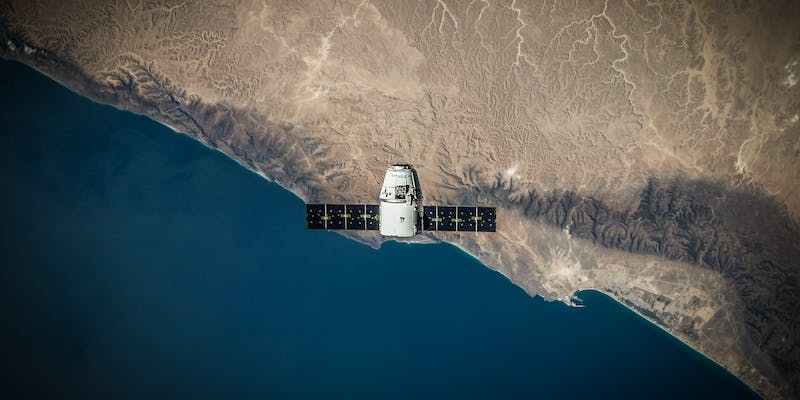
Armada plans to leverage SpaceX’s cutting-edge satellite technology to ensure global connectivity for its Galleon data centers. By utilizing SpaceX’s satellites, Armada can provide reliable and high-speed connectivity to its customers in remote areas.
To manage and oversee multiple Starlink deployments across their business, Armada will provide customers with an operating system specifically designed for this purpose. This operating system will integrate seamlessly with SpaceX’s satellite network, offering a comprehensive and efficient solution for global connectivity and data management.
Funding Round and Investors
Armada’s funding round was led by Founders Fund, an early investor in SpaceX. Several prominent venture capital firms, including Lux Capital, Shield Capital, and 8090 Industries, also participated in the round, highlighting the confidence in Armada’s innovative approach.
The involvement of Founders Fund and other venture capital firms with deep ties to the technology industry further demonstrates the potential that Armada’s portable Galleon data centers hold for transforming off-the-grid connectivity and data processing.
Potential partnership with SpaceX
While Armada has declined to confirm any partnership with SpaceX, it is evident that their reliance on SpaceX’s satellite technology suggests a close relationship between the two companies. SpaceX, for its part, has remained tight-lipped about its involvement with Armada. The potential synergy between Armada and SpaceX opens up exciting possibilities for the future of off-the-grid data processing.
Armada’s location and employee base
Headquartered in Bellevue, Washington, Armada has strategically positioned itself close to SpaceX’s Starlink satellite production facility. This proximity allows for efficient collaboration and potential technological advancements. With the majority of its 60 employees based in Bellevue, Armada benefits from the expertise and talent pool available in the technology hub near Seattle.
Leadership of Armada
The venture is spearheaded by co-founder Dan Wright, a seasoned executive with extensive experience in the technology industry. He previously served as the CEO of DataRobot, an artificial intelligence software provider.
Controversy surrounding Wright’s departure from DataRobot
Wright’s appointment as the leader of Armada comes after his resignation from DataRobot and a series of layoffs at the company. His departure was marred by employee uproar over news that he and other DataRobot executives sold stock when the company’s private valuation hit its peak at $6.3 billion. Despite this controversy, Wright’s track record and expertise make him a valuable asset in leading Armada toward success.
Additional investors in Armada’s fundraising
Apart from the leading venture capital firms, Armada also secured funding from early-stage investors such as Felicis, Contrary, Valor Equity Partners, Marlinspike, 137 Ventures, Koch Real Estate Investments, and 8VC. The inclusion of undisclosed strategic investors further showcases the significant interest and confidence in Armada’s mission and potential.
While the details surrounding Armada’s commercial launch and key operational specifics remain undisclosed, the potential impact and possibilities it offers are tremendous. Armada’s portable Galleon data centers, leveraging SpaceX’s satellite technology, have the capacity to transform remote locations, providing real-time data processing capabilities previously confined to areas with terrestrial connectivity. With a host of prominent investors and the leadership of Dan Wright, Armada is poised to revolutionize the way off-the-grid sites access and utilize data.