

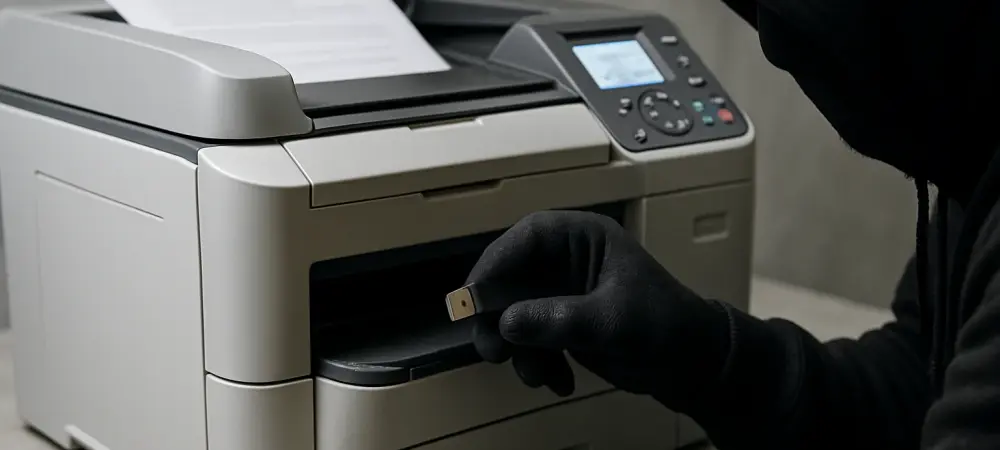
In an era where digital threats loom larger than ever, the security of even the most specialized systems can no longer be taken for granted, especially when it comes to print orchestration platforms that manage critical workflows in industries like packaging, marketing, and government operations. A recent revelation about severe vulnerabilities in a widely used print management application has sent shockwaves through the cybersecurity community, raising urgent questions about the safety of interconnected systems. These flaws, if exploited, could grant attackers unauthorized access to sensitive environments, potentially compromising entire networks. This situation serves as a stark reminder that niche technologies, often overlooked in broader security strategies, can become prime targets for malicious actors. As the digital landscape continues to evolve, understanding and addressing such risks is paramount for organizations relying on automated print solutions to maintain operational integrity and protect against breaches.
Unveiling the Threat Landscape
Critical Vulnerabilities Exposed
The spotlight has turned to Xerox’s FreeFlow Core, a pivotal application for prepress automation, following the discovery of two alarming vulnerabilities that could jeopardize large-scale print operations. Identified by a San Francisco-based cybersecurity firm specializing in penetration testing, these flaws carry significant risks due to their potential for remote exploitation. The more severe of the two, tracked as CVE-2025-8356, is a path traversal issue with a near-maximum severity score of 9.8 on the CVSS scale, indicating a critical threat that could allow attackers to execute code remotely and seize control of affected systems. This vulnerability alone poses a dire risk to organizations that depend on seamless print workflows, as it could open the door to broader network intrusions. The urgency to address this issue cannot be overstated, as the ease of exploitation makes it a prime target for cybercriminals seeking to infiltrate connected infrastructure.
Beyond the primary flaw, a second vulnerability, identified as CVE-2025-8355, compounds the concern with a CVSS score of 7.5, stemming from improper handling of XML input that could enable server-side request forgery attacks. Unlike the first issue, which focuses on direct system control, this flaw could allow attackers to manipulate internal systems indirectly, potentially accessing unauthorized resources or data. Discovered after unusual network activity was flagged by a customer’s security software, these issues were initially mistaken for false positives before rigorous investigation confirmed their origin in the FreeFlow Core software. The interconnected nature of print systems, often requiring open access to other networked components, amplifies the danger, as a breach here could serve as a gateway to more extensive compromises. This scenario underscores the need for heightened awareness around specialized software that might not traditionally be prioritized in security protocols.
Broader Implications for Cybersecurity
The exposure of these vulnerabilities highlights a troubling trend in the cybersecurity landscape, where specialized hardware and software components are increasingly targeted by malicious actors. Print management systems like FreeFlow Core, while critical to operational efficiency in sectors such as universities and marketing, often lack the robust security scrutiny applied to mainstream IT infrastructure. This oversight can create blind spots that attackers are quick to exploit, using compromised systems as entry points to infiltrate larger networks. The potential fallout from such breaches extends beyond immediate data loss, risking operational downtime and reputational damage for affected organizations. As cyber threats grow more sophisticated, the need to extend comprehensive security measures to all facets of technology becomes undeniable, regardless of their perceived significance.
Moreover, this incident reflects a growing consensus among security experts that niche systems are no longer safe havens from cyber threats, necessitating a shift in how organizations approach risk management. Historically, the focus has been on protecting core IT assets, but the reality of interconnected environments means that even peripheral systems can have outsized impacts if compromised. The vulnerabilities in FreeFlow Core serve as a wake-up call, illustrating how a single weak link can undermine an entire security posture. Experts advocate for a holistic strategy that includes regular audits and threat assessments for all operational technologies, ensuring that no system is left vulnerable. This evolving threat landscape demands proactive vigilance to safeguard critical infrastructure against emerging risks that exploit overlooked areas.
Swift Responses and Protective Measures
Immediate Actions by Xerox
In response to the identified threats, Xerox acted decisively by issuing a security bulletin and releasing an update to address the critical flaws in FreeFlow Core, urging customers to upgrade to version 8.0.5 without delay. This patched version incorporates fixes for both vulnerabilities, aiming to close the window of opportunity for potential attackers seeking to exploit these weaknesses. A spokesperson from Xerox emphasized the company’s dedication to maintaining high security standards, affirming that continuous monitoring and rapid resolution of such issues remain top priorities. This swift reaction demonstrates a commitment to protecting users, particularly in industries where print systems play an integral role in daily operations, and where any disruption could have cascading effects on productivity and data integrity.
For organizations unable to implement the update immediately, additional guidance has been provided to mitigate risks in the interim. Restricting access to specific services, such as the JMF Client service that operates on a default port, has been recommended as a temporary safeguard to limit exposure. Cybersecurity researchers involved in uncovering these flaws have echoed the urgency of applying the patch, noting that the vulnerabilities are straightforward to exploit, making delays in updating particularly hazardous. This collaborative effort between Xerox and security experts highlights the importance of timely communication and actionable advice in addressing critical threats, ensuring that users have multiple avenues to protect their systems while working toward full compliance with the latest software version.
Building a Resilient Defense
Looking back, the rapid response to the vulnerabilities in Xerox’s FreeFlow Core application marked a significant moment in reinforcing the importance of timely updates and robust cybersecurity practices in safeguarding specialized systems. The patched version 8.0.5 provided a critical barrier against potential remote code execution and server-side request forgery attacks that could have compromised interconnected environments. Reflecting on this incident, it became evident that the collaborative efforts between Xerox and cybersecurity researchers played a vital role in mitigating immediate risks, offering both a solution and interim protective measures for affected users. This case served as a powerful reminder of how even niche technologies can become focal points for cyber threats, urging a reevaluation of security priorities across all operational tools.
As a forward-looking step, organizations were encouraged to adopt a proactive stance by integrating regular software updates and comprehensive security audits into their operational frameworks. Establishing strict access controls and monitoring network activity for anomalies can further fortify defenses against similar vulnerabilities in the future. Additionally, fostering a culture of cybersecurity awareness ensures that all stakeholders remain vigilant, ready to respond to emerging threats with speed and precision. By learning from past challenges, businesses can build resilient systems capable of withstanding the evolving tactics of malicious actors, securing not just print orchestration platforms but the broader digital ecosystem they support.