

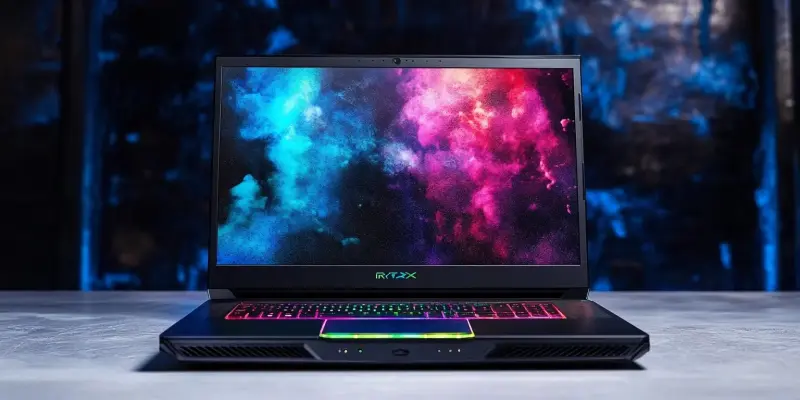
In an exciting turn of events, early listings have surfaced on Best Buy’s website showcasing the latest NVIDIA RTX 50-based gaming laptops, hinting at the soon-to-be-released machines set to redefine gaming experiences. These high-end models from well-regarded manufacturers such as ASUS and HP are equipped with state-of-the-art Intel Core Ultra or Ryzen AI 9 CPUs paired with the cutting-edge NVIDIA RTX 50 GPUs. The RTX 50 series desktop GPUs are scheduled for availability starting January 30, followed by the release of laptop variants in March. However, it appears that Best Buy jumped the gun, listing nine gaming laptops prematurely, which suggests that manufacturers already have their inventories ready and raring to go.
The ASUS ROG Strix G16, starting at $1,899, is a notable entry among these powerful machines, equipped with the RTX 5070 Ti and Ryzen AI 9 HX 370 processor. On the other hand, the Zephyrus series presents a similar model but with an Intel Core Ultra 9 processor, adding an OLED panel, 16 GB RAM, and 1 TB storage for a price of $2,199. These combinations of specifications assure gaming enthusiasts of exceptional performance and impressive visual output, setting the stage for immersive gaming sessions. The early appearance of these listings not only raises anticipation but also attests to the readiness of these manufacturers in leveraging advanced gaming technologies.
The High-End Entries: ASUS and HP Models
Distinguishing itself from its peers is the HP OMEN Max 16, priced at $2,699. This model boasts an Intel Core Ultra 9 275HX and RTX 5080, promising an exceptional gaming experience with unparalleled processing power. Additionally, ASUS’s ROG Strix G18, costing $2,899, ups the ante with higher storage capacity and a 240 Hz display, enhancing both speed and visual quality. These machines are crafted to meet the demanding needs of serious gamers, ensuring that no detail or performance metric is compromised. The differences in pricing and specifications offer a range of choices, catering to varying preferences and budgets without sacrificing essential features.
Venturing into the premium segment, variations of the ROG Zephyrus G16 cross the $3,000 threshold. These models feature OLED 2.5K displays running at 240 Hz, accompanied by either RTX 5080 or RTX 5090 GPUs, promising an environment of unparalleled gaming graphics and smooth performance. Topping the line is the ROG Strix SCAR 18, a flagship model priced at $4,199. This laptop includes top-tier specs similar to the high-end Zephyrus G16, ensuring that gamers receive the best possible hardware for their investment. The commitment to cutting-edge technology is evident in every aspect of these machines, from display quality to processing prowess, resulting in a lineup of laptops that can seamlessly handle the latest games and applications.
Trends in Gaming Laptop Technology
In an exciting development, early listings on Best Buy’s website have revealed the upcoming NVIDIA RTX 50-based gaming laptops, hinting at groundbreaking devices poised to enhance gaming experiences. These premium models from top manufacturers like ASUS and HP feature the latest Intel Core Ultra or Ryzen AI 9 CPUs paired with the advanced NVIDIA RTX 50 GPUs. The release of the RTX 50 series desktop GPUs is set for January 30, followed by laptop versions in March. However, Best Buy appears to have listed nine gaming laptops early, indicating that manufacturers are ready for launch.
Among these powerful devices, the ASUS ROG Strix G16 stands out, starting at $1,899 and equipped with the RTX 5070 Ti and Ryzen AI 9 HX 370 processor. Alternatively, the Zephyrus series offers a comparable model featuring an Intel Core Ultra 9 processor, an OLED panel, 16 GB of RAM, and 1 TB of storage, priced at $2,199. This impressive combination of specifications guarantees exceptional performance and stunning visuals, promising immersive gaming experiences. The early listings not only heighten excitement but also demonstrate manufacturers’ readiness to utilize advanced gaming technologies.