

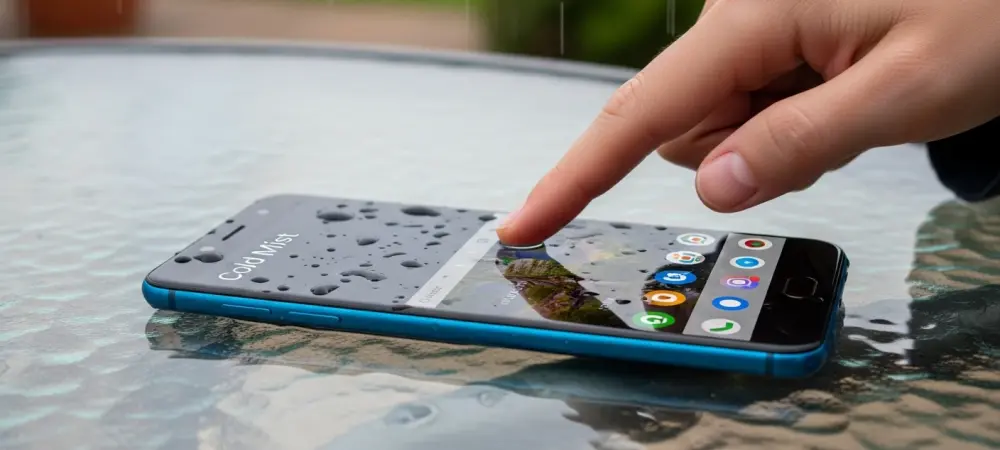
Finding a smartphone that balances modern 5G connectivity with a battery capable of lasting several days often feels like a compromise between high prices and limited performance, but the recent debut of Xiaomi’s latest budget entries aims to change that dynamic. The expansion of the Redmi lineup in the Chinese market introduces the R70 5G and the R70m 5G, two handsets that lean heavily into the essential needs of power users and media consumers alike. At the heart of these devices lies an expansive 6.9-inch HD LCD panel, which offers a 120Hz refresh rate to ensure smooth scrolling and responsive gaming sessions. To combat the common frustration of using a phone in humid or rainy environments, the manufacturer integrated specialized Wet Hand Touch 2.0 technology. This ensures that the screen remains functional even when droplets of water are present. With a peak brightness of 800 nits, the display remains legible under direct sunlight, addressing a frequent complaint in the entry-level segment.
Technical Performance and Distinct Hardware Variations
Beneath the glass, both smartphones utilize the 6nm Unisoc T8300 chipset, a processor designed to offer a stable balance between energy efficiency and the processing power required for modern applications. This silicon is paired with the Mali G57 GPU, providing enough graphical muscle to handle casual gaming and high-definition video playback without significant thermal throttling. Both devices ship with the latest iteration of the software ecosystem, Xiaomi HyperOS 3, which optimizes system resources to maintain a fluid user experience over long-term use. While the exterior aesthetics and camera hardware are identical—featuring a functional 13-megapixel primary sensor and an 8-megapixel front-facing camera for video calls—the internal configurations create a clear distinction for different user tiers. The standard R70 5G offers flexible memory options starting at 4GB and reaching up to 8GB of RAM, while the R70m 5G caters to those requiring more multitasking headroom with a 12GB RAM ceiling.
Power Management and Market Positioning Strategies
Endurance remained the primary focus for these models, as evidenced by the massive battery capacities that set them apart from competitors in the budget 5G market. The R70 5G featured a robust 6,000mAh battery, whereas the R70m 5G pushed the limit further with a 6,300mAh cell. Both units supported 15W fast charging and provided 7.5W wired reverse charging, effectively allowing them to serve as emergency power banks for other small peripherals. Beyond pure power, the inclusion of NFC, Bluetooth 5.4, and multi-system GPS ensured that users did not lack essential connectivity features. Starting at approximately CNY 1,599 for the base model and CNY 1,799 for the enhanced version, these devices occupied a strategic price point. Consumers seeking a reliable secondary device or a primary phone with extreme longevity found these options compelling in various finishes like Cold Mist Blue and Star Rock Black. The strategy focused on delivering high-capacity hardware to users who prioritized long-term utility over expensive premium camera optics.