

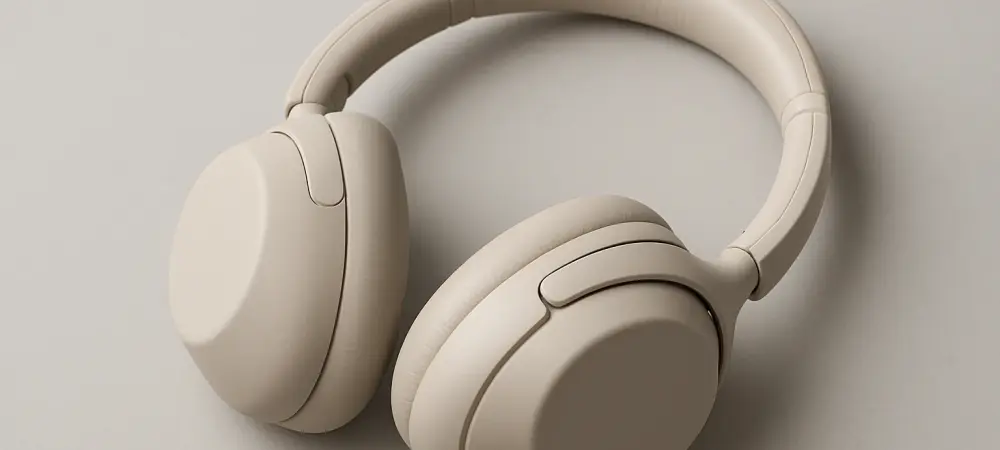
In a world where silence is a luxury, the quest for the perfect escape from noise has never been more urgent, especially when you picture a crowded Mumbai local train, the relentless honking of traffic, or the constant buzz of an open-plan office—distractions are everywhere. Amid this chaos, noise-cancelling headphones have emerged as a sanctuary for many, promising peace in the most turbulent environments. Enter Sony’s latest offering, a device that’s generating serious buzz in India’s audio market. Could this be the ultimate solution to drowning out the din?
The significance of this release lies in its timing and context. With urban noise pollution in India reaching alarming levels—studies indicate that over 60% of urban dwellers are exposed to sound levels above the safe limit of 55 decibels—premium audio gear is no longer just a want; it’s a need. Sony’s newest headphones, launched at Rs. 39,990, aim to address this growing demand with cutting-edge technology. This story explores whether this device truly stands as a game-changer in the competitive world of high-end audio.
The Noise-Cancelling Craze: Why It Matters
The obsession with noise-cancelling technology stems from a universal desire for focus and calm. Whether it’s professionals seeking uninterrupted productivity or commuters craving a moment of respite, the ability to block out the world has become a modern necessity. Market data reflects this trend, showing a 30% year-on-year growth in demand for premium headphones in India since 2025, driven by urbanization and remote work culture.
Beyond practicality, there’s an emotional pull. Headphones with advanced noise cancellation offer a personal bubble, a way to reclaim mental space in an overstimulated era. Sony’s latest model taps into this longing, positioning itself as not just a gadget but a lifestyle upgrade. The question remains: does it deliver on this promise in a market flooded with options?
India’s Growing Appetite for Premium Sound
India’s consumer electronics landscape is transforming at a rapid pace, with audio products leading the charge. As streaming services like Spotify and Apple Music dominate entertainment choices, the hunger for immersive sound experiences has skyrocketed. A recent report highlighted that the Indian headphone market is expected to grow by 25% annually from 2025 to 2027, fueled by a young, tech-savvy population.
This surge isn’t just about numbers; it reflects a cultural shift toward personalized technology. Urban noise, paired with an increase in disposable income among millennials and Gen Z, has made high-end audio devices a status symbol as much as a utility. Sony’s entry into this space with a premium-priced product raises curiosity about how it fits into the evolving preferences of Indian buyers.
Inside the WH-1000XM6: Tech That Turns Heads
Diving into the specifics, Sony’s WH-1000XM6 headphones pack a punch with features designed to impress. The HD Noise Cancelling Processor QN3, combined with 12 omnidirectional microphones, offers a significant upgrade over previous models, effectively muting external chaos. The 30mm drivers provide a frequency range of 4Hz to 40,000Hz, ensuring rich, detailed sound across genres.
Functionality extends beyond audio quality. With Edge-AI for real-time upscaling of compressed tracks, Game EQ for enhanced gaming audio, and 360 Reality Audio for cinematic immersion, the device caters to diverse users. Add a 30-hour battery life with active noise cancellation (ANC) on—extending to 40 hours without—and a foldable design with vegan leather accents, and it’s clear Sony prioritizes both performance and comfort.
Practicality shines through in connectivity options like Bluetooth 5.3 and Multi-Point pairing, alongside app-based customization via Sony Sound Connect. Available in sleek colors like Black and Platinum Silver, and priced at Rs. 39,990 across platforms like Amazon and Sony Centre, this model screams premium. But does the spec sheet translate to real-world excellence?
What Experts and Users Are Saying
Sony didn’t cut corners in crafting the WH-1000XM6, collaborating with renowned mastering studios like Sterling Sound and Battery Studios to fine-tune its sound profile. This partnership underscores a commitment to audiophile-grade quality, setting a high bar in a crowded market. Tech reviewers have praised the six-mic AI beamforming system, noting its ability to isolate voices during calls even in noisy settings.
Real-world feedback echoes this sentiment. A Delhi-based remote worker shared, “During Zoom calls in a cafe, the background chatter just disappears—it’s like magic.” The Adaptive NC Optimizer, which adjusts noise cancellation based on surroundings, has also won fans for its seamless performance in dynamic environments. Yet, some wonder if these strengths outshine competitors when put to the test in everyday scenarios.
Is This the Right Fit for Your Needs?
Deciding whether to invest in the WH-1000XM6 requires careful consideration of lifestyle and priorities. For frequent travelers or those in noisy workspaces, the superior ANC and extended battery life stand out as compelling reasons to buy. Gamers and movie enthusiasts will appreciate customizable settings through the companion app, tailoring sound to specific content.
Budget plays a crucial role in this decision. At Rs. 39,990, the headphones are a significant expense compared to mid-range alternatives. Potential buyers should evaluate key needs—be it call clarity, portability, or audio fidelity—and consider testing the product at outlets like Croma or Reliance Digital. Mapping out must-have features against cost can clarify if this premium device aligns with personal expectations.
Reflecting on the launch of Sony’s WH-1000XM6, it became evident that the headphones had carved a notable niche in India’s audio market. Their blend of advanced noise cancellation, versatile features, and sleek design had positioned them as a top contender for those seeking a high-end listening experience. Looking back, the collaboration with mastering studios and the focus on real-world usability had set a benchmark for competitors.
For those who had considered an upgrade, the next step was straightforward: weigh the investment against specific needs and explore hands-on demos to confirm the fit. For the broader industry, Sony’s innovation had signaled a push toward even more personalized and immersive audio solutions. The journey to find the perfect noise-cancelling companion continued, with this release raising the bar for what consumers could expect in the years ahead.