

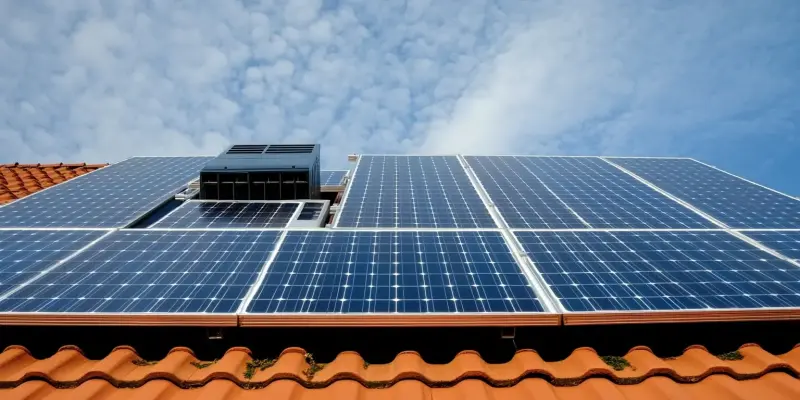
The increasing reliance on renewable energy sources like solar power has brought to light some crucial vulnerabilities in the technology that underpins these systems. Solar inverters, which convert direct current (DC) generated by solar panels into alternating current (AC) for use in electrical grids, have been found to possess significant cybersecurity flaws. These vulnerabilities could potentially be exploited by hackers to manipulate the devices, posing a serious threat to the stability and security of power grids worldwide.
Critical Risks and Vulnerabilities
Remote Code Execution and Account Takeover
Researchers from Forescout Vedere Labs have disclosed a series of cybersecurity vulnerabilities within solar inverters manufactured by Sungrow, Growatt, and SMA. These vulnerabilities, collectively termed SUN:DOWN, expose the inverters to potential remote code execution, allowing malicious actors to upload and execute arbitrary commands. For instance, SMA’s web server was found susceptible to exploitation through uploadable .aspx files, enabling attackers to gain unauthorized control over the server.
One of the critical risks involves account takeover techniques. In Growatt’s case, vulnerabilities in exposed endpoints could permit attackers to guess usernames and reset passwords, thereby gaining access to user accounts. Once inside, hackers could manipulate inverter settings, compromise data integrity, or even use the compromised inverters as a foothold to launch larger-scale cyber-attacks on the electrical grid. These scenarios underscore the importance of stringent security protocols and regular security assessments to prevent such incidents.
Insecure Practices and Hard-Coded Passwords
Solar inverters by Sungrow were found to harbor insecure encryption practices and hard-coded passwords, which are significant security lapses. Hard-coded passwords can be easily discovered and exploited by attackers to gain direct access to inverter systems. Similarly, weak or improperly implemented encryption practices leave the data traveling between devices and the cloud vulnerable to interception and tampering.
In practical terms, these weaknesses could lead to severe consequences, including unauthorized data disclosure, tampering with inverter settings, and even physical damage to solar equipment. Furthermore, if attackers are able to control substantial fleets of these inverters, they could manipulate energy production and distribution, causing widespread disruptions or blackouts.
Implications for Power Grids
Potential for Grid Disruption
The vulnerabilities identified by Forescout Vedere Labs highlight a pressing concern for the integrity and stability of power grids. Exploiting these flaws could lead to significant disruptions. For example, by compromising a large number of solar inverters, attackers could orchestrate a botnet, coordinating the inverters to destabilize the power grid. This kind of attack could manifest as erratic power outputs, leading to grid instability and potentially causing cascading failures.
A specific attack vector involving Growatt inverters could enable threat actors to hijack user accounts, take control of numerous devices, and use them to amplify their attack on the grid. Such coordinated disruptions could have far-reaching consequences, impacting not only energy consumers but also critical infrastructure that relies on a stable power supply.
Broader Threats and Mitigation
In addition to immediate threats like grid disruptions, the discovered vulnerabilities pose broader cybersecurity risks. Cyber-physical ransomware attacks targeting energy production could cripple essential services and infrastructure. These attacks blend traditional ransomware tactics with physical manipulation of hardware, amplifying their destructive potential.
To mitigate these risks, it is crucial for all stakeholders—from device manufacturers to energy providers—to implement rigorous security measures. This includes secure coding practices, regular firmware updates, and comprehensive security assessments of all connected devices and networks. Enhanced visibility and monitoring of network traffic can help identify potential intrusions before they escalate into significant threats.
Other Critical Cybersecurity Vulnerabilities
Inaba Denki Sangyo and Industrial Devices
The security issues are not limited to solar inverters alone. Similar vulnerabilities have been identified in other industrial devices. For instance, Japanese company Inaba Denki Sangyo’s production line monitoring cameras were found to have exploitable flaws. These vulnerabilities could permit unauthorized remote access, enabling malicious actors to surveil or disrupt manufacturing processes.
Such security lapses can compromise operational integrity and lead to significant financial losses. In addition to surveillance, attackers could disrupt the record-keeping of production stoppages, hampering efficiency and causing delays in manufacturing cycles. It is paramount that industries employing such devices prioritize cybersecurity to protect their operations and sensitive data.
Issues with GE Vernova, Zettler, and Wago
Devices from other manufacturers, including GE Vernova, Zettler, and Wago, also exhibited significant vulnerabilities. Exploitation of these flaws could lead to full remote control of systems, jeopardizing both operational uptime and safety. In sectors relying heavily on automated and remotely controlled systems, such as energy and manufacturing, these vulnerabilities pose a substantial risk.
The comprehensive control that hackers could achieve over these systems translates into a heightened risk of operational sabotage. Ensuring robust, secure-by-design principles in device manufacturing can curtail these risks. Regular updates, patches, and security testing are imperative to maintain the integrity of critical infrastructure.
Moving Towards Enhanced Security Protocols
Urgency for Preventive Measures
The collective revelations from various vulnerabilities across different devices emphasize the urgent necessity for improved security measures. Manufacturers and service providers need to adopt a proactive stance in identifying and mitigating security flaws. This entails comprehensive security assessments, continuous monitoring, and rapid response mechanisms to patch vulnerabilities as soon as they are detected.
One of the keys to preventing potential cyber threats is ensuring transparency in vulnerability disclosure. Collaboration between researchers, manufacturers, and regulatory bodies is vital to address these issues promptly. Building resilient systems that can withstand attacks while maintaining operational continuity is a priority for the future of interconnected industrial technologies.
Protecting Infrastructure from Future Cyber Threats
The growing dependency on renewable energy sources, particularly solar power, has highlighted some critical vulnerabilities within the underlying technology of these systems. Solar inverters play a vital role by converting the direct current (DC) output from solar panels into alternating current (AC), which is used in electrical grids. However, recent findings have revealed that solar inverters possess notable cybersecurity weaknesses. These vulnerabilities present an attractive target for hackers, who could potentially exploit the flaws to control these devices. Such malicious activities could seriously compromise the stability and security of power grids on a global scale. The significance of these risks extends beyond just technical concerns, as the potential for widespread disruption underscores the importance of enhancing the security measures integrated into renewable energy technologies. It is imperative to address these cybersecurity issues promptly to protect the growing renewable energy infrastructure from potential cyber threats, ensuring that the transition to cleaner energy sources remains both reliable and safe.