

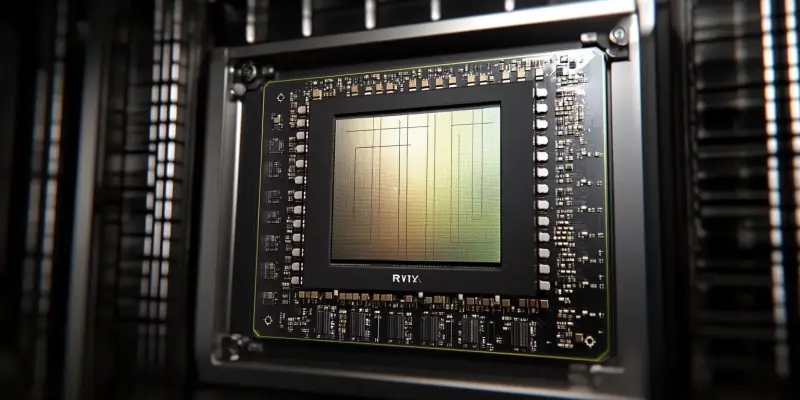
In recent developments, NVIDIA’s upcoming GeForce RTX 50 series GPUs have surfaced on ZOTAC’s website, sparking excitement and curiosity among tech enthusiasts and gamers. The early listings showcased four models: RTX 5090, RTX 5090D (geared toward the Chinese market), RTX 5080, RTX 5070 Ti, and RTX 5070. Although the detailed specifications of these models remain under wraps, some significant information has been confirmed. Notably, the RTX 5090 will boast an impressive 32GB of VRAM, an upgrade from the RTX 4090’s 24GB. Additionally, the RTX 5070 Ti is set to feature a higher VRAM capacity compared to its predecessor. This leak indicates the inclusion of GDDR7 memory in these GPUs, pointing to a substantial leap in performance and efficiency. Interestingly, ZOTAC promptly removed these details from their website, but the buzz surrounding these GPUs continues.
Key Features and Specifications
The confirmed key specifications for the RTX 50 series GPUs have generated considerable interest due to their potential to revolutionize gaming experiences. The standout feature is the VRAM capacity of the RTX 5090, which significantly increases from the 24GB in the RTX 4090 to 32GB. This substantial leap is expected to enhance the performance of gaming and professional applications, allowing for more complex and detailed graphics rendering. Moreover, the inclusion of GDDR7 memory across these models is another game-changer. GDDR7 promises higher data transfer rates, increased bandwidth, and improved power efficiency, which could translate to smoother gameplay and enhanced performance in graphics-intensive applications. The arrival of the RTX 5070 Ti, with its higher VRAM capacity, also points to NVIDIA’s commitment to providing powerful options across various price points and performance tiers, catering to a broad audience of gamers and professionals alike.
Anticipated Launch and Market Impact
As the tech community eagerly awaits the official launch, NVIDIA’s strategic release plans are of significant interest. The overarching trend suggests that NVIDIA’s Blackwell gaming GPUs are set to debut at CES 2025, marking the introduction of the first batch of these highly anticipated cards. This event is expected to generate substantial attention and set the tone for the future of gaming hardware. Following this initial launch, additional models like the RTX 5060 and 5060 Ti are expected to roll out at later dates, providing a comprehensive lineup of options for consumers. NVIDIA’s continuous preparation and staggered release strategy highlight their dedication to advancing hardware performance and staying ahead in the competitive GPU market. The implications of the leak, combined with the potential of these new GPUs, have positioned NVIDIA’s RTX 50 series as a promising contender for the future of gaming, promising to push the boundaries of what’s possible in gaming technology.