

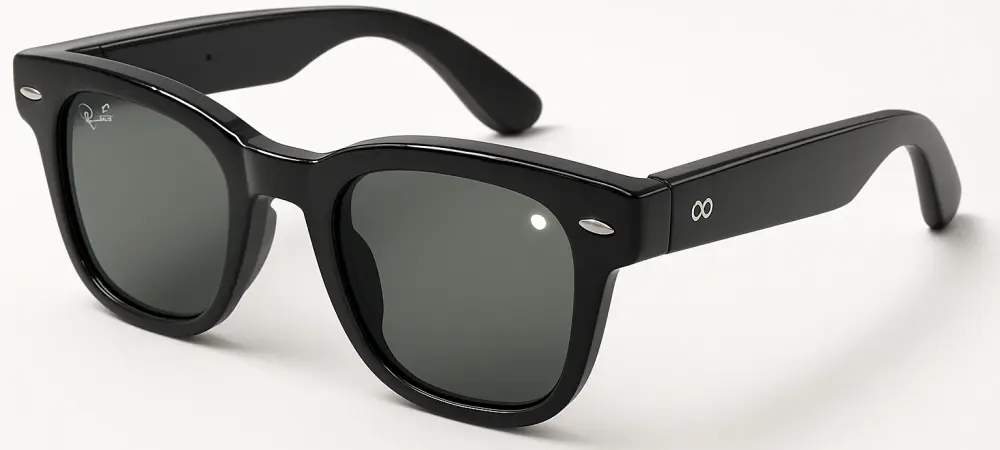
What if a pair of sleek, stylish glasses could double as a personal assistant, capturing life’s moments in stunning detail while translating conversations on the fly? Imagine strolling through a bustling city, hands-free, with real-time assistance just a voice command away, all without sacrificing a bit of style. This is the promise of the Meta Ray-Ban Gen 2 AI smart glasses—a fusion of fashion and futuristic tech that’s turning heads. As wearable technology reshapes daily interactions, these glasses emerge as a bold contender in the race for the ultimate smart eyewear.
The significance of this innovation cannot be overstated. In an era where convenience and connectivity reign supreme, smart glasses represent a leap toward seamless integration of technology into everyday life. The Meta Ray-Ban Gen 2 stands at the forefront, offering a glimpse into how personal tech can evolve beyond smartphones and smartwatches. With features tailored for content creators, multitaskers, and style enthusiasts, this product isn’t just a gadget—it’s a lifestyle upgrade. This exploration delves into whether these glasses truly redefine the wearable tech landscape.
Exploring the New Frontier of Wearable Tech
The wearable tech market has exploded in recent years, with devices becoming more intuitive and indispensable. Smart glasses, in particular, bridge the gap between utility and accessibility, allowing users to interact with digital tools without the constant need to glance at a screen. The Meta Ray-Ban Gen 2 exemplifies this shift, packing advanced features into a frame that could easily pass for high-end eyewear. It’s a testament to how far the industry has come in blending function with form.
Beyond mere convenience, this technology taps into a growing demand for hands-free solutions. Whether it’s navigating a foreign city or recording a spontaneous event, the ability to stay connected without interruption is a game-changer. The Gen 2 glasses aim to meet these needs with a design that prioritizes both practicality and aesthetics, setting a new benchmark for what smart eyewear can achieve in daily scenarios.
The Rising Importance of Smart Glasses in Modern Life
As digital dependency grows, the role of smart glasses in enhancing productivity and interaction becomes undeniable. These devices cater to a fast-paced world where multitasking is not just an option but a necessity. With the Meta Ray-Ban Gen 2, users gain access to tools that streamline communication and content capture, addressing real-time challenges without the hassle of traditional gadgets.
Consider the impact on professionals and creators who rely on instant access to information. A recent study by a leading tech research firm noted a 68% increase in engagement with hands-free devices among content creators over the past two years. This trend highlights why products like these glasses are more than a novelty—they’re becoming essential for staying ahead in a connected society.
The cultural shift toward wearable tech also reflects a desire for discreet integration. Unlike bulky headsets or obtrusive wearables, smart glasses offer a subtle way to stay plugged in. This balance of discretion and power positions the Gen 2 as a pivotal player in shaping how technology fits into personal and professional spheres.
A Closer Look at Design and Technical Prowess
Diving into the specifics, the Meta Ray-Ban Gen 2 impresses with a design that rivals premium fashion eyewear. Available in eye-catching options like Cosmic Blue and limited-edition hues such as Music Violet, alongside 27 other colors, these glasses make a statement before their tech even comes into play. The frames are crafted to appeal to style-conscious consumers who refuse to compromise on looks for functionality.
Technologically, the glasses boast a 12MP ultrawide camera capable of 3K video recording—a significant upgrade for anyone capturing high-quality footage on the go. Battery life stands out as well, offering up to 8 hours of mixed use, with 47% remaining after four hours, and a fast-charging feature that hits 50% capacity in just 20 minutes. However, the open-ear stereo speakers, while functional, don’t match the clarity of top-tier earbuds, revealing a minor chink in the armor.
AI enhancements further elevate the experience, with reduced latency in Meta AI responses and features like Live Translation and Conversation Focus for clearer audio in crowded settings. Yet, the absence of built-in prescription lens options may deter some potential users. Despite this, the balance of cutting-edge features and sleek design makes the Gen 2 a compelling package for many.
User Experiences and Expert Perspectives
Tech journalist Lance Ulanoff, with decades of experience in the field, shared valuable insights after extensive testing of the Cosmic Blue variant. “The voice commands are incredibly smooth, and capturing photos or videos with a simple button press feels effortless,” he noted. His enthusiasm for the glasses’ all-day usability underscores their appeal for those constantly on the move.
However, Ulanoff pointed out limitations that temper the excitement. “As someone who needs vision correction, the polarized lenses didn’t fully meet my needs without prescription compatibility,” he explained. This feedback echoes a broader sentiment among users who value the tech but seek more customization in fit and function, highlighting areas for future refinement.
User reviews often align with this balanced take, praising the aesthetic diversity and practical AI tools while noting drawbacks like speaker quality. Such real-world input paints the Gen 2 as a strong evolutionary step in smart eyewear, even if it doesn’t yet claim the crown of perfection. The consensus suggests a product that excels for many but leaves room for tailored improvements.
Maximizing the Potential with Practical Usage Tips
For those eager to integrate the Meta Ray-Ban Gen 2 into their routine, selecting a frame color that matches personal style is a great starting point. Whether opting for a bold limited-edition shade or a timeless classic, the visual appeal sets the tone for ownership. This choice ensures the glasses feel like a natural extension of individual expression.
To optimize performance, users should manage battery-intensive features wisely. Limiting 3K video recording to essential moments preserves power, while leveraging the fast-charging capability ensures readiness for unexpected needs. Activating Conversation Focus in noisy environments can also sharpen audio during important exchanges, enhancing the overall utility.
Content creators stand to benefit most by adjusting camera settings through the companion app for top-quality output. Meanwhile, individuals requiring vision correction might explore contact lenses as a temporary solution or reach out to Meta’s support for potential lens customization. These strategies help tailor the Gen 2 experience, ensuring it aligns with diverse lifestyles and preferences.
Reflecting on a Step Forward in Smart Eyewear
Looking back, the journey of the Meta Ray-Ban Gen 2 AI smart glasses reveals a thoughtful blend of style and technology that captivates many. Their design versatility, coupled with robust features like enhanced battery life and high-resolution video, marks a notable advancement in wearable tech. Even with minor shortcomings, the glasses carve a niche for users seeking both flair and functionality.
The insights from experts and users alike paint a picture of a product that, while not flawless, pushes boundaries in meaningful ways. For those who embrace the Gen 2, the experience often transforms how daily tasks and creative pursuits are approached. The subtle integration of AI and hands-free tools proves to be a quiet revolution in personal tech.
Moving forward, potential buyers might consider how these glasses fit into their own routines, weighing the benefits against noted limitations. Exploring customization options or awaiting future iterations with expanded features could be the next step. As smart eyewear continues to evolve, staying informed about such innovations ensures readiness for the next wave of game-changing technology.