

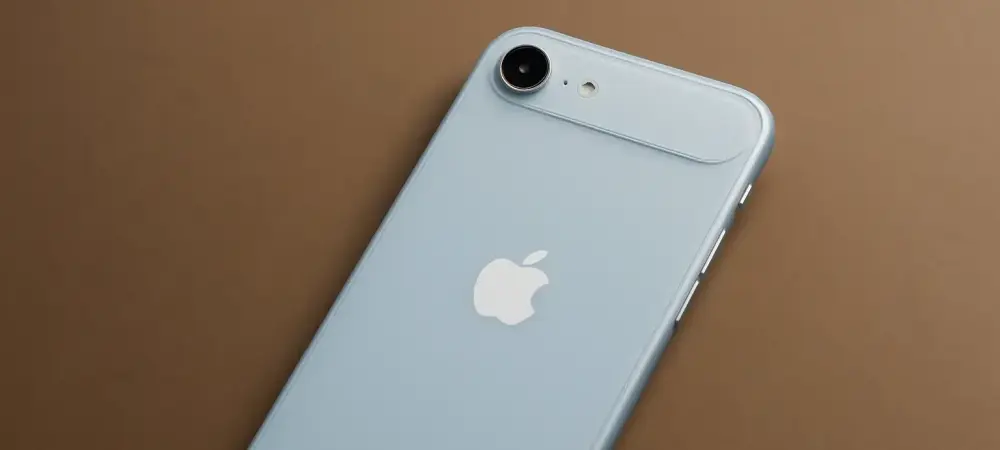
In the fast-evolving smartphone arena of today, Apple’s launch of the iPhone 17 series and the distinctive iPhone Air has sparked intense discussion among tech enthusiasts and everyday consumers alike, with promises of groundbreaking technology, sleek designs, and premium features positioning these devices as the pinnacle of mobile innovation. However, as prices remain steep and Android competitors continue to offer compelling alternatives at lower costs, skepticism surrounds whether these new iPhones can truly live up to the massive hype. This analysis delves into the core features, design choices, and market reception of Apple’s latest lineup, comparing them to the value-driven offerings from Android brands. The goal is to uncover if these devices are worth the investment or if the excitement is merely a product of clever marketing in an increasingly competitive landscape. By examining the balance between innovation and practicality, a clearer picture emerges of where these smartphones stand.
Breaking Down Apple’s Latest Offerings
The iPhone 17 series arrives with a slew of upgrades that aim to redefine expectations for flagship devices. The base iPhone 17, for instance, now features a 6.3-inch LTPO display with a smooth 120Hz ProMotion refresh rate, a significant leap from previous non-Pro models. Coupled with a starting storage of 256GB and enhanced camera capabilities, it reflects Apple’s intent to bring high-end specs to a broader audience. The Pro and Pro Max variants push the envelope further, with the Pro Max boasting a massive 6.9-inch screen and a cutting-edge 48MP telephoto lens for unparalleled photography. These advancements suggest a shift toward feature parity across the lineup, but the premium pricing still raises eyebrows. For many potential buyers, the question lingers: do these incremental improvements justify the cost when compared to last year’s models or more affordable options in the market? The allure of owning the latest Apple device is strong, yet the value proposition remains under scrutiny.
Another focal point is the iPhone Air, a model that prioritizes aesthetics with its ultra-thin and lightweight build. While visually striking, it makes notable sacrifices, including a single camera and a smaller battery capacity that may struggle to keep up with modern usage demands. Apple attempts to mitigate the battery concern with a MagSafe-compatible battery pack, offering a partial solution to extend usage time. However, this trade-off between form and function sparks debate about the device’s practicality. For style-conscious users, the Air might represent an ideal blend of elegance and technology, but for those prioritizing performance and versatility, it could fall short of expectations. This dichotomy highlights a broader challenge in Apple’s strategy—catering to niche preferences while maintaining mass appeal. Whether this gamble pays off depends heavily on how consumers weigh design against everyday utility in their purchasing decisions.
Android’s Counterattack with Value and Versatility
In stark contrast to Apple’s premium positioning, Android manufacturers are carving out a significant space with devices that emphasize affordability without skimping on features. Samsung’s Galaxy S25 FE, for example, offers a free storage upgrade to 256GB at a discounted price, making it a direct competitor to Apple’s higher-end pricing tiers. Motorola’s Edge 50 Neo, with a substantial 41% price cut, delivers a triple camera setup and an LTPO display despite relying on a mid-range chipset. These offerings underscore a growing trend among Android brands to pack flagship-like features into more accessible price brackets. For budget-conscious consumers who still crave modern technology, such devices present a tempting alternative to Apple’s costly lineup. The focus on balancing cost with functionality reveals a strategic push to capture a wider market segment, challenging the notion that premium always equates to better.
Beyond pricing, Android devices are increasingly catering to diverse consumer needs with practical innovations. Vivo’s V50 and X200 FE, for instance, target users seeking a flagship experience at a lower cost, boasting strong camera systems and premium builds. Even with occasional compromises like smaller batteries in certain regions or less powerful processors, the overall value remains compelling. Motorola’s Moto G86, while similar in price to other mid-tier options, provides solid hardware but falls behind in camera quality and charging speed, illustrating the trade-offs inherent in this segment. What stands out is how Android brands leverage discounts and storage perks to offset limitations, making their devices appealing to pragmatic buyers. As key factors like battery life, camera performance, and display quality continue to drive purchasing decisions, Android’s approach might sway those unconvinced by Apple’s hype, prompting a reevaluation of what truly defines a worthwhile smartphone investment.
Weighing the Hype Against Market Realities
Looking back at the rollout of the iPhone 17 series and iPhone Air, it became evident that Apple had set a high bar with ambitious features and daring design choices. The push to integrate premium technologies like 120Hz displays into base models showed a commitment to accessibility, while the Air’s sleek form catered to a niche yet vocal audience. However, the steep price points and functional compromises, especially with the Air, left many questioning the overall value. Android competitors, on the other hand, had capitalized on this skepticism, delivering cost-effective alternatives that didn’t shy away from modern specs, even if they occasionally lagged in raw power or ecosystem polish. The smartphone battleground had rarely been so fiercely contested, with each side playing to its strengths—Apple with prestige, Android with pragmatism.
Moving forward, consumers face a critical decision: prioritize the allure of cutting-edge innovation or opt for practical, budget-friendly options that still deliver. For those considering an upgrade, a closer examination of personal needs—whether it’s camera prowess, battery endurance, or design appeal—should guide the choice. Exploring trade-in programs or seasonal discounts could also tip the scales, making even premium devices more attainable. As the market continues to evolve, keeping an eye on how manufacturers respond to feedback and refine their strategies will be key. Ultimately, the hype surrounding Apple’s latest releases serves as a reminder that true worth lies not just in specs or branding, but in how well a device aligns with individual lifestyles and expectations.