

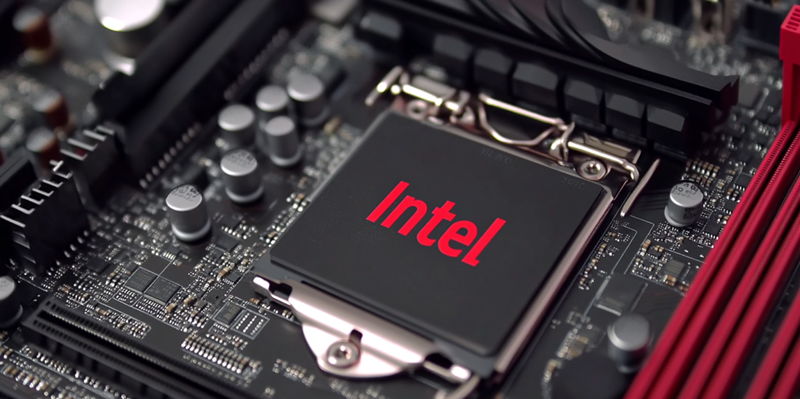
Tech enthusiasts and gamers now have a delightful reason to celebrate, thanks to the significant discounts on Intel’s 12th and 13th generation CPUs as part of the early Amazon Prime Day deals. These price cuts have made it possible for consumers to get their hands on some of the most advanced processors from the Alder Lake and Raptor Lake families at historically low prices.
Deep Discounts Offer Unprecedented Savings
The Intel Core i9-13900KF, among other high-end processors, is now available at a strikingly reduced price. Originally retailing at $574, this powerhouse is now priced at $389, demonstrating the aggressive price cutting trend during Prime Day events. Such deep discounts have turned heads, particularly among budget-conscious tech enthusiasts looking to upgrade their systems without breaking the bank.
Affordable High Performance
These considerable discounts have made high-performance CPUs more attainable than ever before. For instance, the Core i7-12700KF, now available at $166, and the Core i7-12700K, priced at $189, are exceptional finds for those aiming to build a robust mid-range gaming system. Gamers and performance users who previously found these chips out of reach can now add them to their setups with significantly less financial strain.
Model Comparisons and Nuances
In evaluating the various models, a notable comparison is between the Core i9-13900K and the Core i9-13900KF. The primary difference lies in the absence of an integrated GPU (iGPU) in the KF version, resulting in additional cost savings. This detail is crucial for users who rely solely on dedicated graphics cards and do not require an iGPU, optimizing their expenditure on essential features only.
Specific Product Recommendations
For those seeking specific recommendations, the Core i7-13700K stands out, now priced at $309. Known for its enhanced core performance and higher clock speeds, this processor is an ideal choice for gamers and productivity enthusiasts alike. Its balanced performance features cater to a wide range of computing needs, offering substantial value given the current discounts.
External Considerations and Potential Issues
It’s important to note that while pairing these CPUs with high-performance graphics cards like the RTX 4070 Super can create formidable gaming systems, consumers should also be aware of potential stability issues. Ensuring that the latest BIOS updates are applied can mitigate these concerns, reflecting a comprehensive understanding of both the benefits and technical nuances involved in utilizing these discounted processors.
An Environment of Unmatched Opportunities
Overall, the current Prime Day deals represent an unparalleled opportunity for consumers to upgrade their systems with top-tier Intel processors at some of the lowest prices ever recorded. The discounts are particularly notable for their scope and depth, signaling Intel’s intent to capitalize on the sale period by offering significant value to its customers.
Conclusion
Tech enthusiasts and gamers have a fantastic reason to rejoice with Amazon’s early Prime Day deals featuring substantial discounts on Intel’s 12th and 13th generation CPUs. These price drops provide an incredible opportunity to obtain some of the latest and most advanced processors from Intel’s Alder Lake and Raptor Lake series at unprecedentedly low prices. The Alder Lake series, known for its innovative hybrid architecture combining performance and efficiency cores, offers significant improvements in multitasking and gaming performance. Meanwhile, the Raptor Lake series builds on this foundation, delivering even greater processing power and enhanced capabilities for demanding applications and games. These deals mark a unique chance to upgrade your PC’s performance without breaking the bank. With Intel’s reputation for delivering top-tier technology and Amazon Prime Day’s tradition of unbeatable offers, it’s the perfect storm for anyone looking to boost their computing setup. So whether you’re building a new rig from scratch or simply upgrading your existing system, now is the ideal time to take advantage of these exceptional offers and elevate your tech experience to the next level.