

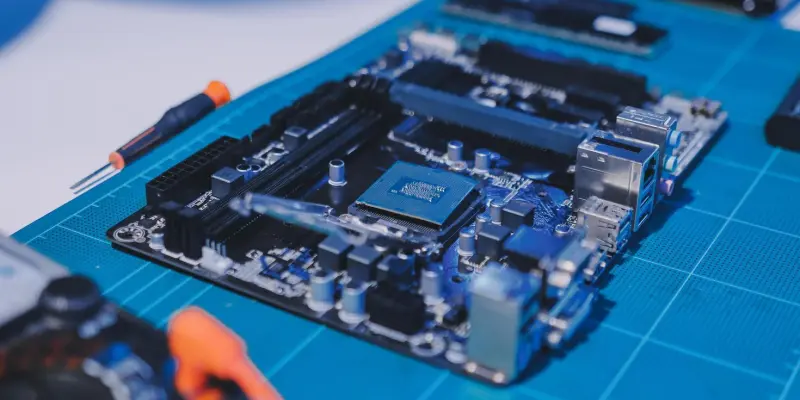
The world of PC building presents a crossroads where choice and necessity often intermingle. PC enthusiasts and builders are frequently faced with deciding whether investing in a high-end motherboard is a worthy endeavor. The allure of these motherboards is undeniable, with their promise of cutting-edge technology and extravagant features. Yet, the question remains if their hefty price tags equate to an investment that delivers tangible benefits. Discerning the true value of advanced features against the actual needs becomes crucial. Within this technological dialogue, the key lies in understanding whether the practicality of enhanced capabilities aligns with one’s specific usage cases.
Understanding High-End Features
High-end motherboards possess a suite of sophisticated features that command interest among tech-savvy users. These motherboards typically offer a wealth of advanced capabilities such as additional I/O ports, PCIe lanes, and Gen5 M.2 slots, which cater to users aiming for superior performance options. Features like overkill VRMs and high-end networking capabilities, alongside premium audio systems, are designed to meet the demands of those seeking specialized functionalities. Moreover, high-end models often include aesthetic extras—for instance, debug displays and clear CMOS buttons—which enhance their visual appeal for users prioritizing custom designs.
For individuals whose PC activities demand these additional characteristics, high-end motherboards may present the only viable solution to fulfill their build requirements. However, the process of examining whether these attributes align with specific technical needs is vital. Sometimes, the intricacy of these advanced capabilities may transcend individual requirements, making it essential for potential buyers to assess the necessity of these features within their custom build. While the appeal of intricate features is significant, aligning them with one’s technical demands ensures that such high-end investments are justified beyond mere aesthetic or anecdotal value.
Evaluating Performance and Needs
It’s a common misconception that the price of a motherboard is directly proportional to the level of PC performance achieved. For many average users, the assumption that a more expensive motherboard equates to significant performance improvements is misleading. In reality, excellent performance is obtainable with mid-range options, which are designed to meet general consumer needs. Supporting next-gen connectivity, various I/O ports, and premium-grade VRMs, these mid-range motherboards frequently cost between $200 and $300. Such options often suffice for those engaged in activities like gaming or general computing tasks.
A deeper exploration into performance needs versus cost reveals that for the majority of users, mid-range motherboards provide an optimal balance of affordability and functionality. The task of balancing performance against price necessitates careful consideration, particularly when contemplating the hefty investment tied to higher-end options. Users are encouraged to evaluate personal performance requirements, as many features found in higher-priced boards may be inconsequential for average usage scenarios. The decision to pursue a high-end motherboard becomes necessary only when particular features—such as advanced overclocking capabilities or enhanced connectivity—are crucial to fulfilling unique computing needs.
Cost Efficiency in Building
Despite their advanced features, motherboards play a relatively modest role in the broader spectrum of overall PC performance, once essential needs are fulfilled. Investing upwards of $300 on a motherboard may be unwarranted, except when specific exceptional requirements can justify the expenditure. High-end models come equipped with exclusive attributes not integral to every user’s requirements. As such, when planning a PC build, it’s critical to consider the entire system to prevent the compromise of vital components such as GPUs or CPUs. In this context, cost efficiency should guide purchasing decisions, ensuring that expenditures on motherboards do not detract from the quality or performance of other pivotal elements within the PC build. In essence, securing cost efficiency means aligning budget allocations proportionally across all components, thereby achieving an equilibrium that supports optimal system performance. The broader cost strategy should thereby focus on meeting essential requirements without succumbing to the temptation of overspending on features that may remain underutilized. Such prudent financial decisions ultimately lead to the realization of a well-rounded, high-performing, and economically viable PC build.
Identifying the Target Audience
High-end motherboards are most suitably matched to users whose needs transcend conventional technical specifications. These components are tailored to individuals whose setups include specific advanced architectural requirements. For example, those engaged in building custom water cooling loops or requiring superior audio configurations might find value in features exclusive to premium motherboards. Enthusiasts interested in pushing the boundaries of overclocking, or those who desire specific design enhancements, may inherently benefit from the nuanced capabilities such devices offer. The audience attracted to high-end motherboards often consists of dedicated users deeply immersed in specialized aspects of PC customization. Recognizing personal objectives in PC building facilitates the selection of motherboards that correlate positively with anticipated outcomes. An understanding of specific needs can guide users in making informed purchases that prove to be truly beneficial rather than extravagant. This niche audience continues to invest in these products, emphasizing a unique technological advancement in PC building that accommodates particular preferences and demands.
Trends in Motherboard Technology
Motherboard technology evolves steadily, often highlighting the newest trends in PC architecture and component capabilities. Top-tier models frequently exhibit cutting-edge features, shaping an ongoing narrative of relentless advancement in technological specifications. These developments largely cater to an audience committed to making the most of novel technologies, demonstrating how dynamic and responsive the motherboard market has become in addressing consumer expectations. The trend underscores a harmony between technological progression and the need for consumer education regarding what features are essential as opposed to simply desired.
Recognizing trends within motherboard technology reflects broader narratives characteristic of technological innovation and consumer adaptation. Users benefit from understanding these trends, as they provide a framework for evaluating how new features map to personal requirements or aspirations. These technological progressions serve as touchstones, empowering informed consumer decision-making and aligning personal objectives with progressive hardware capabilities. As such, trends become instrumental in illustrating the intersection between consumer needs and industry offerings, casting a light on the trajectory of future motherboard advancements.
Making Informed Consumer Decisions
The world of PC building often brings enthusiasts to a point where they must decide between splurging on a high-end motherboard or saving their money for other components. This decision is not always straightforward, as the appeal of top-tier motherboards is strong, promising the latest technology and an array of lavish features. However, the question persists: do these features and high costs translate into real, tangible benefits for the user?
Determining the true value of a high-end motherboard requires a thorough understanding of one’s actual technological needs. Advanced features can be incredibly enticing, but their practicality depends heavily on how the user intends to utilize their system. For instance, a gamer might benefit from features that boost performance, while someone using their PC for basic tasks may find those same features unnecessary.
Moreover, it’s important to evaluate whether the extra expense will significantly enhance the user’s experience or just serve as a luxury. Costly motherboards often offer better components, such as improved power delivery and superior heat management, which can benefit power users. Yet, for many, a mid-range motherboard might provide all the necessary functionalities without excess. Hence, weighing the necessity against the tempting bells and whistles of advanced models is a crucial step in making an informed decision.