

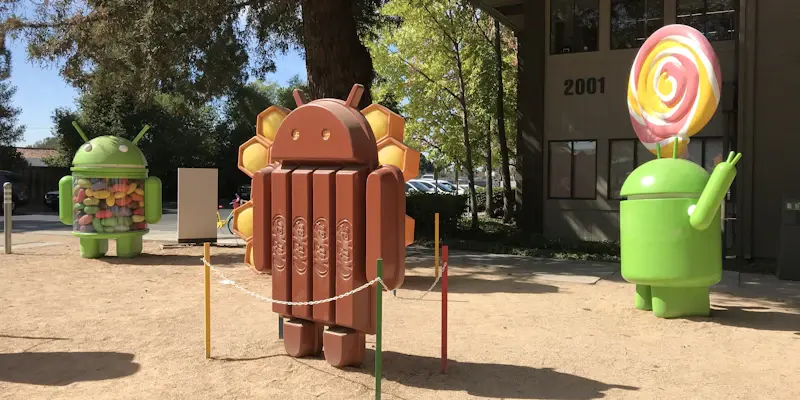
The realm of Android technology has witnessed significant advancements over the past few years, with the profound integration of autonomous AI assistants marking the latest leap. Unlike traditional virtual assistants that rely heavily on direct human commands, autonomous AI assistants offer an entirely new dimension of interaction. These sophisticated technologies, powered by machine learning and artificial intelligence, have the potential to revolutionize how we engage with our devices. This article delves into the transformative impact of these AI assistants, their standout features, the accompanying challenges, and what the future holds for this groundbreaking innovation.
The Integration of AI Technology into Android
Enhanced User Interaction
The integration of AI technology into Android devices facilitates a novel and sophisticated level of interaction, marking a significant shift in user experience. Autonomous AI assistants are adept at analyzing user habits and patterns to provide a more seamless and efficient experience. For example, these AI systems can learn an individual’s daily routine, preferences, and even their unique manner of interacting with their device. By doing so, they can suggest optimized schedules, recommend personalized content, and create a more intuitive interface. These assistants extend their capabilities beyond mere smartphones; they can also integrate with wearable devices to monitor fitness goals, track app usage patterns, and propose time-saving optimizations.
Furthermore, smart home systems have seen substantial improvements due to the integration of autonomous AI assistants. These systems can now manage various household functions ranging from lighting and temperature control to security surveillance, creating an interconnected, efficient, and convenient living environment. By continuously learning and adapting, AI assistants ensure that each interaction is tailored to meet the specific needs and preferences of the user. This capability not only enhances convenience but also fosters a more engaging and satisfying user experience across all Android devices.
Contextual and Personalized Assistance
One of the standout features of AI assistants on the Android platform is their exceptional ability to provide contextual and personalized assistance. Personalization is a critical aspect, as these AI systems continuously learn user behavior over time. This learning process enables them to offer relevant suggestions, whether it’s sending timely news alerts or recommending an entertainment option that suits the user’s taste. The AI can discern patterns and predict needs, thereby reducing the need for user input and making the device feel more intuitive and intelligent.
Contextual awareness further boosts the assistant’s utility, allowing them to respond intelligently based on the user’s current situation. For instance, an AI assistant can recognize whether the user is at work, home, or on the go and provide tailored responses or actions accordingly. The system can suggest alternate routes during traffic congestion, remind the user of important meetings, or automatically switch to a different mode when the user is driving, ensuring safety and convenience. These personalized and context-aware interactions streamline daily tasks and empower users, further solidifying the indispensable role of AI in Android technology.
Advantages and Challenges of Autonomous AI Assistants
Boosting Efficiency and Accessibility
The integration of autonomous AI assistants into Android devices brings numerous advantages, primarily in terms of boosting efficiency and improving accessibility. By handling repetitive and mundane tasks such as scheduling meetings, sending emails, or managing reminders, these assistants free up valuable time for users. This automation of routine tasks also reduces cognitive load, allowing users to focus on more critical and creative activities. For individuals with disabilities or those who have limited technical skills, AI assistants offer significant accessibility benefits. Voice commands and intuitive interfaces make it easier for these users to interact with their devices, perform tasks, and access information effortlessly.
In addition to these practical benefits, AI assistants assist in better decision-making. By analyzing real-time data and considering the context of each situation, they provide users with insights and recommendations that help in making informed choices. Whether it’s optimizing device performance, suggesting healthier lifestyle choices, or aiding in financial planning, the assistants’ context sensitivity and data-driven analysis prove to be invaluable assets. As a result, users can enjoy a more efficient, productive, and balanced digital experience.
Privacy and Security Concerns
Despite the many advantages, the rise of autonomous AI assistants also presents significant challenges, particularly concerning privacy and security. Given that these systems require access to a plethora of personal data to function effectively, ensuring the protection of sensitive information is paramount. The continuous data exchange between the AI assistant and the user encapsulates a range of personal details, from daily routines and preferences to sensitive information such as location data and communication history. This level of data collection inevitably raises concerns about data breaches, unauthorized access, and potential misuse of information.
Another formidable challenge lies in the development of systems capable of autonomously handling complex and unpredictable situations. While AI technology has made significant strides, enabling true autonomy demands continuous advancements in AI algorithms and increased computing power. These systems must be capable of understanding nuanced human behavior and context to make decisions that align with user expectations and ethical standards. Balancing innovation with stringent privacy measures and ensuring robust security protocols is essential to gaining and maintaining user trust in autonomous AI assistants.
The Future of AI Assistants in Android Technology
Advancing AI Capabilities
Looking ahead, it’s clear that the role of autonomous AI assistants within the Android ecosystem will expand and evolve, driven by synergies with other emerging technologies. Developments in 5G and edge computing, for instance, are expected to enhance the functionality and responsiveness of AI assistants. With faster data transfer rates and low latency provided by 5G, AI can process information and deliver real-time responses more efficiently. Edge computing, which brings computation and data storage closer to the user, reduces the dependency on central servers, facilitating quicker and more reliable AI-driven operations.
These advancements are likely to make AI assistants even more integral to productivity, entertainment, and connectivity, transforming how users interact with their devices and the digital world at large. We can anticipate more sophisticated AI systems capable of handling a broader range of tasks autonomously and intelligently, from managing complex home automation systems to providing advanced health monitoring solutions. As AI continues to advance, its integration with Android technology promises to bring a seamless blend of innovation and functionality.
Shaping the Future
In recent years, Android technology has seen remarkable strides, particularly with the integration of autonomous AI assistants. These advancements signify a major step forward from traditional virtual assistants, which depend heavily on explicit human commands. Autonomous AI assistants bring an entirely new level of interaction. Leveraging machine learning and artificial intelligence, these cutting-edge technologies are set to change how we use our devices profoundly. This article explores the transformative effects of these AI assistants, highlighting their unique features, the challenges they present, and the future of this innovative technology.
Unlike older virtual assistants, autonomous AI can perform tasks with less direct human input, predicting needs and learning from user behavior. This shift makes our interaction with devices more seamless and intuitive. However, with these advancements come challenges, including concerns about privacy, data security, and the potential for over-reliance on AI. As we look toward the future, the continued evolution of AI assistants promises both exciting developments and complex questions about their role in our digital lives.