

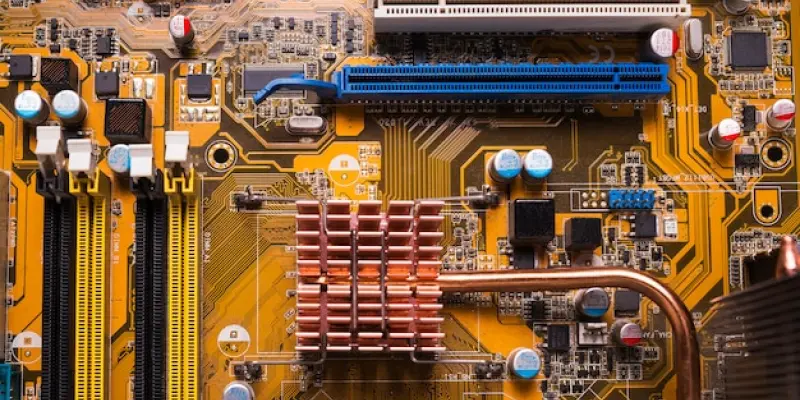
With the transition to the LGA 1851 socket and 800-series chipsets, the question of whether ASRock B860 motherboards offer the best value for Intel builders is more pertinent than ever. This shift marks the end of the LGA 1700 platform’s three-year dominance and introduces new opportunities for cost-effective upgrades and performance enhancements. Featuring 34 PCIe lanes and DDR5-6400 memory support, the B860 chipset stands out as an enticing option for budget-conscious users looking to leverage the latest Intel technologies without breaking the bank. Adding to its appeal, these motherboards maintain compatibility with coolers designed for the LGA 1700 socket, albeit requiring some minor adjustments.
Diverse Options with Robust Features
The ASRock B860 motherboard series encompasses a range of models, including the RIPTIDE, LIGHTNING, STEEL LEGEND, and LiveMixer, each offering a suite of robust features and capabilities tailored to various use cases. For instance, the B860 LIGHTNING WIFI and B860I Lightning WIFI are designed with gaming enthusiasts in mind, offering powerful performance and connectivity options that enhance the gaming experience. These motherboards’ specifications include advanced cooling solutions, high-quality power delivery systems, and multiple M.2 slots for fast storage, making them versatile choices for different types of builds.
On the other hand, the B860 Steel Legend WIFI provides a blend of durability and performance that’s ideal for users looking to build a reliable system for everyday computing and productivity tasks. With reinforced slots to support heavy graphics cards and an array of connectivity options, this motherboard ensures a stable and efficient performance under various workloads. Meanwhile, the B860 Live Mixer WIFI caters to content creators and multitaskers, providing ample connectivity and robust performance to handle demanding applications and workflows.
Value Proposition and Performance
One of the standout features of the ASRock B860 series is its value-for-money proposition, particularly appealing to users aiming to maximize performance without a hefty price tag. These motherboards are equipped with a comprehensive set of features often found on higher-end models, such as PCIe 5.0 support, USB 3.2 Gen 2×2 ports, and built-in WiFi 6E capabilities. They strike a balance between cost and functionality, making them ideal for those looking to build a high-performance system on a budget.
The performance metrics of these motherboards have been rigorously tested in various scenarios, including gaming and CPU-intensive tasks. The ASRock B860 series has consistently demonstrated reliable performance, low power consumption, and excellent thermal management. These attributes assure users that they can count on these motherboards for sustained performance without worrying about overheating or energy inefficiency. This reliability is particularly crucial for gamers and professionals who require stable and consistent performance during extended usage sessions.
Future Compatibility and Upgrade Paths
Another significant advantage of the ASRock B860 motherboards lies in their forward-looking design, particularly concerning compatibility with the new LGA 1851 socket. This focus on future compatibility ensures that users can upgrade their systems without needing to replace other components, safeguarding their investment for years to come. The B860 chipset’s support for the latest DDR5 memory standards and PCIe 5.0 lanes indicates that these motherboards are built to handle the upcoming generations of Intel processors, offering a clear upgrade path for users.
This forward compatibility means that builders can take advantage of the current cost savings offered by the B860 chipset while knowing that they are not cornered into an obsolescent platform. This assurance makes the ASRock B860 series an even more attractive proposition, providing both immediate value and long-term relevance in a rapidly evolving tech landscape. Users can rest assured that transitioning to more advanced processors and peripherals in the future will be a smooth and cost-effective process.
Conclusion: A Balanced Investment for the Future
With the introduction of the LGA 1851 socket and 800-series chipsets, the value proposition of ASRock B860 motherboards for Intel builders has become more relevant than ever. This change signifies the end of the LGA 1700 platform’s three-year reign and opens doors to new possibilities for cost-effective upgrades and enhanced performance. Boasting 34 PCIe lanes and DDR5-6400 memory support, the B860 chipset emerges as an attractive choice for budget-conscious users wanting to tap into the latest Intel technologies without overspending. Additionally, these motherboards offer the convenience of compatibility with existing coolers meant for the LGA 1700 socket, with only minor modifications needed. This compatibility ensures a smoother transition for users who already have cooling solutions in place. Overall, ASRock’s B860 motherboards cater to those looking for a blend of excellent performance and affordability, making them a smart pick in the evolving landscape of Intel builds.