

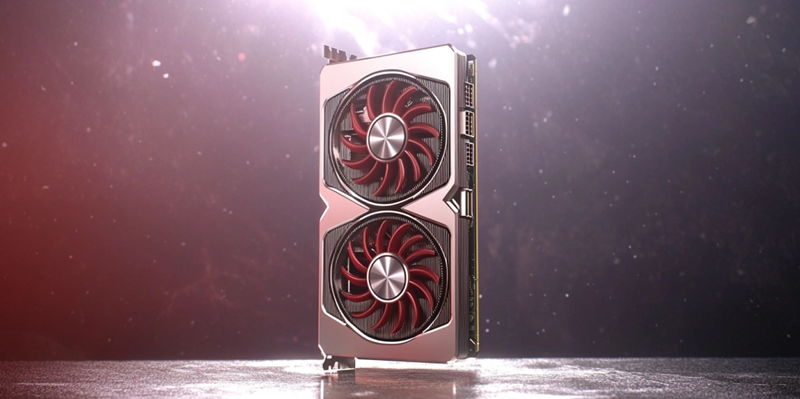
The recent discount wave on AMD Radeon RX 7000 series GPUs has sent ripples through the gaming and PC hardware community, reverberating loudly among both seasoned enthusiasts and casual gamers. With models like the Radeon RX 7900 XTX and RX 7800 XT now more affordable than ever, this development could redefine the market standard for high-performance graphics solutions. Offering substantial savings, these price drops invite a closer inspection into their potential causes and how these GPUs measure up against their competitors. Now, gamers have a viable opportunity to enhance their gaming rigs without the financial strain typically associated with top-tier performance.
The Discount Wave: What’s on Offer?
In an unprecedented move, both Amazon and Newegg are offering substantial discounts on AMD’s Radeon RX 7000 series GPUs. The XFX Speedster SWFT210 RX 7800 XT Gaming model is now available for $449.99 on Amazon, down by $50 from its usual price. Meanwhile, the PowerColor Hellhound RX 7900 XTX can be snagged for $819.99, significantly lower than the typical $900 price range. Such compelling offers render these GPUs highly attractive for anyone looking to build or upgrade their PC with cutting-edge technology without breaking the bank.
These price reductions extend across different models within the Radeon series, including the ASRock Radeon RX 7900 XTX Phantom Gaming model available at $849.99 on Newegg, which comes bundled with an AMD Q3 2024 game package valued at $60. These offers are not just standalone instances but part of a broader trend, signaling a strategic shift in making high-performance GPUs more accessible to a wide range of consumers. By reducing the cost barrier, these discounts ensure that more gamers can enjoy superior graphics and performance at a fraction of the previous expenses.
Performance Capabilities at a Bargain
When it comes to high-performance GPUs, value cannot be solely determined by price; performance remains a critical factor. The RX 7800 XT, equipped with 16GB of GDDR6 memory and a 256-bit bus, performs exceptionally well at 1440p resolution, making it an ideal choice for gamers seeking smooth, high-quality gameplay without paying a premium. This model’s cost-efficiency does not come at the expense of performance, offering an excellent balance between affordability and capability for modern games.
On the higher end, the RX 7900 XTX stands out with 24GB of memory on a 384-bit bus, delivering performance comparable to Nvidia’s pricier RTX 4080 Super. This makes the RX 7900 XTX an attractive option for gamers who require top-tier graphics but wish to avoid the hefty price tags associated with Nvidia’s offerings. The significant saving opportunities open the doors to a high-quality gaming experience, pushing the envelope for what can be expected in terms of value and performance from AMD GPUs.
Other GPU Deals: More Bang for Your Buck
The discount trend doesn’t stop with the RX 7900 XTX and RX 7800 XT; it extends across a variety of budget and mid-range options as well, offering something for every segment of the gaming community. PowerColor’s Fighter RX 7700 XT is available for $349.99, a deal that makes this model highly appealing for gamers operating within stricter budget constraints. In parallel, the XFX Speedster MERC310 RX 7900 XT is retailing for $659.99 on both Amazon and Newegg, adding another layer of affordability to high-performance graphics solutions.
These deals not only highlight AMD’s commitment to competitive pricing but also demonstrate its intent to offer value across various performance levels. Gamers looking for the best bang for their buck can now explore multiple options without compromising significantly on graphic performance or breaking the bank. It’s an opportune moment for those seeking to elevate their gaming experience, as these attractive price points create an inclusive market for gamers with diverse financial abilities and performance requirements.
A Broader Market Perspective: Why the Discounts?
The current wave of unprecedented discounts on AMD Radeon RX 7000 series GPUs could be attributed to several strategic factors, each potentially contributing to this aggressive pricing approach. One possibility is the effort to clear out inventory in anticipation of upcoming product launches, paving the way for next-generation technology. Another factor could be the intense market competition, with AMD responding to Nvidia’s pricing strategies and striving for a larger market share. Additionally, economic considerations and shifting consumer spending patterns might be influencing these moves, making it essential for companies to offer more financially accessible high-end components.
Retailers like Amazon and Newegg are capitalizing on these trends, offering competitive prices that attract a broader customer base. This competitive landscape benefits consumers, providing more options at lower prices and fostering a buyer-friendly environment. As companies adjust their strategies in response to evolving market dynamics, gamers stand to gain from the ongoing competition and the resulting consumer-friendly pricing policies.
CPU Deals: Completing the Upgrade
The wave of price reductions isn’t limited to GPUs alone; Intel CPUs, including Alder Lake and Raptor Lake models, are also seeing significant discounts, particularly during Amazon Prime deals. This creates a multifaceted opportunity for consumers looking to upgrade multiple components of their systems, allowing them to build or significantly enhance their gaming rigs without incurring hefty expenses. By enabling cost-effective upgrades across both GPUs and CPUs, the market ensures that consumers can access well-rounded, high-performance systems at reduced costs.
Such broad-based discounts reflect a cohesive strategy aiming to provide balanced value across the board, reaffirming the commitment of companies to delivering top-tier performance at competitive prices. Consumers now have the opportunity to complete their upgrades more affordably, ensuring that budget constraints do not hinder their ability to experience advanced gaming and computational capabilities.
The Value Proposition for Gamers
The recent wave of discounts on AMD Radeon RX 7000 series GPUs has sent shockwaves through the gaming and PC hardware sectors, catching the attention of both hardcore enthusiasts and casual gamers alike. With models such as the Radeon RX 7900 XTX and RX 7800 XT now more budget-friendly, this shift could significantly alter the market’s standards for high-performance graphics cards. These steep price cuts offer substantial savings and encourage a deeper look into the possible reasons behind them as well as how these GPUs stack up against the competition. Gamers now find themselves with a golden opportunity to upgrade their gaming setups without facing the usual financial burden that comes with top-tier performance equipment. This development could particularly appeal to those who have long wished to elevate their gaming experiences but have been deterred by high costs. The competitive pricing not only democratizes access to cutting-edge technology but also pressures other manufacturers to reevaluate their pricing strategies, potentially leading to a broader shift in the industry as a whole.