

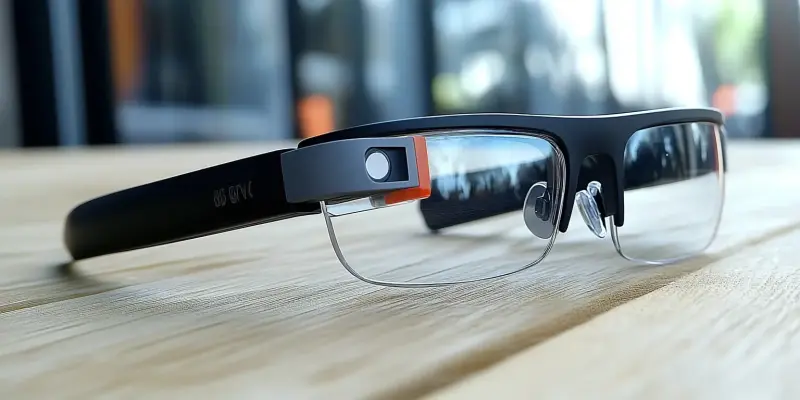
Artificial intelligence (AI) has progressively integrated into various aspects of daily life, transforming numerous gadgets and technologies. One significant innovation in this realm is the emergence of AI-powered smartglasses. These advanced wearables combine AI capabilities with augmented reality (AR), real-time translation, voice control, and more, making them potentially indispensable tools for both personal and professional use.
The Evolution of Smartglasses
From Novelty to Necessity
Initially, smartglasses were positioned as novelty items, capturing the public’s attention more for their futuristic appeal than practical use. As AI technology matured, these wearables evolved to offer genuinely useful features, from real-time data overlays to seamless voice control, thereby transcending their initial gimmick status. This transformation marks a significant shift, showcasing the practical potential of incorporating sophisticated AI into everyday accessories. As these devices grew more sophisticated, their utility expanded, and they began to address practical needs ranging from live data analyses to seamless communication.
The gadgetry that was once viewed with skepticism has now cemented its place in various sectors, offering a range of applications. From medical fields to construction sites, the practical uses of AI-powered smartglasses are evident. Enhanced features such as real-time voice translation and environmental responsiveness are instrumental in making these devices essential tools, rather than mere futuristic novelties. This progression reflects broader technological trends and highlights the integration of AI into daily life.
Diverse Functionalities
Modern AI-powered smartglasses now cater to a broad spectrum of needs and preferences. They support hands-free communication, on-the-go information retrieval, and even enhanced entertainment experiences. This versatility has broadened their appeal, attracting both tech enthusiasts and high-performing professionals seeking to enhance productivity. For travelers, these smartglasses can be a digital tour guide, offering real-time translation and navigation help. For fitness enthusiasts, they deliver performance metrics straight to the lens while enabling music control via voice commands.
In the entertainment industry, AI-powered smartglasses have also found a niche by creating immersive experiences. Gamers can benefit from augmented elements that integrate seamlessly into the real world, adding layers of interactivity. Similarly, professionals can harness these wearables to boost efficiency; for instance, engineers can view and amend complex blueprints, while doctors can access patients’ medical records and real-time health monitoring data during procedures. Such multifaceted functionalities reflect the potential of these devices to significantly alter modern lifestyles and professional practices.
Leading Brands and Their Unique Features
Ray-Ban MetStyle Meets Substance
The Ray-Ban Meta Smart Glasses exemplify the seamless blend of fashion and functionality. With a sleek, timeless design, these glasses boast advanced AI capabilities such as real-time image processing and environmental inquiries through voice command. The AI-powered 12-megapixel camera wirelessly transmits captured images and videos to smartphones, making hands-free recording and sharing a breeze. Additionally, equipped with a five-microphone system, these glasses ensure voice commands are processed accurately, allowing users to control music playback, answer calls, and inquire about their surroundings.
Complementing these features, the open-ear audio system offers clear sound without isolating the user from ambient noise, enhancing situational awareness. Weighing a mere 48 grams, the glasses are discreet and comfortable, though users need to manage the four-hour battery life with periodic recharges using the charging case. Despite this limitation, social media buzz and user reviews indicate widespread satisfaction. Users particularly appreciate the device’s ability to merge style with utility, making it a prominent contender in the burgeoning smartglasses market.
Xreal Air 2 Pro: Augmented Reality Prowess
Xreal Air 2 Pro sets the standard in augmented reality smartglasses with its extensive virtual screen projection and dynamic lens tinting. These features provide a 130-inch virtual display, suitable for gaming, movies, and even professional tasks. The glasses’ AI-driven eye tracking subtly adjusts display focus, reducing eye strain during extended use. Furthermore, the proprietary AI assistant facilitates tasks such as navigation and scheduling through voice commands, markedly enhancing user convenience.
The practicality of Xreal Air 2 Pro extends further with its three-microphone noise-cancellation system, ensuring clear communication, particularly beneficial for remote work setups. However, users will note that the reliance on a wired USB-C connection somewhat affects the device’s portability. Despite this drawback, user testimonials on forums have highlighted the augmented reality experience, high-resolution 1080p display, and intuitive interface as notable strengths. Such features make the Xreal Air 2 Pro a leading choice for those seeking an immersive AR experience tailored for both entertainment and professional environments.
Practical Applications in Professional Settings
Google Glass Enterprise Edition 2: Enhancing Productivity
Google’s Enterprise Edition 2 smartglasses are tailored to the professional realm, particularly suited to environments like healthcare and manufacturing. With robust AI functionalities such as real-time transcription and translation, this model facilitates hands-free operations, streamlining workflows and significantly enhancing efficiency for users. Encased in a 46-gram titanium frame, the device features a practical heads-up display (HUD) capable of showcasing detailed directions, blueprints, and other crucial data, becoming indispensable for professionals like surgeons or technicians.
Google’s AI ecosystem, integrated into these glasses, provides real-time voice command processing through a single microphone equipped with noise filtering. The eight-hour battery life is another advantage, catering to extended professional use. Backed by the Snapdragon XR1 processor, the device ensures impeccable performance with support for customized Android applications. This has led to positive reviews from enterprise users, who value the glasses’ ability to revolutionize scenarios like warehouse inventory management and hands-free inspections, streamlining complicated tasks with relative ease.
North Focals 2.0: Subtle Yet Effective
North Focals 2.0 prioritize a subtle aesthetic while delivering essential AI features for everyday use. Acquired by Google in 2020, these glasses employ a tiny laser projector to discreetly display notifications, directions, or fitness data on the lens. AI processes voice commands via a hidden microphone, responding with bone-conduction sound that is both silent and private. This approach to audio delivery ensures discretion and clarity even in noisy environments, making the device a practical companion for daily activities.
The glasses also feature intuitive gesture control, including frame tapping, enabling ease of use without drawing attention. Weighing just 40 grams and delivering a six-hour battery life, North Focals 2.0 supports daily use comfortably and recharges with a specialized puck. Endorsements on social media often highlight the device’s unobtrusiveness and ease of use, praising its integration with voice assistants like Alexa. However, some users have expressed disappointment with its limited AR capabilities. Despite this, the blend of practicality, discretion, and subtle intelligence make it an appealing option for those who value less conspicuous tech.
Challenges and Future Prospects
Current Limitations
Despite their promising capabilities, current generation AI smartglasses face several hurdles. Limited battery life, high costs, privacy concerns, and dependency on smartphone connectivity are significant drawbacks. Battery constraints mean users often need to recharge their devices midday, which can be a significant inconvenience. Additionally, the costs associated with advanced, AI-driven smartglasses make them less accessible to the broader consumer market, potentially limiting widespread adoption.
Privacy issues are another major concern, with built-in cameras and microphones raising alarms about surveillance and data security. Moreover, reliance on smartphones for full functionality means that without their paired devices, smartglasses are considerably less effective. These challenges highlight the need for advancements in battery technology, more affordable pricing models, and enhanced data protection measures. Addressing these issues is crucial for transitioning these devices from niche products to mainstream technology.
Anticipating Future Innovations
Artificial intelligence (AI) has steadily woven itself into numerous facets of everyday life, revolutionizing a variety of gadgets and technologies. A notable advancement in this field is the advent of AI-powered smartglasses. These sophisticated wearables integrate AI functionalities with augmented reality (AR), enabling a variety of practical features such as real-time translation and voice control. With these capabilities, smartglasses have the potential to become invaluable tools for both personal and professional applications. Whether it’s enhancing communication through instant translation, providing hands-free assistance via voice commands, or offering immersive augmented reality experiences, AI-powered smartglasses stand at the forefront of technological innovation. They promise to significantly enhance productivity and convenience in everyday tasks, making them a groundbreaking development in wearable technology.