
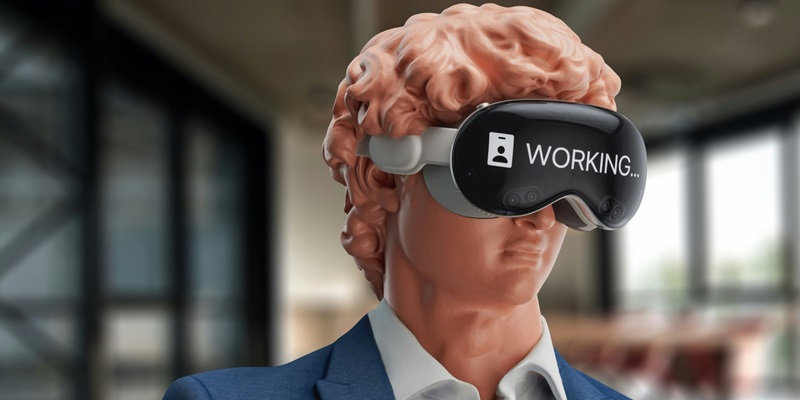
Apple’s Vision Pro Stuns as Sales Soar, OpenAI Hails Tech Milestone

The technology world is abuzz with Apple’s latest innovation, the Vision Pro headset, which has taken the market by storm with its groundbreaking features. In an industry often described as having incremental upgrades, the Vision Pro has managed to captivate both consumers and tech leaders alike. Amidst a flurry of excitement, reports have surfaced indicating a fiercely successful launch, with early sales data revealing over 200,000 units sold shortly after release.

With a hefty price tag of $3,500, the Vision Pro was not a guaranteed mass-market hit. Yet, consumers are voting with their wallets, showing a readiness to invest in what could be the next big tech wave. Designed to deliver unparalleled immersive experiences, Apple’s latest offering signifies a leap forward in personal computing and entertainment platforms. This impressive sales performance speaks volumes about the appetite for high-end tech innovations, despite premium pricing.

OpenAI’s Strategic Enthusiasm

The Vision Pro headset is making waves, with OpenAI’s Sam Altman lauding it as a landmark in technology, eyeing the influence of the iPhone. This endorsement from AI’s prominent figure bolsters the device’s already strong market position. OpenAI’s timing is noteworthy as it aligns with Apple’s innovative streak, hinting at a strategic partnership that could redefine tech standards.

With the headset’s debut, OpenAI unveiled a visionOS edition of ChatGPT, merging their cutting-edge AI with Vision Pro’s features. This move illustrates a shared drive between the two giants to push the limits of today’s tech. As Vision Pro revolutionizes hardware, OpenAI transforms software, positioning them as leaders of a rapid tech evolution. Their collaboration suggests a shift in how we engage with technology, foreshadowing a future where human-computer interaction enters a new dimension.

Explore more

How Can HR Resist Senior Pressure to Hire the Unqualified?

The request usually arrives with a deceptive sense of urgency and the heavy weight of authority when a senior executive suggests a “perfect candidate” who happens to lack every required credential for the role. In these high-pressure moments, Human Resources professionals find themselves caught in a professional vice, squeezed between their duty to uphold organizational integrity and the direct orders

Why Strategy Beats Standardized Healthcare Marketing

When a private surgical center invests six figures into a digital presence only to find their schedule remains half-empty, the culprit is rarely a lack of technical effort but rather a total absence of strategic differentiation. This phenomenon illustrates the most expensive mistake a medical practice can make: assuming that a high-performing campaign for one clinic will yield identical results

Why In-Person Events Are the Ultimate B2B Marketing Tool

A mountain of leads generated by a sophisticated digital campaign might look impressive on a spreadsheet, yet it often fails to persuade a skeptical executive to authorize a complex contract requiring deep institutional trust. Digital marketing can generate high volume, but the most influential transactions are moving away from the screen and back into the physical room. In an era

Hybrid Models Redefine the Future of Wealth Management

The long-standing friction between automated algorithms and human expertise is finally dissolving into a sophisticated partnership that prioritizes client outcomes over technological purity. For over a decade, the financial sector remained fixated on a zero-sum game, debating whether the rise of the robo-advisor would eventually render the human professional obsolete. Recent market shifts suggest this was the wrong question to

Is Tune Talk Shop the Future of Mobile E-Commerce?

The traditional mobile application once served as a cold, digital ledger where users spent mere seconds checking data balances or paying monthly bills before quickly exiting. Today, a seismic shift in consumer behavior is redefining that experience, as Tune Talk users now spend an average of 36 minutes daily engaged within a single ecosystem. This level of immersion suggests that