

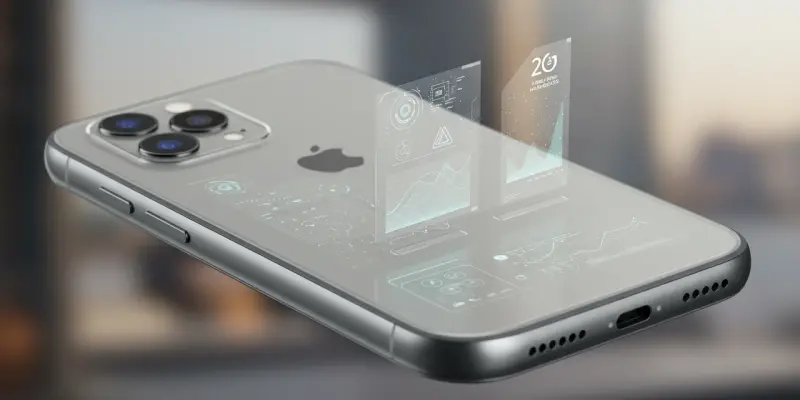
Entering the latter half of the 2020s, Apple is set on revolutionizing the technology landscape by unveiling groundbreaking devices that stretch the boundaries of innovation. The company is keen to mark the 20th anniversary of the iPhone with a bold and diversified lineup of products by 2027. Central to Apple’s strategy are developments such as a foldable iPhone, anticipated to have a “nearly invisible” display crease. This marks a significant step in Apple’s efforts to compete against formidable players like Samsung and Xiaomi in the foldable smartphone market segment. Simultaneously, the tech giant is capitalizing on advancements in wearables, notably with the introduction of its smart glasses, designed to challenge Meta’s industry models.
Evolution of the Foldable iPhone
Innovations in Design and Technology
In its pursuit to redefine mobile technology, Apple is working tirelessly toward releasing a foldable iPhone boasting advanced design features. This innovative device is expected to exhibit a seamless, crease-free display, setting a new standard for foldable screens. The ambition to eliminate visible creases is part of Apple’s broader strategy to provide users with an uninterrupted and immersive viewing experience. A foldable design poses significant engineering challenges, but Apple is believed to be leveraging cutting-edge materials and sophisticated engineering techniques to realize this vision. The device’s launch is expected to coincide with the 20th anniversary of the iPhone, offering a fitting tribute to the original’s transformative impact on smartphones.
Market Influence and Competitive Edge
Introducing a foldable iPhone signals a strategic move by Apple, aiming to secure a competitive edge in an increasingly popular segment. This move is also emblematic of Apple’s drive to maintain its leadership role in consumer electronics. By making strides in foldable technology, the company seeks to differentiate itself from competitors, cementing its position as an innovator. There is industry anticipation around how this release will influence market trends, potentially prompting a shift in consumer preferences toward foldables. The foldable iPhone could herald a new era where flexible displays become the norm, redefining user expectations and creating a wave of interest among tech enthusiasts.
Expanding Frontiers with Wearables
Smart Glasses: Melding Style with Tech
Apple’s foray into smart eyewear exemplifies its commitment to pushing the frontiers of wearable technology. Scheduled for a 2027 release, Apple’s smart glasses are expected to mesh seamlessly with users’ daily lives. These glasses will harness Apple’s renowned expertise in miniaturization and audio, promising a blend of functionality and aesthetics. They are likely to incorporate Visual Intelligence, a feature leveraging AI to enhance the user’s interaction with their environment. By creating a stylish yet technologically packed device, Apple aims to set a new benchmark in smart eyewear, providing utility that extends beyond traditional objects.
Broader Implications for Wearable Tech
The introduction of Apple’s smart glasses is poised to impact the broader wearable tech market significantly. With its strong emphasis on design and performance, Apple can attract a wide range of consumers and potentially drive the development of complementary products. There is potential for Apple’s wearable range, inclusive of smart glasses, to interoperate seamlessly with other devices, such as advanced AirPods and an upgraded Apple Watch. This interconnected ecosystem may boost the appeal of wearables by offering a cohesive and integrated user experience. Moreover, the competition is expected to respond with renewed innovation, fostering an environment of accelerated progress across the tech landscape.
Technological Augments and Future Vision
AI-Powered Interfaces and Advanced Devices
Beyond 2025, Apple’s trajectory includes advancements in artificial intelligence, enhancing user-device interaction. Upcoming plans involve strengthening its AI capabilities through the development of specialized chips, as well as enriching the Siri interface by incorporating large-language models. This aims to offer a more intuitive, conversational experience, distinguishing it from existing digital assistants. Additionally, Apple is exploring advanced product categories, like a tabletop AI-driven device that marries a dynamic display with robotic manipulation. This represents a fusion of high-level AI with practical user utility, showcasing Apple’s ability to integrate complex technologies into everyday features that boost productivity.
Long-Term Strategic Innovations
As we enter the latter half of the 2020s, Apple is gearing up to revolutionize the tech world by unveiling devices that push the limits of innovation. The company aims to celebrate the 20th anniversary of the iPhone with a diverse and bold lineup of products by 2027. A key focus in Apple’s strategy is the development of a foldable iPhone, which promises to feature a “nearly invisible” display crease. This advancement signifies a major step in Apple’s quest to compete against strong competitors like Samsung and Xiaomi within the foldable smartphone market. In parallel, the tech giant is making significant strides in wearables, particularly with the debut of its smart glasses. These glasses are designed to challenge Meta’s existing industry models, offering users cutting-edge technology in the world of augmented reality. Apple’s innovations highlight the company’s commitment to staying at the forefront of technology, continuously extending its influence and redefining boundaries in the digital landscape.