

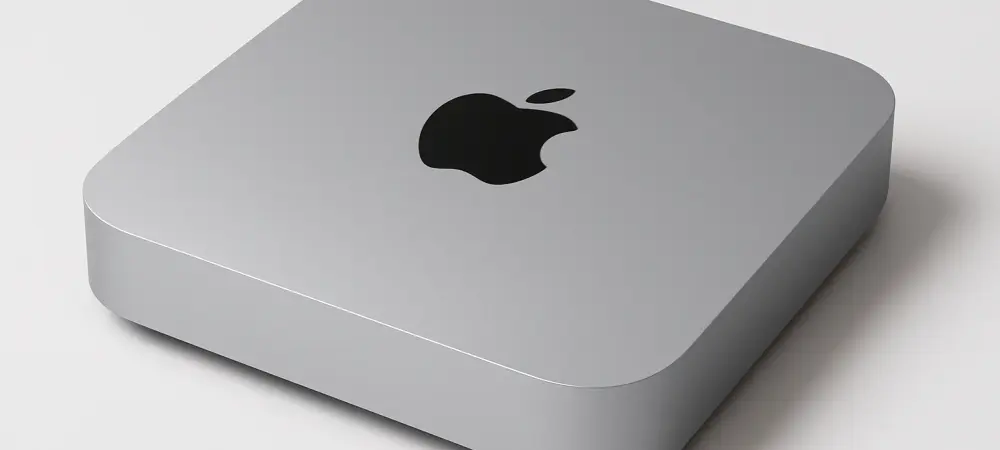
Apple’s strategic choice to revamp the Mac Mini with the release of the 2024 model seems poised to significantly shift consumers’ perspectives. This move, highlighted by an attractive Amazon Prime Day offer, merges cutting-edge performance with affordability, offering the latest technologies for under $500. Equipped with the state-of-the-art 10-core M4 CPU and a 10-core GPU, the Mac Mini delivers exceptional performance capabilities, catering adeptly to creative tasks and demanding applications. This financial accessibility to Apple’s high-performance machines is a step toward democratizing advanced technology. Markedly, the new Mac Mini boasts speeds up to 13 times faster than its Intel-powered predecessors, proving an advantageous prospect for users seeking efficiency without the premium pricing typically associated with Apple products.
Advanced Features and Environmental Initiatives
One of the compelling facets of the 2024 Mac Mini is its design evolution, skillfully combining compactness with sophisticated technology. This iteration takes up less than half the space of earlier models, offering consumers a streamlined and organized workspace solution, promoting versatility and ease of integration with other portable devices. Its compact form does not compromise on connectivity; the model is equipped with an array of ports, including USB-C, Thunderbolt, and HDMI. This robust connectivity ensures an efficient dual-display setup, catering to the needs of professionals who demand seamless multitasking capabilities. Additionally, Apple’s commendable step towards sustainability is evident in the Mac Mini being their first carbon-neutral product. This initiative resonates with environmentally conscious consumers, aligning Apple’s iconic reputation for innovation with current environmental imperatives.
The transition from Intel processors to Apple’s proprietary M4 chips illustrates a significant pivot towards enhancing both performance and sustainability. This shift not only improves the user experience through faster processing and better graphics performance, but it also demonstrates Apple’s long-term commitment to reducing carbon footprints within the tech industry. It establishes a renewed benchmark, prompting industry peers to reevaluate their own environmental commitments while striving to meet consumer demands for powerful technology solutions that do not compromise on ecological considerations.
Benchmarking Performance and Future Insights
The Mac Mini, nestled within Apple’s broader strategy, exemplifies the brand’s relentless pursuit of performance excellence combined with aesthetic finesse. The integration of the M4 CPU marks a pivotal moment in Apple’s journey away from Intel-based architectures, positioning the 2024 Mac Mini as a flagship model redefining expectations for performance in compact desktops. Market analysts observe that such strategic releases will likely steer competition, compelling other tech giants to innovate similarly within the sustainable technology arena. The deal offered on this model underscores a significant trend in consumer electronics, where affordability meets premium quality, thus allowing a broader audience to experience cutting-edge Apple technology.
By expanding accessibility, Apple not only opens doors to potential new markets but also fosters increased consumer loyalty among existing users looking to upgrade from outdated systems. The affordability of the 2024 Mac Mini positions it as both a strategic purchase and a long-term investment in performance and sustainability. It caters to a savvy audience seeking seamless solutions that bridge professional needs with modern environmental consciousness. Ultimately, this blend of power, price, and environmental awareness may well establish new standards and expectations for future tech offerings in the dynamic landscape of personal computing.
A Strategic Shift in Technology Offers
The 2024 Mac Mini exhibits a notable evolution in design, expertly merging compactness with advanced technology. This version occupies less than half the space compared to previous iterations, presenting a sleek solution for organized workspaces and enhancing flexibility in integrating with other portable devices. Despite its smaller size, connectivity isn’t sacrificed; equipped with USB-C, Thunderbolt, and HDMI ports, it supports efficient dual-display setups, catering to professionals who require effective multitasking. Apple’s commitment to sustainability shines through with the Mac Mini being their first carbon-neutral product. This aligns with environmentally conscious consumers while maintaining Apple’s reputation for innovation amidst growing ecological awareness.
Transitioning from Intel processors to Apple’s M4 chips marks a pivotal move, boosting performance and sustainability. Users benefit from faster processing and enhanced graphics, highlighting Apple’s dedication to reducing carbon footprints in the tech world. This shift sets a new standard, encouraging industry counterparts to reassess their environmental strategies without compromising powerful technological offerings.