

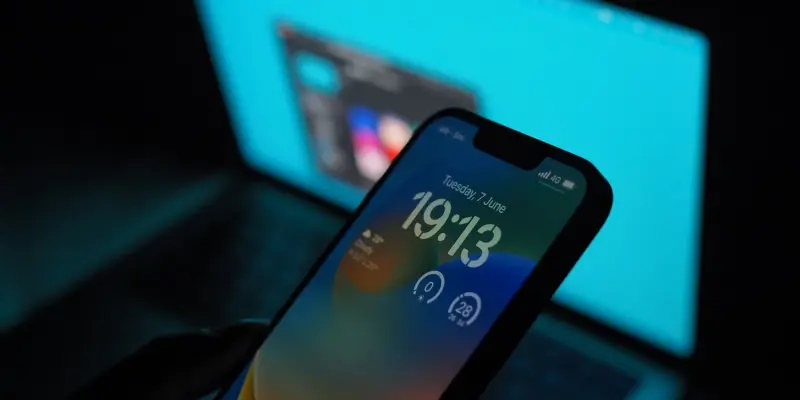
In its latest technological advancement, Apple has introduced iOS 19, a groundbreaking update that promises to redefine user convenience across its extensive product ecosystem. At the heart of this update is an innovative approach to Wi-Fi syncing, a feature set to transform how users connect their Apple devices to public networks, such as those at cafes, airports, and other public venues. This development is part of Apple’s ongoing commitment to a seamless and unified user experience, allowing users to enjoy greater efficiency and connectivity in everyday tasks. By enabling Wi-Fi credentials to sync across devices, Apple greatly simplifies the process of connecting to network environments, reducing the frustration of filling out forms multiple times on various devices. This new capability is poised to become a cornerstone of user convenience, addressing common challenges faced by Apple users who frequently connect to different Wi-Fi networks.
Wi-Fi Syncing Innovation
Apple’s reputation for enhancing user experience is reinforced with iOS 19 through the introduction of a sophisticated Wi-Fi syncing system across all Apple devices. Previously, connecting each device to a new public Wi-Fi required filling out individual web forms, but the updated system eliminates this redundancy by allowing Wi-Fi credentials entered on one device to be shared across others. This advancement not only saves time but reduces the hassle associated with accessing public Wi-Fi networks. Frequent travelers and individuals using Wi-Fi in various public settings are expected to benefit significantly, as they can enjoy uninterrupted connectivity without repeatedly inputting credentials. The development showcases Apple’s focus on integrating technology to alleviate everyday challenges, particularly those involving connectivity.
User Experience Enhancements
For users who consistently rely on secure and quick access to public Wi-Fi, the Wi-Fi syncing innovation in iOS 19 marks a significant milestone toward improved user experience. By eliminating repetitive logins, Apple caters to the needs of users who require seamless connectivity in diverse environments, such as hotels, corporate offices, and fitness centers. Access to Wi-Fi becomes almost instantaneous, reducing barriers to connectivity and allowing more time for productivity and leisure activities. This initiative underlines Apple’s commitment to meeting user demands for simplicity and convenience, aligning with broader industry trends toward integrated technological solutions. The synchronization of Wi-Fi credentials across devices is just one aspect of how iOS 19 enhances overall user experiences, presenting a compelling case for an upgrade that prioritizes user-centric design principles.
Additional Features and Design
Complementing the innovative Wi-Fi syncing, iOS 19 introduces several additional features and design refinements that elevate both aesthetics and functional capabilities. Apple has incorporated a new design language, highlighted by “glassy” UI effects comparable to its cutting-edge Vision Pro aesthetics. These enhancements create a visually immersive experience, resonating with Apple’s trademark of combining elegant design with intuitive usability. Furthermore, iOS 19 is expected to bolster existing apps with enhanced Apple Intelligence, facilitating greater customization and adaptability according to user preferences. Productivity-shaping updates on the iPad aim to align its operating system more closely with Mac’s capabilities, further blurring lines between device ecosystems and fostering greater uniformity. By integrating such comprehensive upgrades, Apple strengthens its holistic approach to technology that empowers users with versatile tools for creative and professional pursuits.
Apple’s Strategic Approaches
Apple’s strategic vision underpinning iOS 19 is driven by a commitment to fulfilling user expectations while expanding its technological repertoire. At the core of this strategy is a drive towards seamless interconnectivity across devices, optimizing user interaction through coherent design and powerful functionality. Apple not only attends to the immediate needs of its loyal users but also manages to intrigue potential customers with advancements that focus on user-friendly interfaces and streamlined experiences. The cohesive synchronization offered by Wi-Fi features epitomizes Apple’s pursuit of streamlined solutions aligned with user habits. Additionally, these enhancements resonate well within the industry, reflecting an acute awareness of evolving consumer behaviors and technological standards. This foresight contributes to maintaining Apple’s position as a leader in pioneering innovations, whose potential unraveling inspires confidence and curiosity alike.
Competition and Innovation
The fierce competition among top tech companies such as Apple and Samsung propels an era of heightened innovation, with each player examining technological boundaries and enhancing product offerings continuously. Apple’s dedication to advancement incentivizes competitors to innovate rapidly to meet or exceed industry expectations, fostering a dynamic environment. Anticipation surrounding Samsung’s foldable display technology prompts conjecture about how Apple might respond to emerging trends and integrate similar developments into future iterations of the iPhone. Amidst this thriving milieu, Apple’s consistent output of quality products and system improvements serves to maintain their competitive edge. Apple showcases technological ingenuity through iterative refinement and rapid adaptation that earns enduring customer loyalty, propelling collective progress across the tech industry. This ongoing pursuit of excellence drives a cycle of reciprocal innovation that constantly challenges companies to push limits and redefine standards.
Research and Development Endeavors
Beyond iOS 19, Apple’s research and development initiatives emphasize a comprehensive approach to evolving hardware and software solutions. In addition to mobile advancements, efforts to develop efficient chips for Mac models and AI server systems underscore Apple’s focus on bridging technology across platforms, elevating their synergy. Interwoven into these endeavors are pursuits in AI search functionalities for their Safari browser, which promise to augment Apple’s competitive footing within the realm of digital search by delivering smarter online interactions. Such concentrated efforts in diverse technological spheres reflect Apple’s aspiration to enrich user experiences through powerful, interconnected solutions. Battle-tested against global trends and customer feedback, these advances signify an unwavering commitment to innovation and adaptability, positioning Apple at the forefront of progress. As various components converge into a unified ecosystem, Apple’s long-term vision is poised to unlock transformative experiences that resonate well with tech-savvy individuals.
Broader Enhancements
The intense rivalry between leading tech giants like Apple and Samsung drives a period of significant innovation, with each company constantly exploring the limits of technology and refining their product offerings. Apple’s commitment to pushing boundaries encourages competitors to innovate swiftly, aiming to meet or surpass industry standards. This fosters a vibrant environment of technological advancement. Speculation surrounds Samsung’s foldable display technology, leading to curiosity about Apple’s response and potential integration of similar features in future iPhone models. Within this bustling scene, Apple’s steady production of high-quality products and system enhancements helps them retain a competitive advantage. Apple’s technological creativity is evident in their ongoing improvements and quick adaptation, which secure lasting customer loyalty and propel progress across the tech sector. This relentless quest for excellence fuels a cycle of mutual innovation, constantly pushing companies to stretch limits and redefine what is possible.