

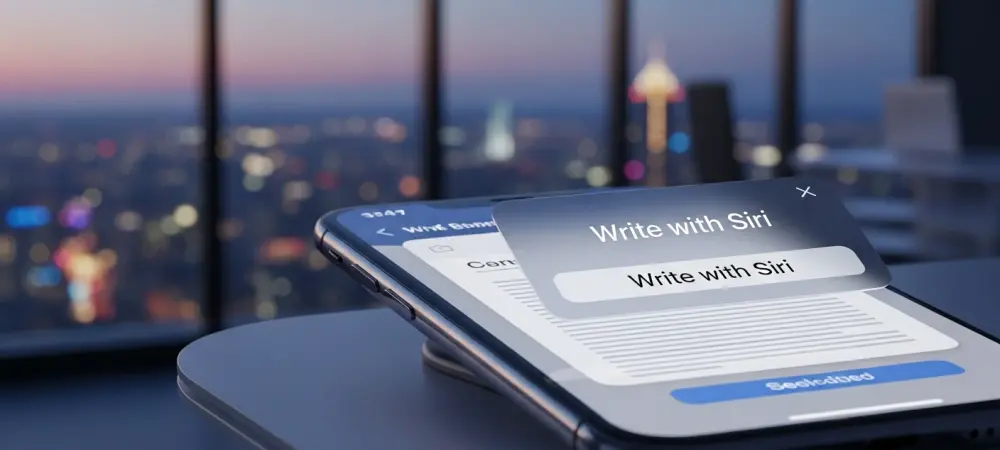
The familiar glowing orb at the bottom of the iPhone is undergoing its most radical transformation since the debut of the digital assistant over a decade ago. Apple is preparing to unveil a standalone Siri application designed to move beyond simple voice triggers and enter the high-stakes arena of generative artificial intelligence. This shift marks a definitive departure from the reactive, command-based utility users have known, replacing it with a sophisticated conversational hub that prioritizes reasoning and deep system integration.
The End of the “Hey Siri” Era as We Know It
While Siri was once the pioneering voice in mobile assistance, it has spent years trailing behind the sophisticated generative capabilities of modern large language models. The looming question for millions of iPhone users has not been if Apple would catch up, but when it would finally move beyond basic voice commands to offer a true conversational powerhouse. By introducing a dedicated interface, the company is fundamentally redesigning how users interact with their devices, moving away from a transient overlay toward a permanent AI destination.
This evolution signifies that the era of the “voice-only” assistant is effectively over. Instead of a momentary interruption, the new Siri functions as a comprehensive productivity layer that understands context across various tasks. This change reflects a broader industry trend where intelligence is measured by the ability to sustain a dialogue rather than just setting timers or checking the weather.
Why Apple Is Pivoting to a Conversational Interface Now
The meteoric rise of platforms like ChatGPT, Gemini, and Claude has shifted user expectations from simple task execution to complex information processing. In the current tech landscape, a voice assistant feels like a relic when competitors can write code, summarize legal documents, and engage in nuanced dialogue. This strategic pivot, set to take center stage at the Worldwide Developers Conference on June 8, represents a necessary response to a market where “intelligence” is now defined by generative reasoning.
Apple recognizes that maintaining a competitive edge requires a platform that can handle the cognitive load of modern digital life. By transitioning to a chatbot model, the company ensures it remains the primary interface for its users. This move prevents third-party AI services from becoming the default gateway for search and creation, keeping the Apple ecosystem unified and secure.
From Voice Assistant to Multi-Modal Chatbot: Core Features
The transformation of Siri involves a complete overhaul of its user experience, moving toward a persistent, threaded environment. This new architecture allows for a more organized and intuitive interaction model, drawing heavy inspiration from the layout of Apple Messages. Users can now toggle between typing and speaking depending on their environment, ensuring that the assistant is useful in a quiet office or a loud subway station.
- The Threaded Chat Ecosystem: The interface features text input fields and chat bubbles, creating a visual history of interactions.
- Searchable Interaction History: Users can browse past conversations in list or grid formats, ensuring no valuable information is lost.
- Advanced Content Analysis: The app is capable of summarizing long-form articles and conducting visually-driven web searches.
- Contextual Suggested Prompts: Proactive suggestions help users initiate and refine complex tasks without needing to master prompt engineering.
Expert Insights on the Strategic Impact of “Write with Siri”
Industry analysts suggest that the strategy focuses on deep system integration rather than just a standalone app. By embedding “Write with Siri” directly into the iOS keyboard, Apple provides a native alternative to third-party writing tools. This ensures privacy and ease of use, as the AI has direct access to the user’s intent without the data ever needing to leave the secure environment of the operating system. Tech experts see this as a calculated attempt to reclaim the “Spotlight” real estate. By positioning Siri as the primary gateway for all searches and productivity tasks, Apple is effectively sidelining traditional search methods. This move leverages the company’s hardware advantage, making the AI feel like a natural extension of the phone rather than a separate service.
Transitioning Your Workflow to the New Siri Ecosystem
As these features roll out, users should expect a significant shift in their daily digital habits. Preparing for this transition involves understanding how Siri bridges the gap between simple queries and complex workflows. Users began leveraging the enhanced “Ask Siri” function to perform actions within non-Apple apps, allowing the assistant to understand the context of whatever was currently on the screen.
The text-first communication style allowed for more private and detailed queries in public spaces. Many found that using the new analysis tools to parse through PDFs and images turned the assistant into a high-speed research companion. By integrating these prompts into email and messaging routines, users successfully streamlined their composition processes, ultimately making the iPhone a far more capable tool for professional and personal growth.