

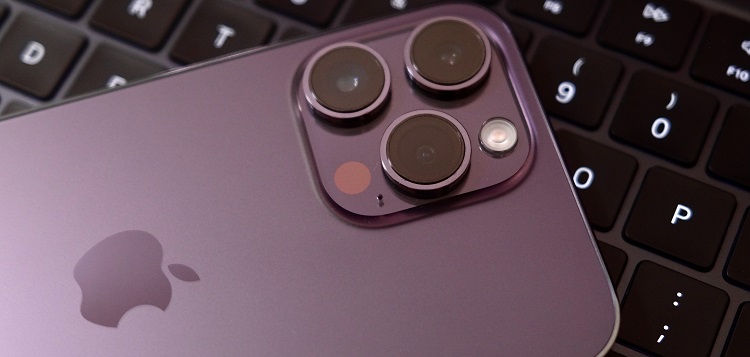
The upcoming iPhone 15 series from Apple is anticipated to be a major upgrade from its predecessors. With the latest technology, features, and design, Apple is set to revolutionize the mobile world. The Pro versions of the iPhone 15 series are expected to be equipped with Apple’s A17 Bionic chipset and 8GB of RAM, up from 6GB on the previous model. This is sure to provide an impressive performance boost and make the device faster and more efficient than ever before.
In addition to upgraded hardware, Apple may be distinguishing its base and Pro models even further. Reports suggest that the Pro range may come with solid-state volume and power buttons. This will not only provide a more tactile feel when interacting with the device, but could also improve its durability and reliability.
The iPhone 15 Pro Max may also possess a periscope-style telephoto lens for 6x optical zoom capability. This would allow users to capture far away objects in stunning detail and clarity. Furthermore, Apple may switch all iPhones to USB-C instead of just those sold in the EU, providing more compatibility with other devices and making it easier to transfer data between them.
Finally, reports suggest that the iPhone 15 series may maintain a similar aesthetic, with the exception of the Dynamic Island cutout seen in the iPhone 14 Pro being extended to all models. This would give users a more uniform look across their entire device range and make it easier to identify which model they are using. Aesthetic changes may include new color options such as yellow or green, giving users more options for personalizing their device.
Overall, the iPhone 15 series looks like it will be a major upgrade for those loyal to Apple’s mobile devices. With improved hardware, features, and design options, this could be one of Apple’s most successful releases yet.
The A17 Bionic chipset found in the Pro versions of the iPhone 15 series provides an improved performance boost over its predecessor. This chipset is expected to feature a six-core CPU design with four high-performance cores and two energy-efficient cores. This will enable the device to handle more intensive tasks while still being energy efficient. The 8GB of RAM found in these devices is also a major improvement over the 6GB found in the previous model, allowing users to multitask more efficiently and quickly switch between tasks.
The Pro range may also come with solid-state volume and power buttons instead of traditional physical buttons. This will offer a more tactile feel when interacting with the device, as well as improved durability and reliability due to its lack of moving parts. Furthermore, the Pro Max may come with a periscope-style telephoto lens for 6x optical zoom capability. This will enable users to capture far away objects in stunning detail and clarity.
Apple may also switch all iPhones to USB-C instead of just those sold in the EU. This will provide more compatibility with other devices and make it easier to transfer data between them. Finally, reports suggest that the iPhone 15 range may maintain a similar aesthetic, with the exception of the Dynamic Island cutout being extended to all models. This would give users a more uniform look across their entire device range and make it easier to identify which model they are using.
In conclusion, it looks like Apple is set to make some major changes with the release of the iPhone 15 series. With improved hardware, features, and design options, this could be one of their most successful releases yet. Users can look forward to a faster device with better performance and efficiency, as well as improved durability and reliability thanks to solid-state buttons and USB-C compatibility. Furthermore, aesthetic changes such as color options could give users even more options for personalizing their device. All in all, the iPhone 15 series is sure to make waves in the mobile world when it finally releases.