

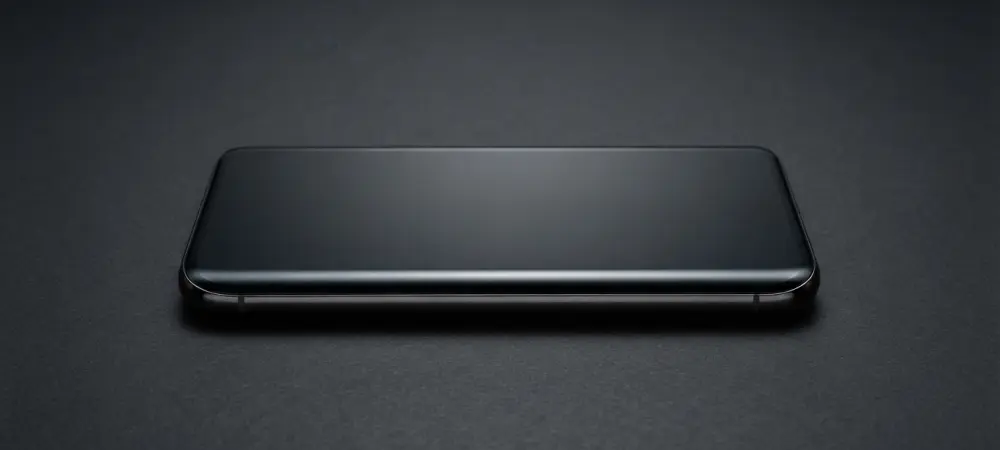
Internal leaked specifications suggest that the iPhone 20 Pro will serve as the definitive successor to the design language established by the original iPhone X. This upcoming flagship, often dubbed the iPhone XX to commemorate twenty years of innovation, signifies a departure from the iterative updates seen in the middle of this decade toward a truly radical all-glass aesthetic. The development cycle, spanning from 2026 through the anticipated launch in late 2027, focuses on perfecting a quad-curved glass chassis that aims to eliminate the traditional boundaries between the display and the frame. The vision for this device is a monolithic structure where information flows across all surfaces without the interruption of metallic bands or visible seams. While flat-screen prototypes remain in testing as a safety measure, the primary focus is a device that offers a nearly bezel-less experience. Industry insiders suggest that this anniversary model will set the design trajectory for the next ten years, much like its predecessor did during the shift toward edge-to-edge displays.
The Evolution of Industrial Form and Function
Mastering the Quad-Curved Visual Experience
The pursuit of a quad-curved glass front and back involves manufacturing challenges that require precision at the micron level to ensure structural integrity. This design philosophy centers on the idea of invisible borders, where the 1-millimeter bezels are effectively hidden by the gentle curvature of the glass itself. Unlike previous attempts at curved edges that often suffered from accidental touch inputs, the iPhone 20 Pro utilizes advanced palm-rejection algorithms refined throughout 2026 and 2027 to provide a seamless user interface. The transition to this all-glass exterior is not merely aesthetic but represents a functional evolution in how light and color interact with the device’s edges. By wrapping the display slightly around the sides, the device achieves a three-dimensional depth that makes the digital interface appear as though it is floating in mid-air. This sophisticated construction requires a premium metal sub-frame for internal support, which remains hidden beneath the glass layers to maintain the intended aesthetic purity.
Integrating Responsive Solid-State Hardware
To complement the radical glass exterior, mechanical buttons have been entirely replaced with solid-state alternatives that provide haptic feedback via localized vibration motors. This change eliminates mechanical points of failure and allows for a completely sealed chassis, significantly improving water and dust resistance to levels previously deemed unattainable for consumer electronics. Furthermore, the Dynamic Island has undergone a miniaturization process, shrinking to its smallest footprint yet as a precursor to eventual under-display integration. Although the technology for under-display cameras has advanced rapidly between 2024 and 2026, the company maintains a rigorous standard for optical clarity that currently necessitates the presence of a small cutout for Face ID and the selfie camera. These components are now housed in a module that is thirty percent smaller than those found on current models, ensuring that the screen-to-body ratio remains at the top of the industry. The result is a device that feels like a singular piece of glass, reacting to the user’s touch with precise tactile sensations.
Breakthroughs in Processing and Imaging Performance
Elevating Photography with Custom Optical Sensors
The upcoming anniversary release is expected to debut a primary camera system built around a 200-megapixel sensor, marking a significant milestone as the first completely in-house-designed optical component. This sensor leverages Lateral Overflow Integration Capacitor (LOFIC) technology to address the challenges of high-contrast environments and dynamic range. By using LOFIC, the device can capture an immense amount of light data without blowing out highlights, a common issue in mobile photography when shooting in bright sunlight or against high-backlight scenes. This hardware shift is accompanied by a transition to larger physical dimensions, with the Pro model expanding to a 6.4-inch OLED display and the Pro Max version reaching a massive 7-inch panel. These larger footprints provide the necessary internal space to house the complex multi-lens arrays and the larger sensor size required for professional-grade imaging. The increased surface area also aids in heat dissipation during the heavy computational processing required for 8K video capture and real-time spatial editing.
Harnessing the Power of Next-Generation Silicon
At the heart of the new flagship lies the A21 Pro chip, which is manufactured using a cutting-edge 2nm architecture that prioritizes both raw power and extreme energy efficiency. This processor represents a leap in transistor density, allowing for more complex artificial intelligence tasks to be performed on-device without relying on cloud-based computation. To support this increased performance, the device will likely incorporate silicon-anode battery technology, which offers a higher energy density compared to traditional lithium-ion alternatives. This ensures that even with the larger, high-brightness displays, the iPhone 20 Pro can maintain a multi-day battery life under standard usage conditions. The integration of 2nm silicon and advanced battery chemistry reflects a strategic move to future-proof the hardware for the demands of the late 2020s, including augmented reality applications and high-fidelity mobile gaming. This combination of processing efficiency and power longevity establishes a new benchmark for what professional-grade mobile hardware can achieve in a compact form factor.
Strategic Integration and Future Readiness
Implementing Global Distribution and Support Standards
The move toward an all-glass architecture required a fundamental shift in global distribution logistics and repair infrastructure to accommodate the unique physical properties of the device. Supply chain partners across the globe coordinated from 2026 to 2028 to implement new handling procedures that minimized the risk of glass stress during transit. Furthermore, specialized diagnostic tools were developed to allow service centers to calibrate the quad-curved displays with the same level of precision found on the assembly line. This proactive approach to support ensured that the transition to a more fragile yet premium material did not result in a degraded ownership experience. By establishing these standards early, the industry created a roadmap for other manufacturers who sought to adopt similar aesthetic styles in their own product lines. This coordination emphasized the importance of a holistic ecosystem where hardware innovation was matched by a robust and capable support network, allowing the market to sustain the introduction of such a radical redesign without logistical disruptions.
Adapting to a New Era of Mobile Design
The movement toward an all-glass monolithic design necessitated a comprehensive update to the ecosystem of accessories and support services available to global consumers. Stakeholders throughout the mobile industry observed that the introduction of quad-curved surfaces required new manufacturing techniques for protective cases and tempered screen protectors that did not interfere with the touch sensitivity of the edges. Retailers and service providers were tasked with updating their repair protocols to accommodate the complex glass-on-glass construction, ensuring that the structural integrity remained intact during hardware servicing. By prioritizing these logistical shifts, the market prepared for a future where physical buttons and metallic frames became relics of a previous design era. This transition underscored the importance of integrating aesthetic vision with practical maintenance solutions, allowing users to embrace radical innovation with the confidence that their devices remained durable and supported. This release solidified the trend toward minimalist hardware, paving the way for the next phase of invisible technology.