

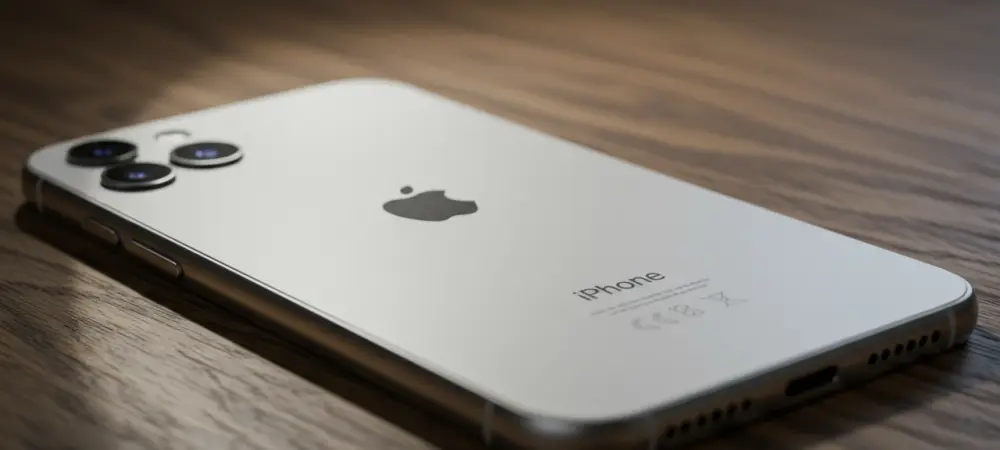
In today’s discussion, we delve into the next frontier of smartphone technology with Dominic Jainy, an IT professional known for his deep expertise in artificial intelligence, machine learning, and blockchain. With an eye on Apple’s burgeoning developments, Dominic provides insights into the anticipated upgrades to the iPhone 17 Pro line, particularly the shift toward vapor chamber cooling systems.
What inspired Apple to consider using a vapor chamber cooling system for the iPhone 17 Pro models?
Apple is often at the forefront of technological evolution, and their inspiration was likely driven by the need for better thermal management as they push hardware capabilities. The upcoming A19 Pro chip is expected to generate more heat due to more demanding applications and workloads, and a vapor chamber cooling system promises a more effective heat dissipation approach compared to methods used in previous models.
How does the vapor chamber cooling system differ from the graphite sheets previously used by Apple?
Graphite sheets have been a staple in smartphones for efficiently spreading heat, but they have physical limits in how much heat they can dissipate quickly. Vapor chambers, on the other hand, leverage the principles of phase transition—evaporating and condensing liquids—to move heat away swiftly, covering a larger surface area and managing higher thermal loads more effectively.
Can you explain how a vapor chamber cooling system works in an iPhone?
Absolutely. The system contains a small amount of liquid encased within a sealed chamber. As the iPhone heats up, this liquid evaporates and spreads heat throughout the chamber, lowering the temperature in the hot area. This vapor then condenses back into liquid as it moves to a cooler zone, a process that continually recycles within the device to maintain optimal temperature balance.
Are there any Android smartphones currently using vapor chamber technology, and how have they benefited from it?
Indeed, several high-end Android smartphones have adopted vapor chamber cooling systems to manage heat more efficiently. Brands like Samsung and Xiaomi have integrated this technology, noting reduced thermal throttling, which allows their devices to maintain peak performance over extended periods without overheating.
What challenges or considerations might Apple face when integrating the vapor chamber system?
Apple will have to address potential compatibility issues with the iPhone’s overall design, ensuring the vapor chamber doesn’t interfere with other components or the aesthetics. Additionally, they need to consider production costs and the durability of the vapor chamber, as these systems can be more susceptible to damage compared to traditional graphite sheets.
How is the new cooling system expected to improve the thermal efficiency of the iPhone 17 Pro models?
With the vapor chamber’s ability to handle more heat faster, users can anticipate a significant decrease in thermal throttling. This means the phone can run intensive apps smoother, maintain speed without lag, and ultimately improve user experience during extended sessions of high-performance tasks.
Why is the A19 Pro chip expected to generate substantial heat, and how will the vapor chamber help manage it?
Enhanced AI and graphics capabilities are likely pushing the A19 Pro chip’s processing power to new levels, naturally generating more heat. The vapor chamber’s efficient heat transfer will enable the chip to maintain high performance by dispersing heat, mitigating the risks of overheating and thereby preserving the device’s longevity.
How might the switch to aluminum for the iPhone 17 Pro chassis affect the phone’s weight and thermal management?
Aluminum’s heat conductivity is beneficial for thermal management, possibly offering better passive heat distribution. It’s also lighter than the titanium previously used, which could help reduce the phone’s overall weight and make it more comfortable to hold, enhancing the ergonomic design without sacrificing thermodynamic efficiency.
Will the standard iPhone 17 and iPhone 17 Air models also incorporate the new cooling system, or is it exclusive to the Pro models?
Current indications suggest that the vapor chamber technology will be exclusive to the iPhone 17 Pro models. The standard models are expected to rely on existing heat dissipation methods, focusing more on incremental enhancements rather than ground-breaking changes like those seen in the Pro variants.
What improvements in performance and energy efficiency can users expect from the iPhone 17 Pro models with this cooling system?
Users might see better performance from their devices, with sustained speeds during demanding tasks and overall improved system efficiency. The optimized thermal management should also contribute to better power consumption, potentially extending battery life between charges.
How could the metallic frame contribute to passive heat dissipation in the iPhone 17 Pro?
The metallic frame, through its conductive properties, could act as an additional channel for heat dispersal, working in tandem with the vapor chamber to further stabilize the device’s temperature. This dual-system approach should amplify the efficiency of the cooling process while maintaining device durability.
Given the changes in materials and cooling technology, are there any anticipated impacts on the production cost for the iPhone 17 Pro?
Integrating advanced cooling technology and switching to different materials such as aluminum could increase production costs. However, Apple’s scale and supply chain efficiencies might mitigate how much of these costs are ultimately passed on to consumers.
Was there any specific feedback or data from past iPhone models that led Apple to innovate its cooling system?
Feedback might have pinpointed bottlenecks in performance during high-intensity usage, leading Apple to explore alternatives that could help sustain their devices’ power without compromising on reliability or efficiency. This feedback loop is vital in aligning product iterations with evolving user expectations and technological standards.
Are there concerns about the durability or serviceability of the iPhone 17 Pro with the new cooling system?
Vapor chambers are inherently delicate, which could raise concerns about their resilience to drops or impacts, potentially complicating repairs. Apple will need to ensure this component’s durability aligns with their standard service frameworks, balancing innovation with robustness.
How does Apple plan to ensure the new cooling technology does not compromise the phone’s design and aesthetics?
Apple’s design ethos likely prioritizes harmony between functionality and aesthetics. By integrating the vapor chamber ingeniously within the existing layout, Apple would aim to maintain its sleek design standards while housing this technology. Close attention to material selection and design integration will be crucial to retain the iconic iPhone silhouette.
What is your forecast for the evolution of smartphone cooling technologies in the next few years?
I foresee a shift towards more innovative and miniaturized cooling techniques as devices continue to grow in complexity and power. Hybrid systems combining passive and active cooling strategies, possibly even incorporating elements of AI to dynamically manage thermal conditions, could become more prevalent, ensuring devices remain efficient and durable in increasingly demanding tech ecosystems.